
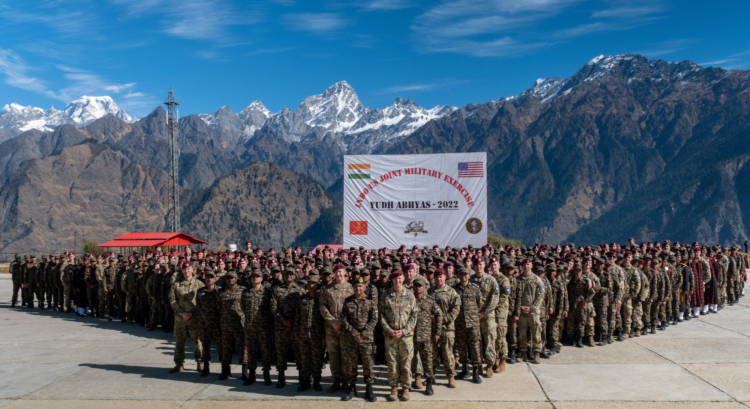
Familiarity with the mountain region is another key skill to consider. Knowing the ins and outs of the mountainous topography is a significant skill that can outsmart even the most equipped forces. Moreover, understanding the frequency and intensity of the weather condition in the area can also make or break military operations.
Having “extreme physical fitness, mental toughness, endurance, and the utmost tactical and technical proficiency” is especially a must-have for mountain combat troops. Furthermore, adaptability also gives a soldier an edge to dominate offensive, defensive, and stability operations in the mountain terrain.
Based on the US Army’s guide for mountain operations, it recognized the unique set of characteristic high-altitude mission demands, including:
- Close fights with dismounted Infantry. Since motorized vehicles may have difficulty traversing the rugged terrain, troops usually must go on foot. Moreover, long-range battles may also be a challenge, thus, have limitations, often forcing soldiers to engage with enemies up close;
- Decentralized small-unit operations. Transportation of supplies is frequently difficult, especially as altitude increases, and with ground-based vehicles not recurrently maneuvering over rugged and restrictive terrain. More often than not, supplies would ideally be dropped by choppers or carried by dismounted squads or platoons or sometimes with the aid of animals (e.g., horses, mules). Hence, compartmentalization would be a practical approach, particularly for long-period missions;
- Restricted mobility. As mentioned, traversing the mountain environment would be difficult because it would restrict mobility as altitude increased, switching from narrow roads to on-foot trails to steep, rocky terrain to uneven terrain—demanding a lot of energy and time, as well as familiarity. Another factor to consider is the risk of being ambushed and cornered by lurking enemies, which necessitates careful planning and low-key execution;
- Unique sustainment solutions. Resupplying mountain command posts can be challenging and time-consuming, thus needing unique sustainment solutions such as transporting goods less on ground vehicles and more on air, and some with mountainous terrain animals. Identifying the different complicated weather of the area is also important to note to ensure the health and hygiene of soldiers better; lastly,
- Scattered, thinly populated areas. Yes. Civilian villages populate even up in the tallest, most isolated mountains and are usually dispersed around.
These are just some factors that need to be considered for mountain combat operations, emphasizing learning the harsh terrain and adapting to extreme weather conditions, as well as learning basic survival skills at high altitudes, which Indian troops have been performing well over the recent years.
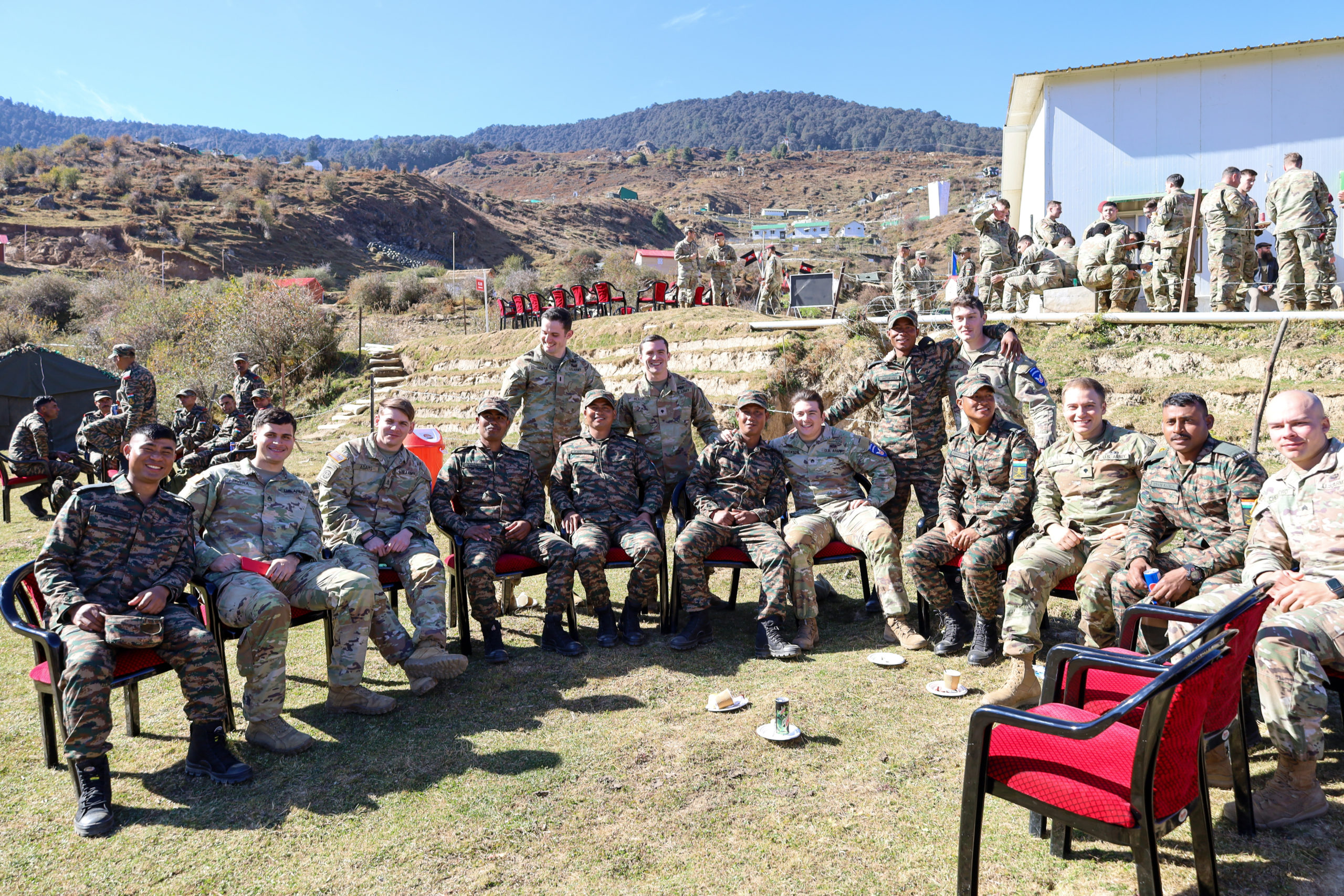
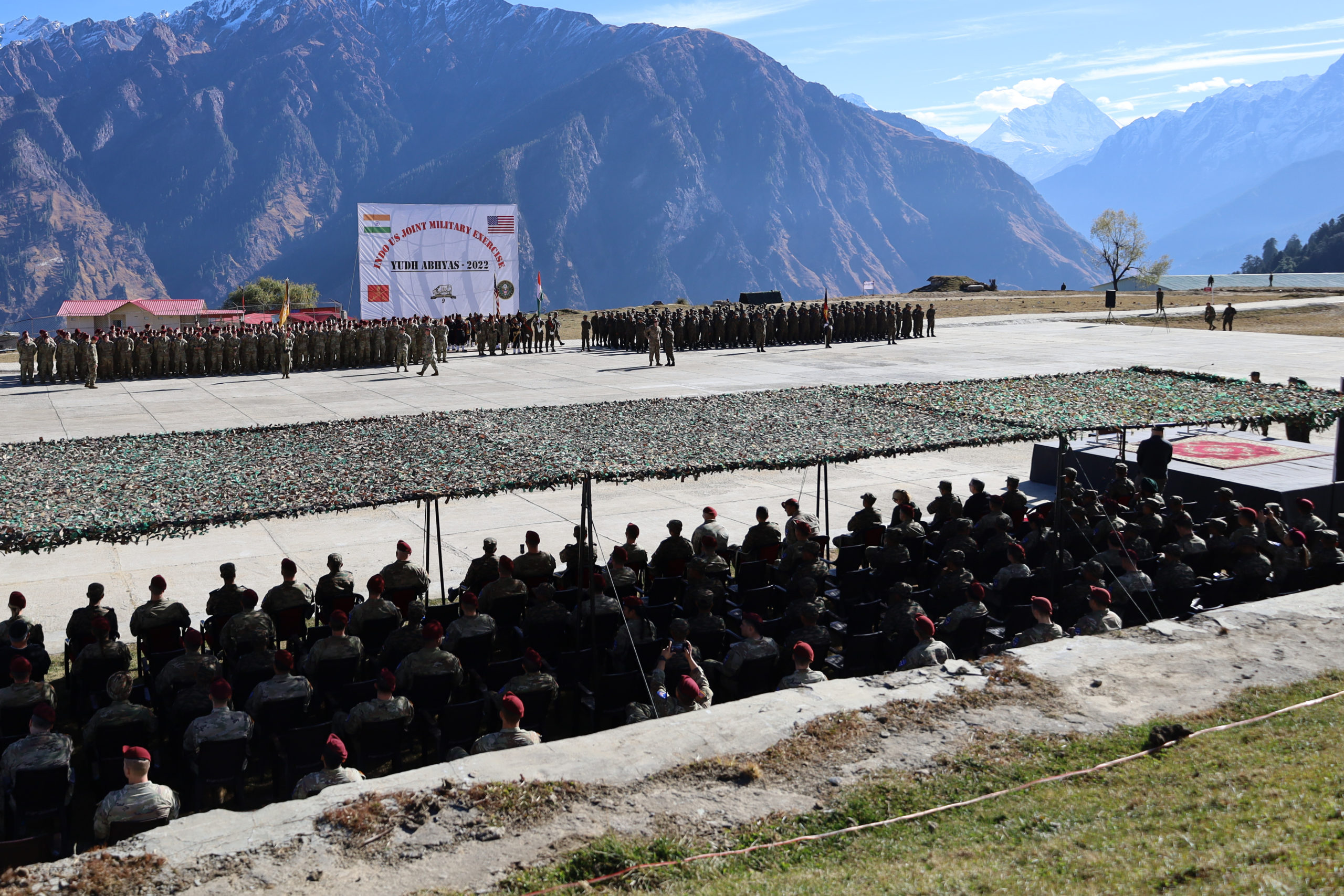
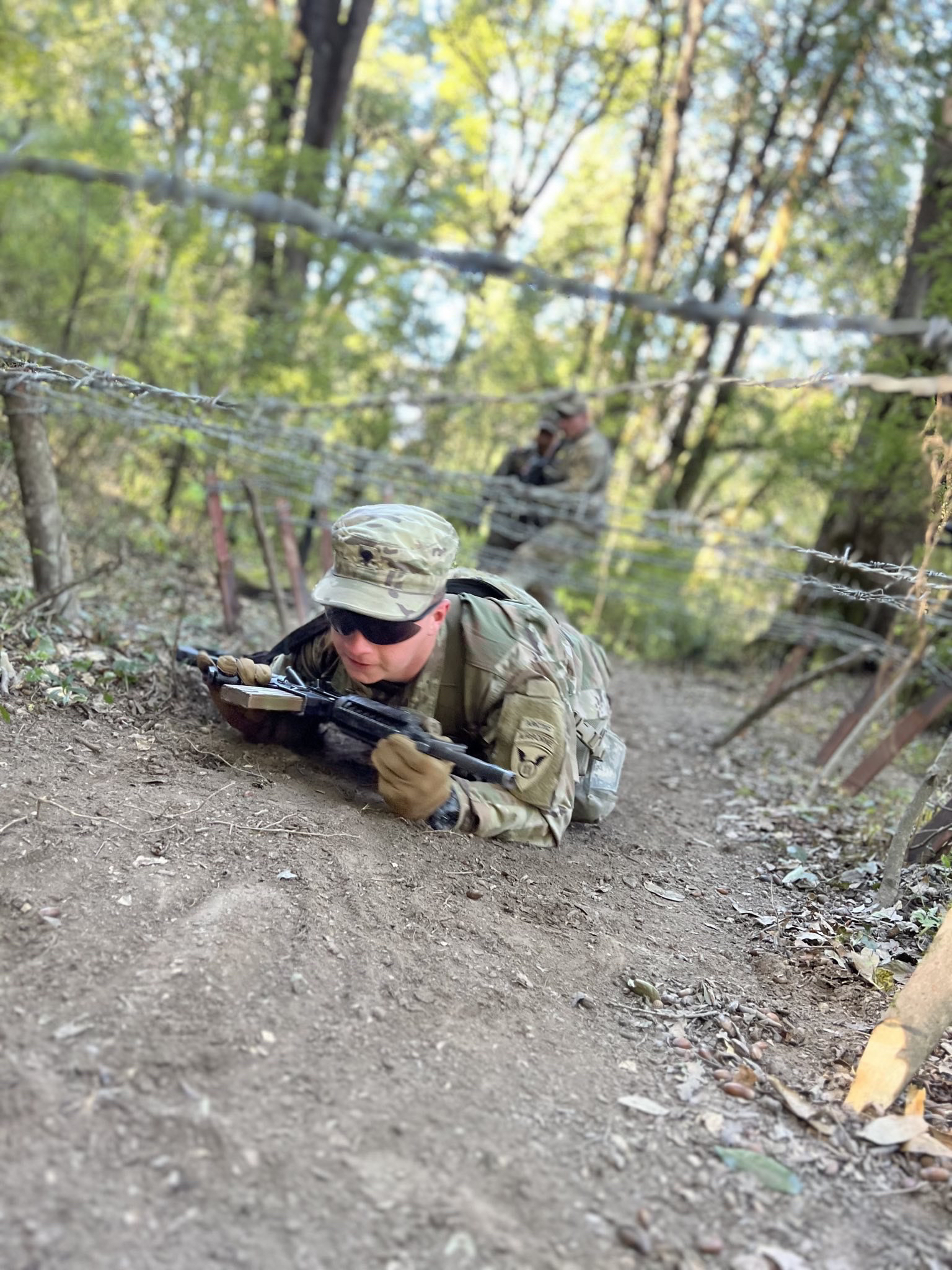
Through Yudh Abhyas, this also strengthens India-US defense ties in the midst of escalating tensions in Asia—something China is keeping a close eye on.








COMMENTS