

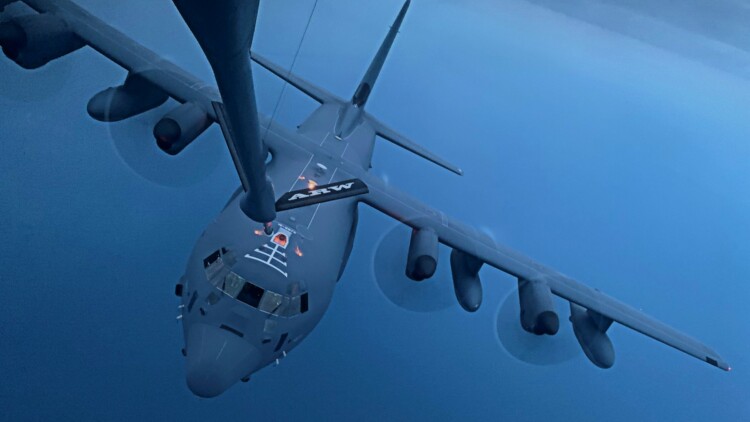
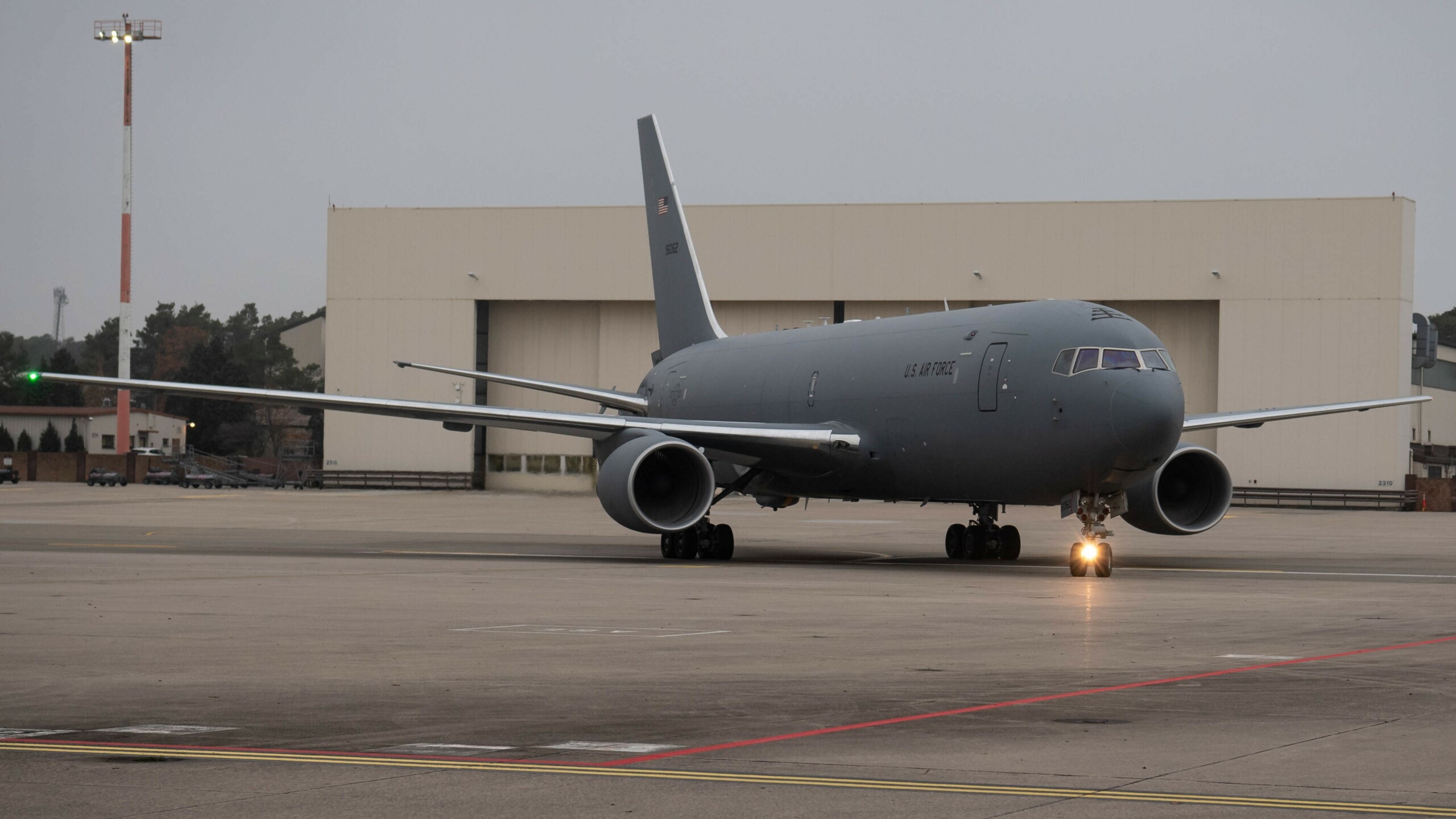
It welcomes proposals for both entirely new engine designs and modifications to existing ones. This approach allows established engine manufacturers to leverage their expertise while also encouraging participation from new players with potentially disruptive technologies.
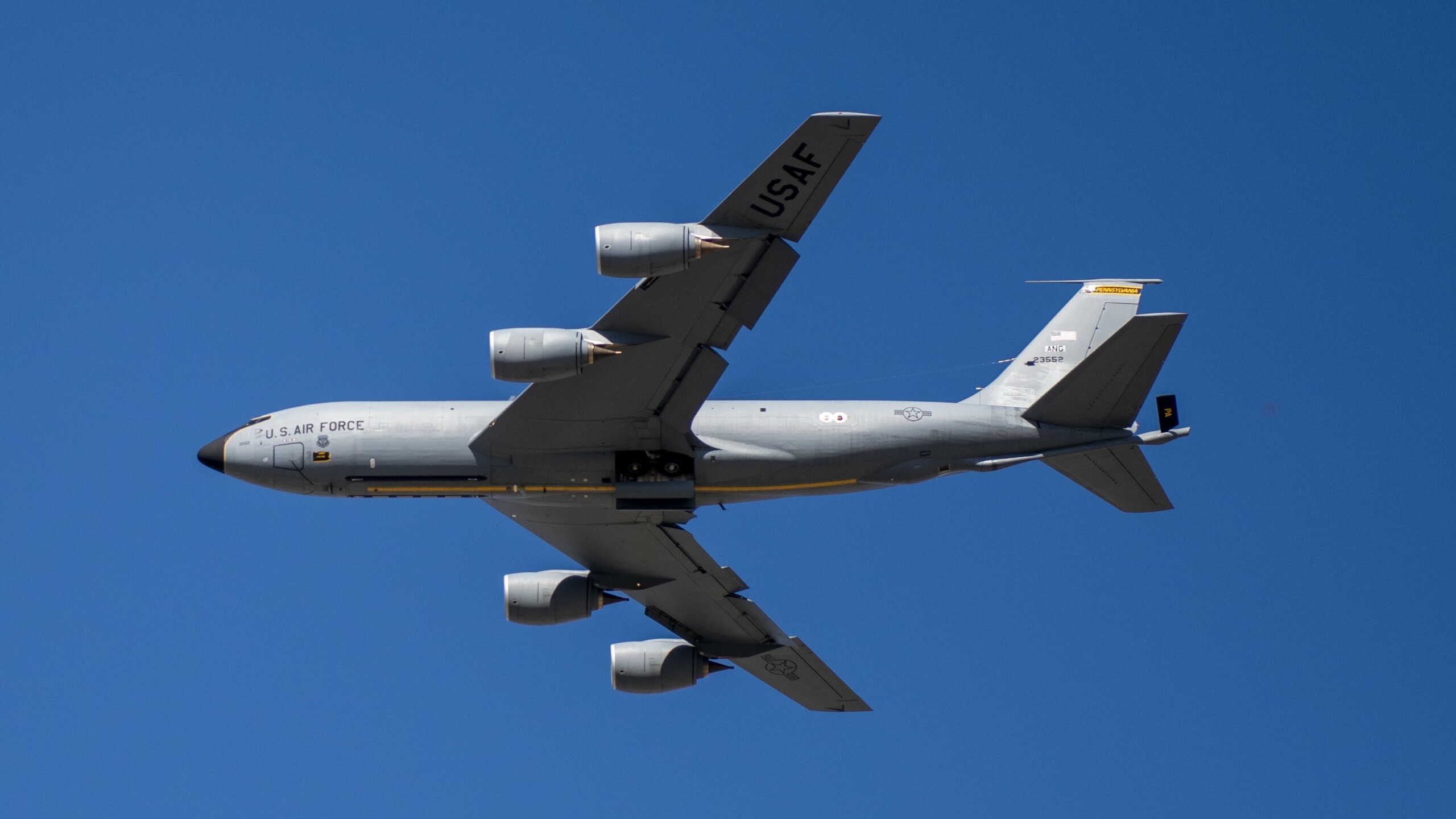
A key requirement for the NGAS engine is a reduced runway takeoff distance, suggesting that the aircraft might be a larger and heavier aircraft compared to its predecessors.
This increase in size could be driven by two main factors: the need to carry more fuel for extended-range refueling or the integration of additional functionalities beyond just basic refueling operations.
Speculation points towards a potential stealthier design, which would allow the NGAS to operate in high-threat environments with less risk of detection.
Building the NGAS: A Multi-Step Process
The engine search represents just one step in the NGAS development process.
The initial RFI issued in January 2023 focused on the entire aircraft.
At that stage, the Air Force sought proposals outlining the capabilities and potential revolutionary aspects of potential NGAS designs.
This latest engine RFI indicates significant progress, with the Air Force moving towards finalizing the aircraft’s technical specifications.
Timeline and Next Steps
Industry partners have until April 30 to respond to the engine RFI.
The Air Force anticipates kicking off the NGAS program in the third quarter of 2025, with deliveries of the first operational tankers expected by the mid-2030s.
This timeline suggests a deliberate and measured approach, ensuring the NGAS delivers the necessary capabilities while minimizing technical risks.
The NGAS program represents a significant investment in the future of US Air Force aerial refueling capabilities.
The choice of engine will play a crucial role in determining the performance and effectiveness of this next-generation tanker fleet.
With a focus on innovation and a commitment to meet evolving operational demands, the NGAS program promises to ensure the Air Force has the aerial refueling capacity it needs to project power and maintain air superiority for decades to come.








COMMENTS