

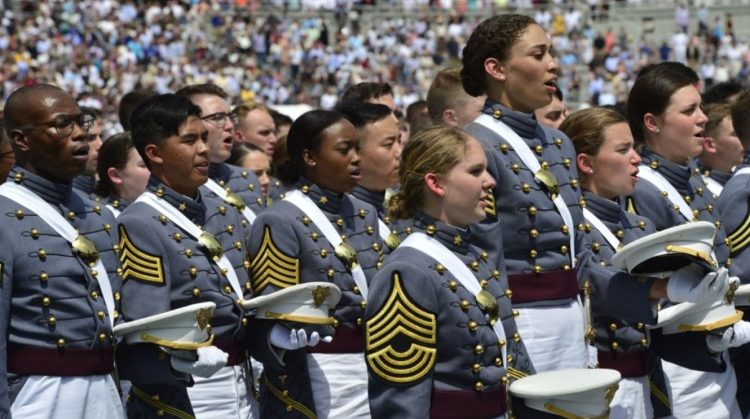
The academy justified these actions by citing President Trump’s executive orders, along with guidance from the Department of Defense and the Department of the Army. In line with this effort, the Pentagon has also announced an end to identity month celebrations, such as Black History Month, arguing that programs emphasizing differences within the ranks undermine camaraderie and mission readiness.
A Broader Military Shift
The DoD established the “Restoring America’s Fighting Force Task Force” on January 29, 2025. This task force is responsible for dismantling DEI offices and programs throughout the military. Additionally, Defense Secretary Pete Hegseth was tasked with reviewing DEI initiatives within the Pentagon, including any instances of race or sex-based discrimination and policies that promote preference systems based on those factors.
Military academies, including West Point, were also directed to modify their curriculum to emphasize that “America and its founding documents remain the most powerful force for good in human history.” The DoD is refocusing on a strictly merit-based system that provides equal opportunities for service members without striving for equal outcomes.
West Point’s move to disband these student groups and review all other sanctioned clubs is a direct implementation of these broader DoD policies. It reflects how the executive order’s impact is cascading down the military chain of command, influencing policies from the highest levels of the Pentagon to individual service academies.
Voices from the Ranks
Cadets at West Point have expressed mixed reactions to the recent disbanding of their DEI-based student organizations. While official statements from current cadets are limited, some alumni have spoken out about the impact these clubs had on their experiences at the academy. Geoffrey Easterling, a West Point graduate and former member of one of the disbanded clubs, emphasized that these organizations were about building community rather than promoting controversial ideologies. He explained that cadets could find academic help from upperclassmen, receive military guidance, and connect with classmates from different backgrounds.
On social media platforms like Reddit, some individuals claiming to be cadets or military personnel have voiced frustration over the decision. One user, who identified as having served for 18.5 years, expressed disappointment, saying there are days they are proud of their service and days they “can’t wait to retire.” Another user, claiming 15 years of service, joked about their future military assignments, suggesting disillusionment with the direction of their career. However, these online comments cannot be independently verified as coming from actual cadets or service members.
The lack of public statements from current cadets may be due to military regulations restricting them from openly criticizing official decisions. As West Point moves forward with its new policies, the full impact of these changes on cadet life and campus culture remains uncertain.
The U.S. Military Academy has disbanded a dozen West Point cadet clubs centered on ethnicity, gender, race and sexuality. https://t.co/oI2JA4cSQI
— ArmyTimes (@ArmyTimes) February 5, 2025
Looking Ahead
As the military navigates this contentious terrain, the long-term implications of dismantling DEI programs and affiliated groups remain to be seen. The balance between fostering an inclusive environment and maintaining unit cohesion is delicate. The coming months will reveal how these policy changes impact the culture and effectiveness of institutions like West Point and the broader U.S. military.
In the end, however, the goal is to focus on unit cohesiveness and accomplishing the mission. This must remain paramount in the mind of the modern warfighter.








COMMENTS