

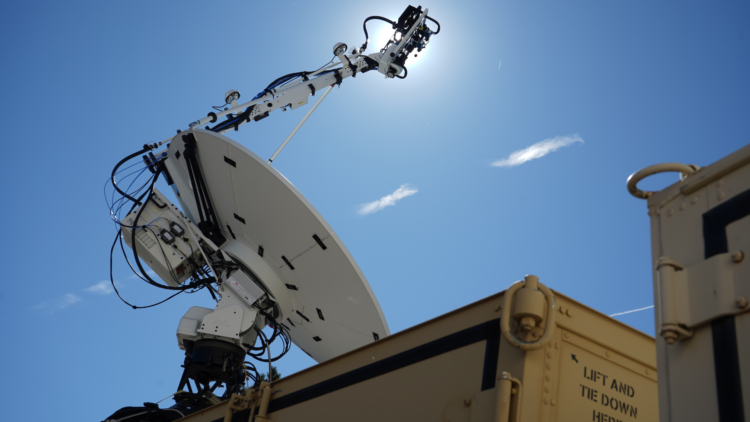

But perhaps the most compelling aspect of the RMT lies in its affordability.
The report emphasizes its “cost-effective” nature, hinting at the possibility of large-scale deployments across various geographical locations.
This scalability could create a robust counter-space network, a web of interconnected RMT units blanketing a specific region, and effectively deter adversaries from utilizing space-based assets in that zone.
A network of these RMTs could be deployed to safeguard vital communication channels and critical infrastructure. As electronic sentries, they would form an impenetrable barrier, effectively jamming any hostile attempts from space-based assets.
A Race Redefined: The RMT in the Context of China’s Growing Space Power
However, the development of the RMT cannot be viewed in a vacuum.
The US is locked in a fierce space race with China, a nation aggressively expanding its space program, with a strong focus on military capabilities.
China’s establishment of a dedicated “Near-Space Command” underlines its strategic focus on this region, a contested zone deemed crucial for determining the outcome of future battles.
The RMT, then, emerges as a timely response to these developments, offering a much-needed counterweight to China’s growing space prowess.
Unveiling the Future: The Road Ahead for the RMT
While details regarding the RMT’s exact performance remain classified, the successful test itself is a significant milestone.
The report mentions evaluation criteria like system responsiveness (“latency”), targeting accuracy, and network security, indicating a rigorous development process.
Additionally, the Space Force’s new approach of merging development and operational testing signifies a commitment to delivering effective tools to soldiers at a faster pace.
This streamlined approach ensures the RMT remains at the cutting edge of space defense technology.
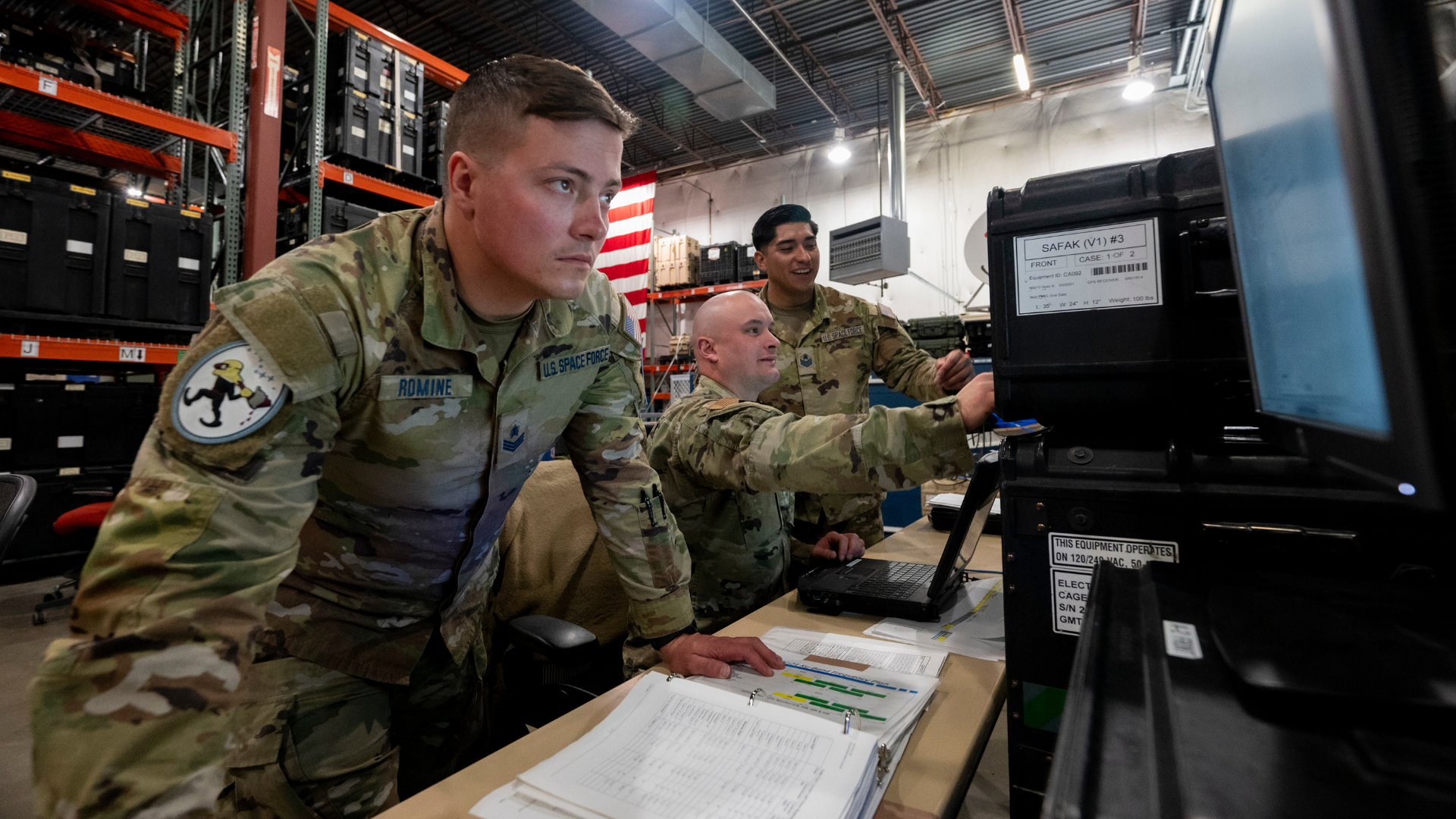
The RMT represents a significant leap forward in space defense.
With its affordability, operational flexibility, and potential to disrupt enemy space-based operations, it becomes a valuable weapon in the US Space Force’s arsenal.
As the space race intensifies, the development and deployment of the RMT could be a turning point, securing US dominance in the final frontier.
However, questions remain. How will other spacefaring nations react to this new technology? Will the RMT spark an arms race in space, or will it usher in a new era of cooperation and regulation?
Only time will tell, but one thing is certain: the RMT has irrevocably altered the landscape of space defense, raising the stakes and prompting a reevaluation of strategies in the new space race.








COMMENTS