Special operations getting smart technology for better teamwork and higher precision
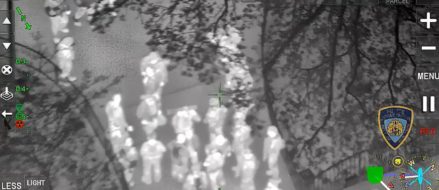
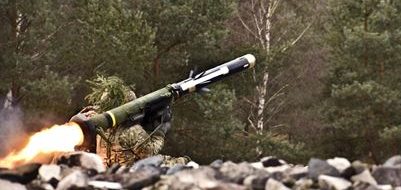
Special Operations Forces (SOF), such as the Navy SEALs and Delta Force, may soon get a new type of technology that gives them additional eyes on the ground, make airstrikes more accurate, and help them better discern enemy fighters from civilians.
Using this new technology, troops will be able to livestream video back to command, see through each-other’s eyes, track targets, and call in air strikes—using just their smartphones.
The new technology could roll out soon. The company that develops it, CrowdOptic, received a rapid prototyping request from SOFWERX, which is a partnership between Doolittle Institute and U.S. Special Operations Command. Under the request, which CrowdOptic received on Sept. 8, they are expected to have a working prototype available by Sept. 30.
According to CrowdOptic CEO Jon Fisher, the technology works on just about any device with a sensor, from smart glasses to drones, but they’ll be starting with smartphones since troops with SOF use personal phones as their main communication devices while on the field.
“It’s the phones first because that’s what’s everywhere for the military,” Fisher said.
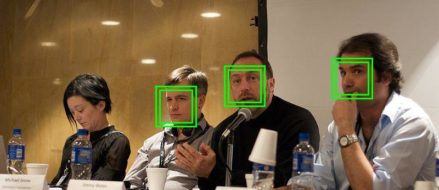
The technology works by linking data between multiple devices and finding common information between them. It can also detect the direction a device is facing, and Fisher noted “with that type of content you can do some incredible things.” This opens many doors for new technology that Fisher said could benefit anyone from warfighters to firefighters, and in industries from police work to entertainment.
The technology has been framed before as a tool that lets you “see through walls.” This is partially true, since by using smart glasses and syncing them with cameras fixated in various locations, a wearer can look in the directions of different cameras to see what they see. The CrowdOptic technology is being used this way by San Francisco Zoo’s wolf exhibit.
Since the technology can sync multiple devices and find common information, it can also be used to interconnect what various people are looking at through smart glasses. The Denver Broncos are using CrowdOptic technology, for example, to detect where fans are looking on the field, and to use this data to find the best camera angles of the action.