
“We stand in full support behind the U.S. military. We will be getting to the bottom of this. Staff Sgt. Matthew McClintock, his family and his unit deserve for the truth to be out there, and we need to make sure this does not happen again.”
Despite the fact the Obama Administration continually tells the news media the U.S. is not in combat in Afghanistan, it is very clear we are. Just a few weeks ago, a suicide bomber killed six U.S. troops at Bagram Air Base.
Zinke has long been a critic of the rapid drawdown of troops, restrictive rules of engagement, and the sporadic usage of Special Forces because it leaves our troops without the right tools and backup, like the QRF, needed in dangerous situations. (Washington Times OpEd Feb 2015) (Feb 2015)
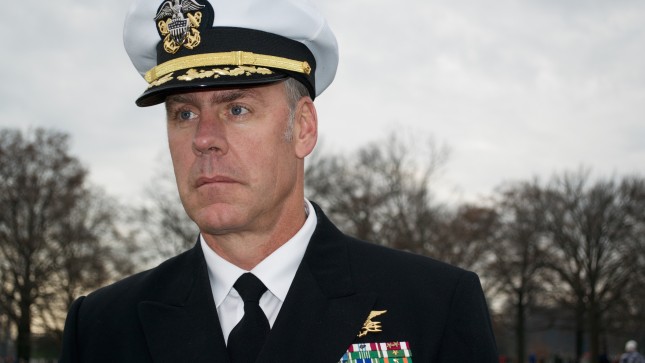
Rep. Ryan Zinke is a retired Navy SEAL Commander. His 23-year career included assignments with SEAL Teams One and Six and leading BUD/S training. In 2004, Zinke served as the Acting and Deputy Commander of Joint Special Operations in Iraq where he led 3,500 special operations personnel and led hundreds of missions.
Text of the letter To Secretary Carter
Dear Secretary Carter:
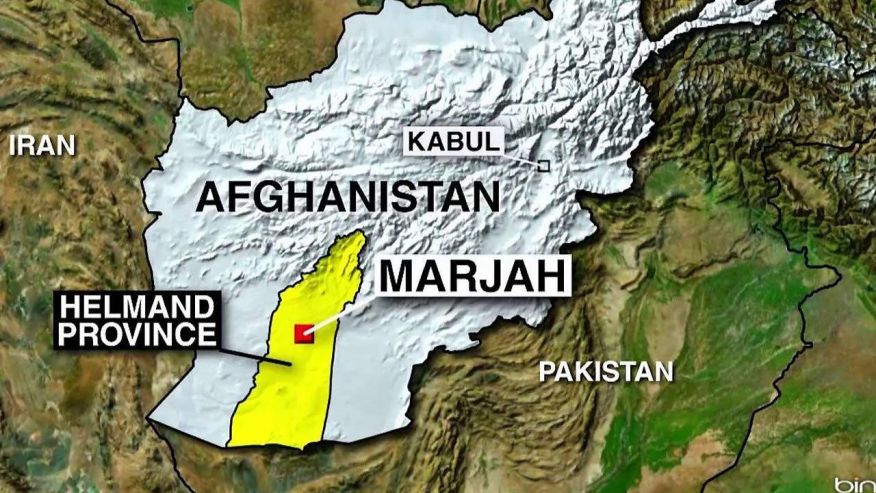
On Tuesday, January 5th, U.S. Armed Forces participating in a train and assist mission alongside Afghan National Defense and Security Forces (ANDSF) in the Helmand Province of Afghanistan came into heavy contact with Taliban forces. After a prolonged firefight, two U.S. service members were wounded and unfortunately Staff Sgt. Mathew McClintock was killed in action. The ultimate sacrifice by Staff Sgt. McClintock is a chilling reminder to the American people that U.S. service personnel remain engaged in continuous combat operations in Afghanistan.
Various news reports of the events that led to the death of Staff Sgt. McClintock bring into question the rules of engagement for our service personnel, the assets that they have available to them, and the command structure responsible for authorizing those assets. Concerns have been raised regarding the lengthy time it took to provide support and whether or not authorization for a Quick Reaction Force (QRF) was intentionally delayed. Additionally there have been reports that an available AC-130 gunship was denied permission due to concerns of collateral damage.
The American people have the expectation that when U.S. service personnel are deployed abroad, the entirety of the U.S. military and its assets will be used in order to successfully complete the mission. Our troops live and die by the mantra: leave no man behind. Reports that assets were denied or even delayed, represents a critical failure of the command and such negligence erodes the confidence and the morale of the service personnel.
As members of Congress, it our constitutional duty to provide oversight on behalf of the American people. In order to provide accurate information for our constituents we request that a briefing be made available to Congress as soon as possible to answer the following questions:
At any point during the firefight did the current rules of engagement restrict the immediate use of assets on hand? Has there been any consideration in altering the current rules of engagement to be less restrictive in the future?
Did the U.S. or ANDSF have any air assets available in the region to support the forces that were engaged on the ground? Was there ever any request for air support? At any time was the use of air support not authorized out of concerns for collateral damage?
How long did the firefight last? What was the distance between the location of the firefight and the nearest QRF? Why did it take so long for a QRF to reach the engaged US and Afghan personnel?
What was the time between the request for additional support and the time that support was authorized? What was the chain of command that had the authorization to issue that support? At any time was that decision delegated to anyone outside of CENTCOM?
Thank you for your attention to this matter. We look forward to your prompt response.








COMMENTS