
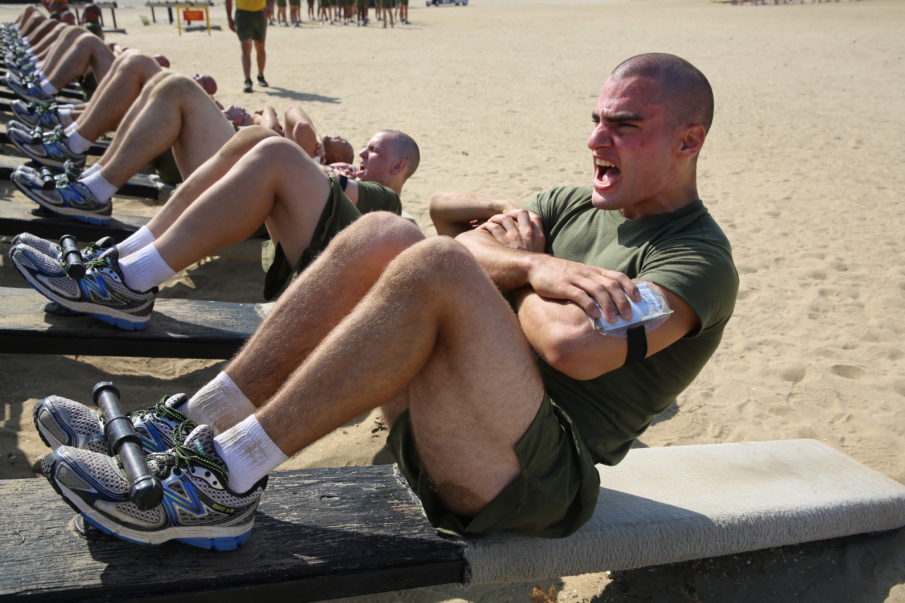
We’ve all heard somebody say that their fitness plan was to “turn all this fat into muscle” by summer, or something to that effect. It’s a common turn of phrase that likely started out as a metaphor for changing the composition of your body from tub of lard to ton of marble, but over the years it’s slowly seeped its way past our bullshit detectors and into the realm of old wive’s tail. Fat, you’re likely not surprised to learn, is made up of completely different things than muscle, is used for a distinctly different purpose, and never gained the ability to “morph” into anything other than chemical energy or waste.
It is true, however, that fat is less dense than muscle — making it true when people say that “muscle weighs more than fat.”
Myth #3: Gatorade and other sports drinks are the best ways to hydrate
We tend to think of sports drinks as the best ways to rehydrate ourselves after a long workout. After all, we know that there’s more to sweat than just water and it’s important to replenish our stores of athlete-fueling electrolytes before tomorrow’s run, right? Well, usually wrong.
Most sports drinks are really just sugar, salt, and water – which are indeed the same things you’re burning through and dispensing of via your sweat glands, but most people don’t need to add a lot more sugar and salt to their diets in order to stay healthy. In fact, for Americans, the opposite is often the case.
Replenishing electrolytes by adding sugar and salt to your water is a great way to stay in the fight during a grueling marathon, a long distance bike race, or a multiple day hike. If you had Starbucks for breakfast, plan to down a protein shake after you lift, and plan to eat dinner tonight… you probably don’t need the extra 21 grams of sugar, 160 milligrams of salt, and 80 calories you’ll get out of that Orange Gatorade, though. You’re much better off sticking to water.
Myth #4: Working out harder is the best way to lose weight
This is one myth that I’ve fallen victim to repeatedly over the years. When we begin to pack on a few extra pounds, it’s easy for us to see that as a sign that our workouts are beginning to slump — and in a way, that’s a good thing. We all need the occasional kick in the ass to reenergize our efforts and motivate us to hit the gym as hard as ever. The thing is, if you’re gaining weight (especially if you exercise regularly) it’s likely the result of other issues, like how you eat and sleep.

It’s no secret that our metabolisms change as we age, but many of us also have a knack for slowly developing some bad habits when it comes to eating right and getting enough rest. Getting enough sleep is integral to getting the most out of your workouts, and managing your diet by making gradual, sustainable changes is the best way to offset the creeping advance of time. I’ll never tell you not to work out harder, but if you find yourself struggling to fight off the gut after 40, you may want to reassess your habits outside the gym, as well as the ones inside.
Myth #5: Weight lifting makes you bulky
I addressed this topic last week’s Old Man Fitness, but it’s important enough to warrant another mention here. In recent years, more women have taken to lifting weights as a part of their fitness game, but there remains a misconception about what weight lifting actually does to the human body.
It is true that bodybuilders achieve their bulky aesthetic through a combination of heavy weight lifting and strict dietary standards, but the assumption that adding weights to your average person’s workout will make them into some boxy, hulking figure just isn’t true. In fact, thanks to an increased emphasis in fitness in our modern culture, most of the beautiful women we see on TV and in movies achieved their super-human seeming physiques through a combination of strength training and hi-intensity exercises.
If your goal is to tone up, tighten up, or be generally fit, weights should be a part of your overall regimen. Remember, lifting weights doesn’t have to mean lifting heavy – tailor your sets and rep counts to your fitness goals.
Feature image courtesy of the author








COMMENTS