

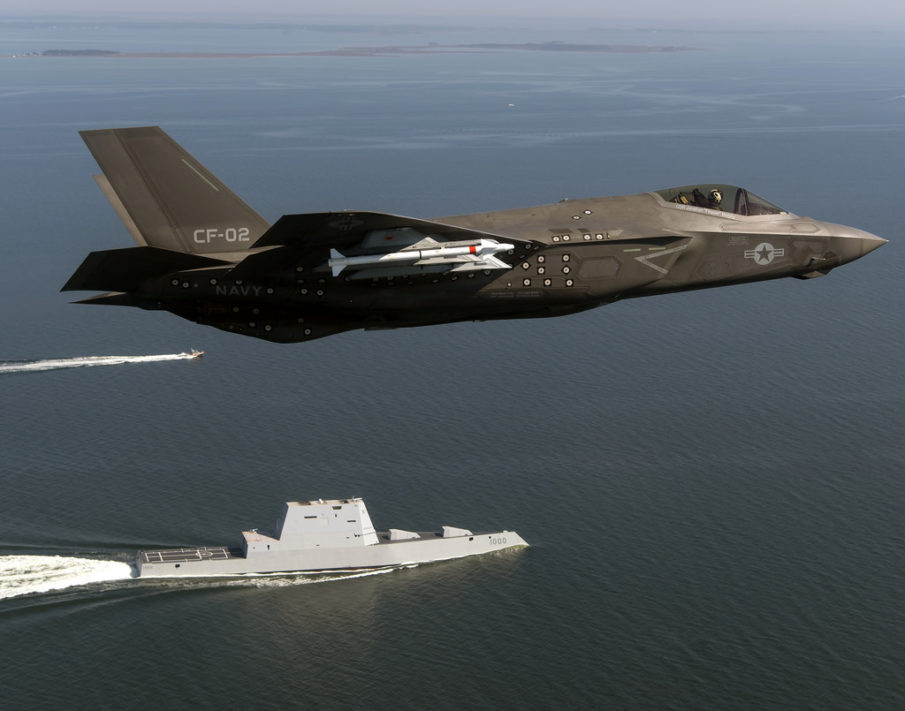
The Air Force is faced with the daunting challenge of finding a way to reduce the costs of operating their fleet of F-35s by a whopping 38% in order to avoid reducing their total order by 590 aircraft. If their findings are replicated in other branches, the total order of F-35s could easily drop far enough to result in an increased per unit price on the aircraft, negating any savings produced by reducing the order in the first place.
“Right now, we can’t afford the sustainment costs we have on the F-35, and we’re committed to changing that,” Under Secretary of Defense for Acquisition and Sustainment Ellen Lord said. The DoD is reportedly working with Lockheed to find ways to reduce operating costs – more than half of which are attributed to contract work Lockheed is expected to do.
You can read more about this story in the article: Air Force admits it can’t afford massive operating costs of F-35 fleet, may reduce order
Only about half of the F-35s Lockheed has delivered so far are actually fit to fly
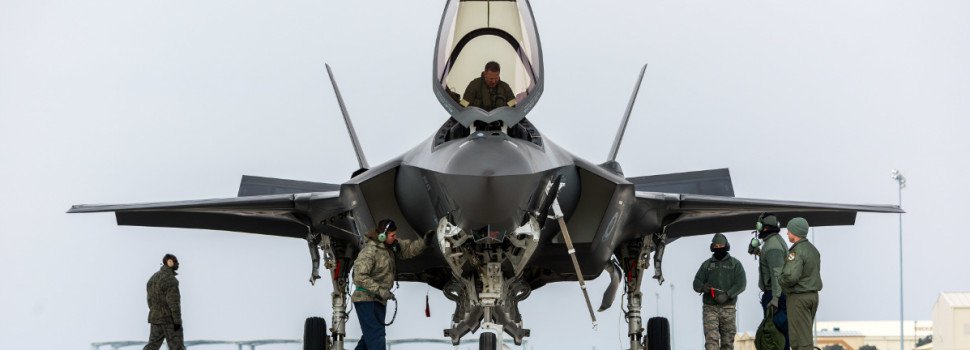
According to statements made by Vice Adm. Mat Winter, head of the Defense Department’s F-35 Joint Program Office, only 51% of the F-35s that have been delivered to the United States and its international partners are actually operational, with the rest indefinitely grounded pending repairs and upgrades.
The culprit behind many of the non-operational F-35s was a policy called “concurrency,” wherein F-35 production began before testing of the aircraft was completed. The idea was to get the ball moving on construction of the advanced fighters before the anticipated decades long shake down process was completed, then the early iterations of the jet would be brought back in for upgrades once testing of the final version of the platform was complete. However, the immense costs associated with the aircraft have forced lawmakers to prioritize new orders, in order to keep per-unit costs down. This method has left only half of the 280 F-35s that have been delivered operational, leaving somewhere between $1.4 and nearly $1.8 billion worth of 5th generation fighters sitting on the tarmac.
You can read more about this story in the article: Half of all F-35s delivered by Lockheed Martin are non-operational as negotiation continues on new contract
Despite all this, Lockheed has already pitched building a “superior” fighter to the F-35 to Japan
With concerns about Chinese aggression throughout the region, the Japanese government has already begun making the political changes necessary to transition away from a strictly defensive force toward a modern military with the means to take proactive deterrent action. Doing so has involved the purchase of a number of systems from the United States military, including ballistic missile defenses, MV-22 Ospreys, and of course, the F-35.
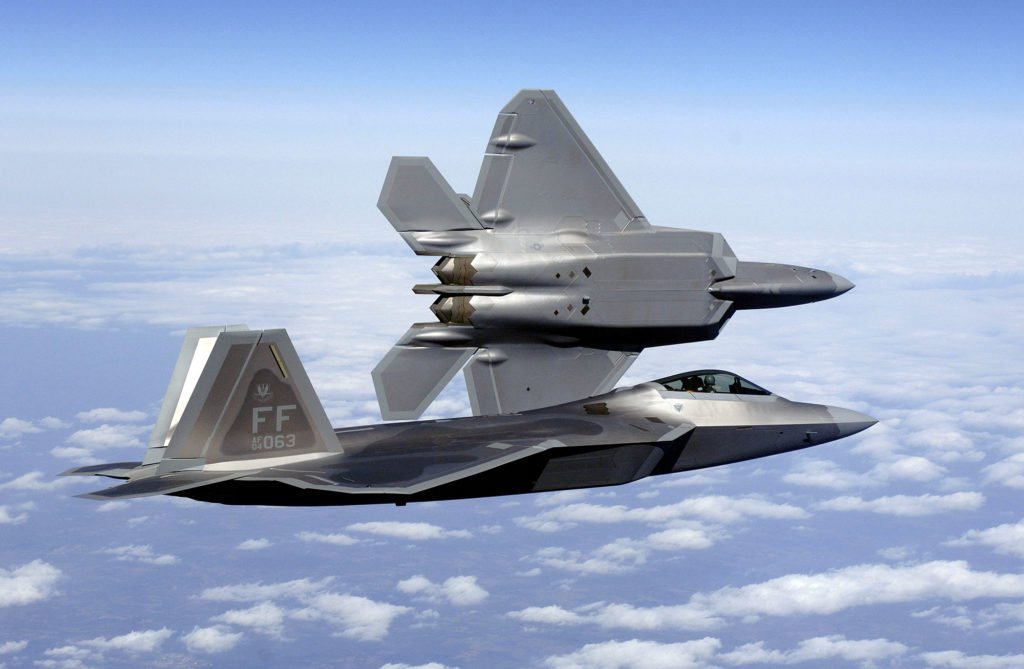
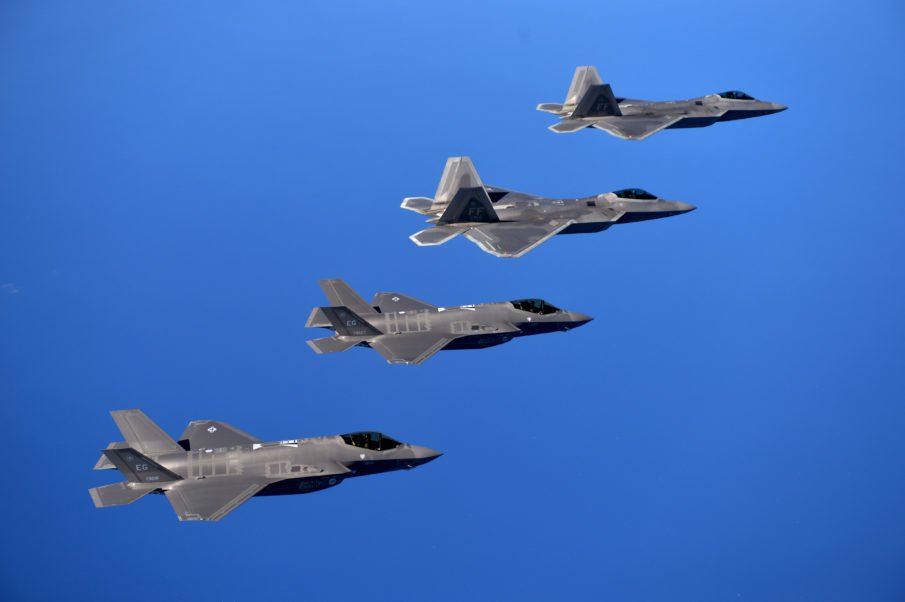
However, it’s been years since anyone saw the F-35 as a legitimate air superiority fighter. It’s slower and less maneuverable than America’s other 5th generation fighter, the stealthy F-22, and would have to rely entirely on stealth and over the horizon weapons systems to engage 4th generation fighters like the Su-35 fielded by both Russia and China — because it too can outrun and out turn Lockheed’s show pony. Japan’s air superiority fighters, based on American F-15 and F-16 platforms, also aren’t up to the task of taking on China’s J-20 and forthcoming J-31 — prompting Japan to start looking for a new air superiority platform.
Enter Lockheed Martin, who has offered to develop a “hybrid” of F-22 and F-35 technology into a new air superiority fighter that they claim would be superior to both. The F-22 and associated technologies have been barred from export by the American government, so it stands to reason the U.S. would likely need to be on the customer list in order to permit such a deal.
You can learn more about this potential project, as well as the threats it aims to deter in the article: Lockheed Martin pitches Japan an F-22/F-35 hybrid that would be ‘superior to both’
Image courtesy of the Department of Defense








COMMENTS