
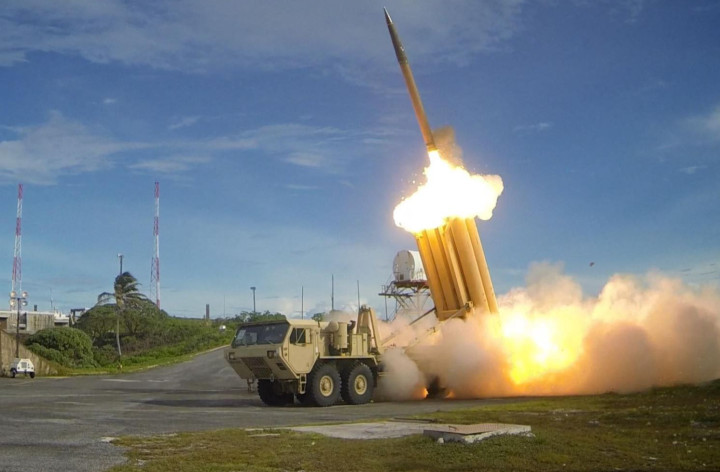
How Iran Knocked Out a Key U.S. Missile-Defense Radar
Missile defense may look like a story about interceptors and launchers, but the real fight is over the radars that let those weapons see the threat in the first place.
32,387 articles
Latest News stories, analysis, and updates from SOFREP.
Missile defense may look like a story about interceptors and launchers, but the real fight is over the radars that let those weapons see the threat in the first place.
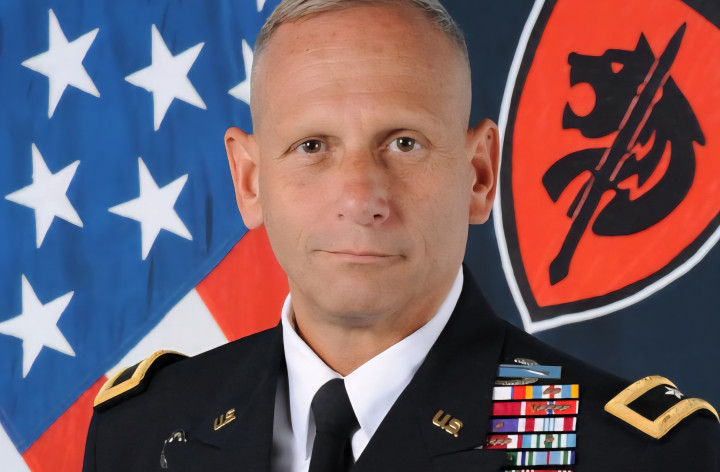
Air power alone cannot secure victory in Iran, because war is ultimately decided by political realities, regional dynamics, and the human consequences that follow every bomb dropped.
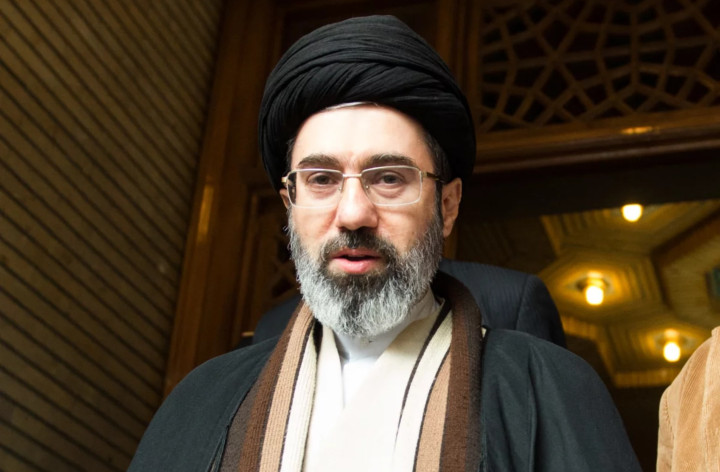
The rise of Mojtaba Khamenei reflects a shift inside the Islamic Republic from clerical authority to security rule. His leadership may strengthen Iran’s hardline institutions while narrowing any remaining path toward diplomacy.
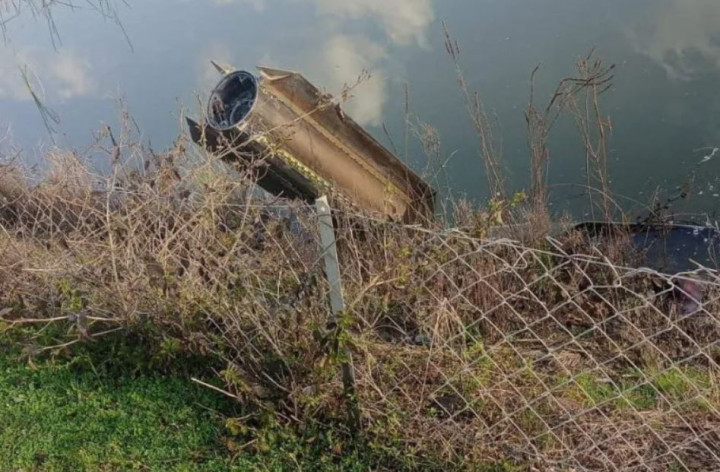
As the Pentagon quietly investigates whether a U.S. strike hit a school in Iran, the White House refuses to rule out a military draft while NATO air defenses shoot down a ballistic missile over Turkey, a snapshot of a widening war whose edges are now touching both Washington politics and the alliance’s front line.
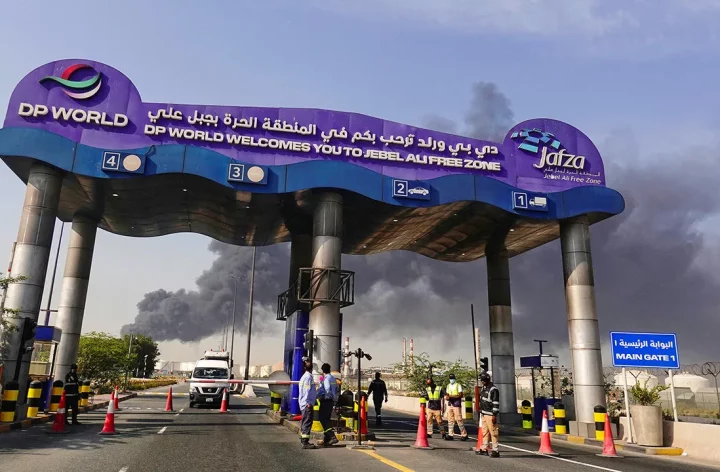
Dubai sells the dream of tax-free paradise, but scratch the chrome and you find a fragile desert machine where one power failure, one regional flare-up, or one run-in with the wrong official can turn that glittering skyline into a very hot, very expensive trap.
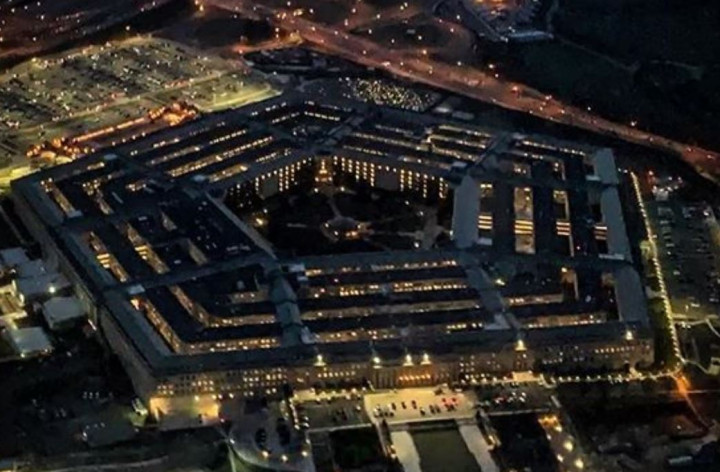
A Domino’s franchise owner accidentally discovered that late-night pizza orders to the Pentagon predict military operations, and 40 years later, a publicly available pizza tracker is calling airstrikes before the news breaks — which means our adversaries can too.
Air power can devastate an enemy’s infrastructure and military capacity, but history shows that without ground forces and sustained political strategy, it rarely delivers the decisive strategic victory nations seek.
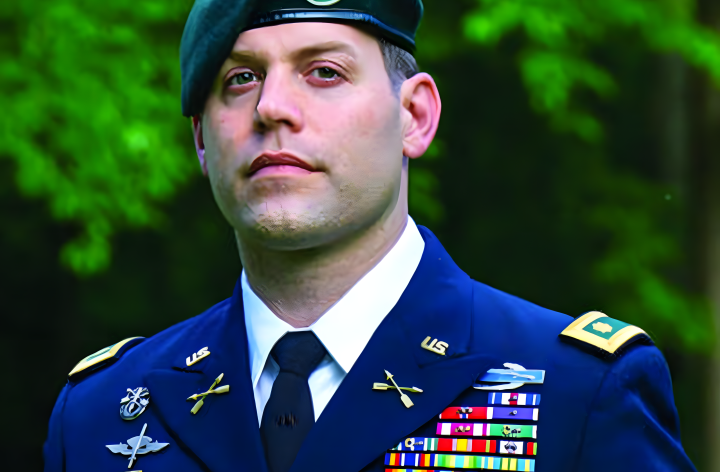
Major Nicholas Dockery fought through a brutal Taliban ambush in Afghanistan in 2012, shielding wounded soldiers, killing enemy fighters, and calling in helicopter gunships, actions now recognized with a long-awaited upgrade from the Silver Star to the Medal of Honor.
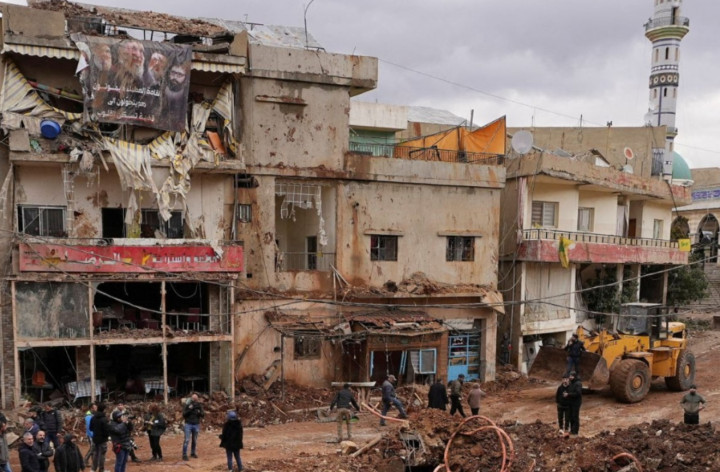
The war with Iran is producing ripple effects across the Middle East and global markets. U.S. diplomats are evacuating Gulf posts, Israeli strikes expand into Lebanon, oil prices surge, and Kurdish leaders warn against opening another front as Washington pushes new alliances abroad.
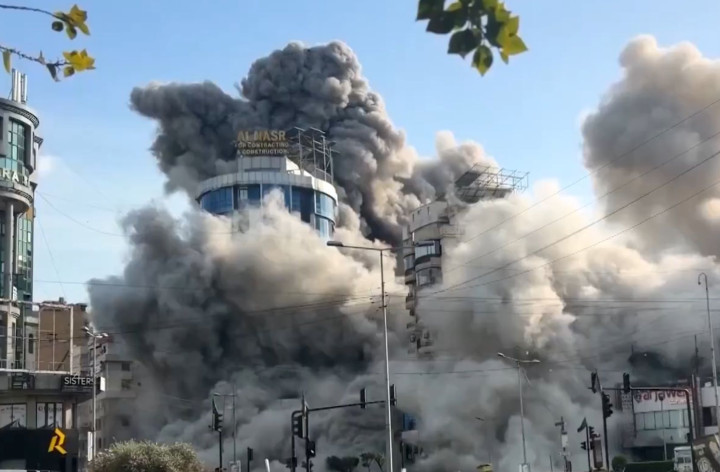
Regional tensions rise as Israel strikes Lebanon, Iran preps leadership; Colombia votes; Oslo and Peru see explosions; casualties reported.
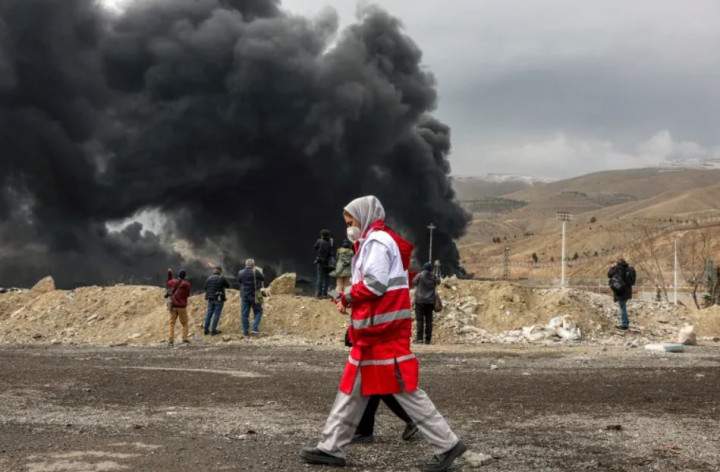
Coalition strikes on Iran’s fuel depots signal a shift in the war from symbolic targets to the economic machinery that powers Tehran’s military, its economy, and ultimately the global energy markets that Americans feel at the gas pump.

On March 8, International Women’s Day honors Artemisia, Joan of Arc, and modern warriors like Leigh Ann Hester who shattered combat barriers.

Praesidus builds rugged, American-assembled watches inspired by historic military timepieces. Designed for accuracy and tested for endurance, each watch is made for outdoor explorers, everyday adventurers, and anyone who needs reliability when it matters.

SIG Sauer is a world-class firearms manufacturer trusted by military, law enforcement, and responsible civilian shooters, delivering precision-engineered weapons, optics, and training systems while maintaining a strong commitment to veteran hiring, American manufacturing, and the professionals who rely on their gear when it matters most.

FightCamp is an at-home boxing and kickboxing training system built around real technique, structured programming, and measurable performance. Members train with fighters and professional coaches while using connected punch and kick trackers that record volume, speed, and power in every round. The result is training that builds conditioning, skill, discipline, and resilience — all from home, on your schedule.

Essential Provisions Field Fuel® meals [ready-to-eat] & sports nutrition products have been developed with the cleanest, high-quality nutrient and energy-dense ingredients available. Research has shown that the whole food nutrients contained in our products have the ability to help.

Have you ever tried to wear a fleece hoodie in bad weather? We don’t recommend it. That’s why we founded BÆRSkin in 2019 – to create the world’s best outdoor gear that’s just as comfortable at home as it is durable outdoors. “Bad fitting, bulky, and boring” is how we felt about 1000’s of regular fleece hoodies we tested.

If you’re 21 or older and use nicotine or tobacco, charge ahead with Black Buffalo, America’s only credible smokeless tobacco alternative. Black Buffalo dips just like the real thing without the tobacco leaf or stem. Find Black Buffalo in Wawa, Circle K, Sheetz, Love’s, Pilot, Racetrac, and many more retail locations across the United States.

Stay Locked In. No Matter What. NEORON is a brain-boosting beverage built for the mission: sugar-free, crash-free, and engineered for clean, tactical focus through long hours and high-stakes operations. Made for those who grind, stay sharp under pressure, and refuse to fold—if failure isn’t an option, NEORON has your six.

Our roots in shooting sports started off back in 1996 with our founder and CEO, Josh Ungier. His love of airguns took hold of our company from day one and we became the first e-commerce retailer dedicated to airguns, optics, ammo, and accessories. Over the next 25 years, customers turned to us for our unmatched product selection, great advice, education, and continued support of the sport and airgun industry.