As a former senior military leader with extensive experience in the use of military force, it is imperative to address the ethical and operational implications of employing military actions against drug trafficking vessels, particularly through tactics such as bombing. Such operations not only raise significant legal and moral questions but also undermine the foundational principles of military engagement and the broader goals of national security.
Violations of International Law
Bombing vessels suspected of drug trafficking raises immediate concerns regarding compliance with international law and established principles of armed conflict. Under international humanitarian law, military operations must adhere to the principles of distinction, proportionality, and necessity. These principles dictate that military action should be directed against legitimate military targets and must not cause excessive civilian harm relative to the anticipated military advantage.
In the case of drug trafficking operations, it can be argued that these vessels do not represent an immediate and legitimate military threat. Engaging such targets through bombing runs constitutes a violation of the legal frameworks under which military force is authorized. The potential for civilian casualties, environmental destruction, and collateral damage further exacerbates the illegality of such actions. Therefore, senior military officers should have opposed these operations on the grounds that they contravene essential tenets of international law.
Ethical Implications of Military Force
The use of military force against drug traffickers raises profound ethical concerns that challenge the moral foundations of military engagement. Military forces are primarily established to defend a nation, protect its citizens, and engage in combat against opposing military forces. Utilizing military force in operations that address drug trafficking blurs the lines between military and civilian law enforcement, leading to a troubling precedent.
Lethal military action should be reserved for situations where national security is at stake, not as an instrument for drug interdiction. This approach risks normalizing military force in contexts where law enforcement should prevail, undermining the rule of law and public trust in non-military institutions. In this regard, senior military officers should have collectively opposed such operations, recognizing that engaging in drug interdiction via military means diminishes the integrity of military missions and the ethical standards expected of military leadership.
Organizational Cohesion and Trust
The implications of bombing drug vessels extend beyond legal and ethical concerns; they impact the very fabric of military cohesion, trust, and psychological impact among service members. When military leaders endorse or fail to challenge actions that contravene established principles, it creates a culture of complicity and erodes confidence in the command structure. Service members may feel morally conflicted when ordered to engage in operations that do not align with their understanding of lawful and ethical conduct.
By collectively opposing operations aimed at bombing drug boats, senior military officers could have reinforced a culture of accountability and moral clarity within the armed forces. Upholding standards that prioritize lawful engagement fosters trust and solidarity among service members, promoting a sense of pride in missions that represent the values of the nation they serve.
Alternatives to Military Action
Rather than resorting to military bombings for drug interdiction, a more effective and legally sound approach involves enhancing cooperation between military, law enforcement, and international agencies. Strategies such as intelligence sharing, maritime patrols, and improved surveillance can provide more effective means of countering drug trafficking without resorting to the drastic and often illegitimate measure of bombing vessels.
In addressing substance-related issues, it is also crucial to consider comprehensive approaches that emphasize prevention, treatment, and international cooperation, rather than purely punitive military actions. This multifaceted approach can address the root causes of drug trafficking while upholding the rule of law and protecting civilian life.
Conclusion
In conclusion, the decision to utilize military force against drug trafficking vessels through bombing operations represents a complex web of legal, ethical, and practical concerns. As a former senior military leader, I firmly believe that such operations are not only violations of international law but also detrimental to the very principles guiding military engagement. Senior military officers should have opposed these operations collectively, reinforcing the integrity of the armed forces and protecting the values upon which they are built. It is essential for military leadership to uphold the ethical principles of their profession and advocate for approaches that protect both the rule of law and the lives of innocents.
Already have an account? Sign In
Two ways to continue to read this article.
Subscribe
$1.99
every 4 weeks
- Unlimited access to all articles
- Support independent journalism
- Ad-free reading experience
Subscribe Now
Recurring Monthly. Cancel Anytime.
As a former senior military leader with extensive experience in the use of military force, it is imperative to address the ethical and operational implications of employing military actions against drug trafficking vessels, particularly through tactics such as bombing. Such operations not only raise significant legal and moral questions but also undermine the foundational principles of military engagement and the broader goals of national security.
Violations of International Law
Bombing vessels suspected of drug trafficking raises immediate concerns regarding compliance with international law and established principles of armed conflict. Under international humanitarian law, military operations must adhere to the principles of distinction, proportionality, and necessity. These principles dictate that military action should be directed against legitimate military targets and must not cause excessive civilian harm relative to the anticipated military advantage.
In the case of drug trafficking operations, it can be argued that these vessels do not represent an immediate and legitimate military threat. Engaging such targets through bombing runs constitutes a violation of the legal frameworks under which military force is authorized. The potential for civilian casualties, environmental destruction, and collateral damage further exacerbates the illegality of such actions. Therefore, senior military officers should have opposed these operations on the grounds that they contravene essential tenets of international law.
Ethical Implications of Military Force
The use of military force against drug traffickers raises profound ethical concerns that challenge the moral foundations of military engagement. Military forces are primarily established to defend a nation, protect its citizens, and engage in combat against opposing military forces. Utilizing military force in operations that address drug trafficking blurs the lines between military and civilian law enforcement, leading to a troubling precedent.
Lethal military action should be reserved for situations where national security is at stake, not as an instrument for drug interdiction. This approach risks normalizing military force in contexts where law enforcement should prevail, undermining the rule of law and public trust in non-military institutions. In this regard, senior military officers should have collectively opposed such operations, recognizing that engaging in drug interdiction via military means diminishes the integrity of military missions and the ethical standards expected of military leadership.
Organizational Cohesion and Trust
The implications of bombing drug vessels extend beyond legal and ethical concerns; they impact the very fabric of military cohesion, trust, and psychological impact among service members. When military leaders endorse or fail to challenge actions that contravene established principles, it creates a culture of complicity and erodes confidence in the command structure. Service members may feel morally conflicted when ordered to engage in operations that do not align with their understanding of lawful and ethical conduct.
By collectively opposing operations aimed at bombing drug boats, senior military officers could have reinforced a culture of accountability and moral clarity within the armed forces. Upholding standards that prioritize lawful engagement fosters trust and solidarity among service members, promoting a sense of pride in missions that represent the values of the nation they serve.
Alternatives to Military Action
Rather than resorting to military bombings for drug interdiction, a more effective and legally sound approach involves enhancing cooperation between military, law enforcement, and international agencies. Strategies such as intelligence sharing, maritime patrols, and improved surveillance can provide more effective means of countering drug trafficking without resorting to the drastic and often illegitimate measure of bombing vessels.
In addressing substance-related issues, it is also crucial to consider comprehensive approaches that emphasize prevention, treatment, and international cooperation, rather than purely punitive military actions. This multifaceted approach can address the root causes of drug trafficking while upholding the rule of law and protecting civilian life.
Conclusion
In conclusion, the decision to utilize military force against drug trafficking vessels through bombing operations represents a complex web of legal, ethical, and practical concerns. As a former senior military leader, I firmly believe that such operations are not only violations of international law but also detrimental to the very principles guiding military engagement. Senior military officers should have opposed these operations collectively, reinforcing the integrity of the armed forces and protecting the values upon which they are built. It is essential for military leadership to uphold the ethical principles of their profession and advocate for approaches that protect both the rule of law and the lives of innocents.
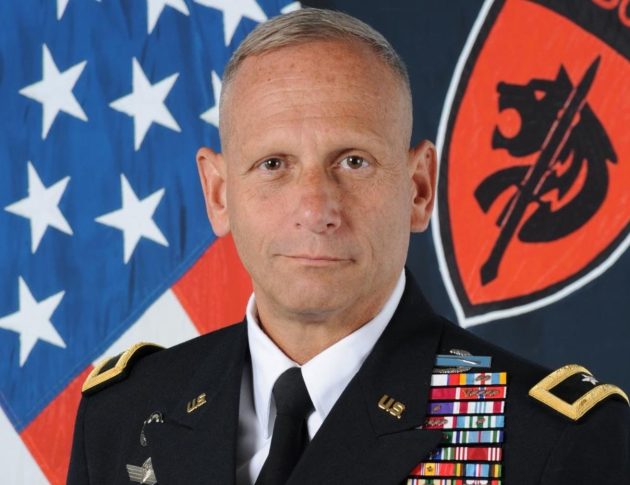
Donald C. Bolduc
—
** Editor’s Note: Thinking about subscribing to SOFREP? You can support Veteran Journalism & do it now for only $1 for your first year. Pull the trigger on this amazing offer HERE. – GDM









COMMENTS