

Lean Operations with a Small Footprint
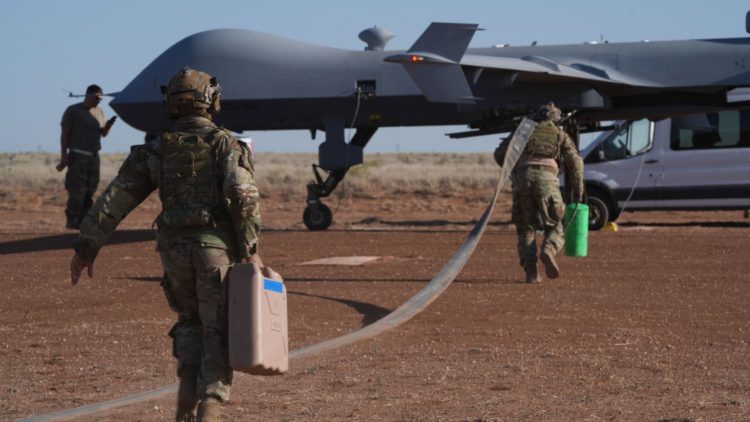
The exercise relied on a light SOMST presence to execute essential maintenance and support tasks. This streamlined approach demonstrated how the MQ-9 can be supported with minimal personnel and equipment, reducing logistical burdens while maintaining mission readiness.
Adaptability in High-Threat Environments
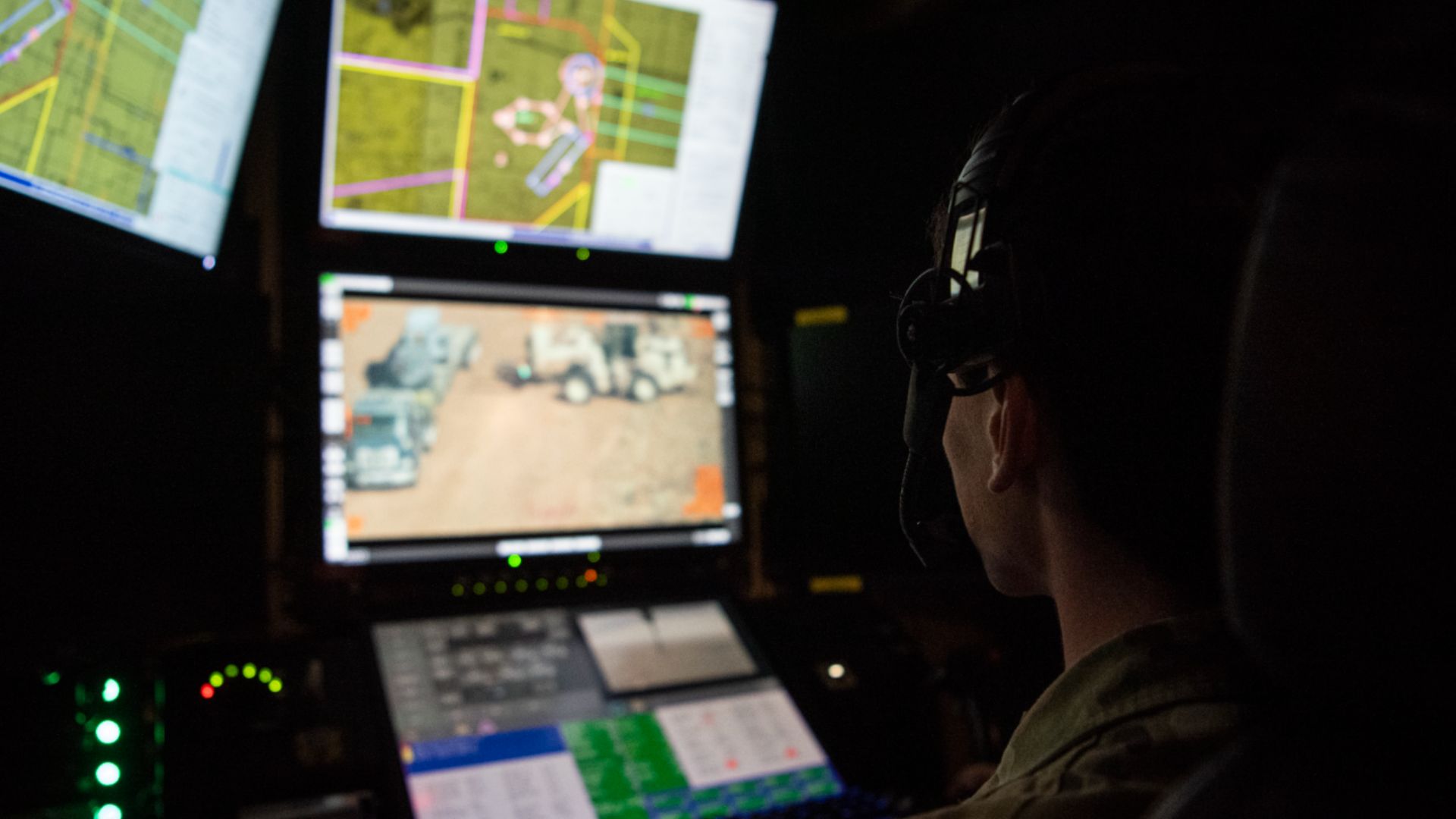
The MQ-9’s ability to execute missions remotely and operate in austere conditions makes it an invaluable asset for modern warfare. Its capabilities align perfectly with ACE strategies, which emphasize flexibility and resilience by dispersing forces across multiple locations.
The exercise also highlighted the strategic advantage of MQ-9 deployments.
“Operating in austere environments anytime, anyplace and anywhere is critical. It enables commanders to have options – something critically needed in special operations forces,” explained the 1st SOMST flight commander.
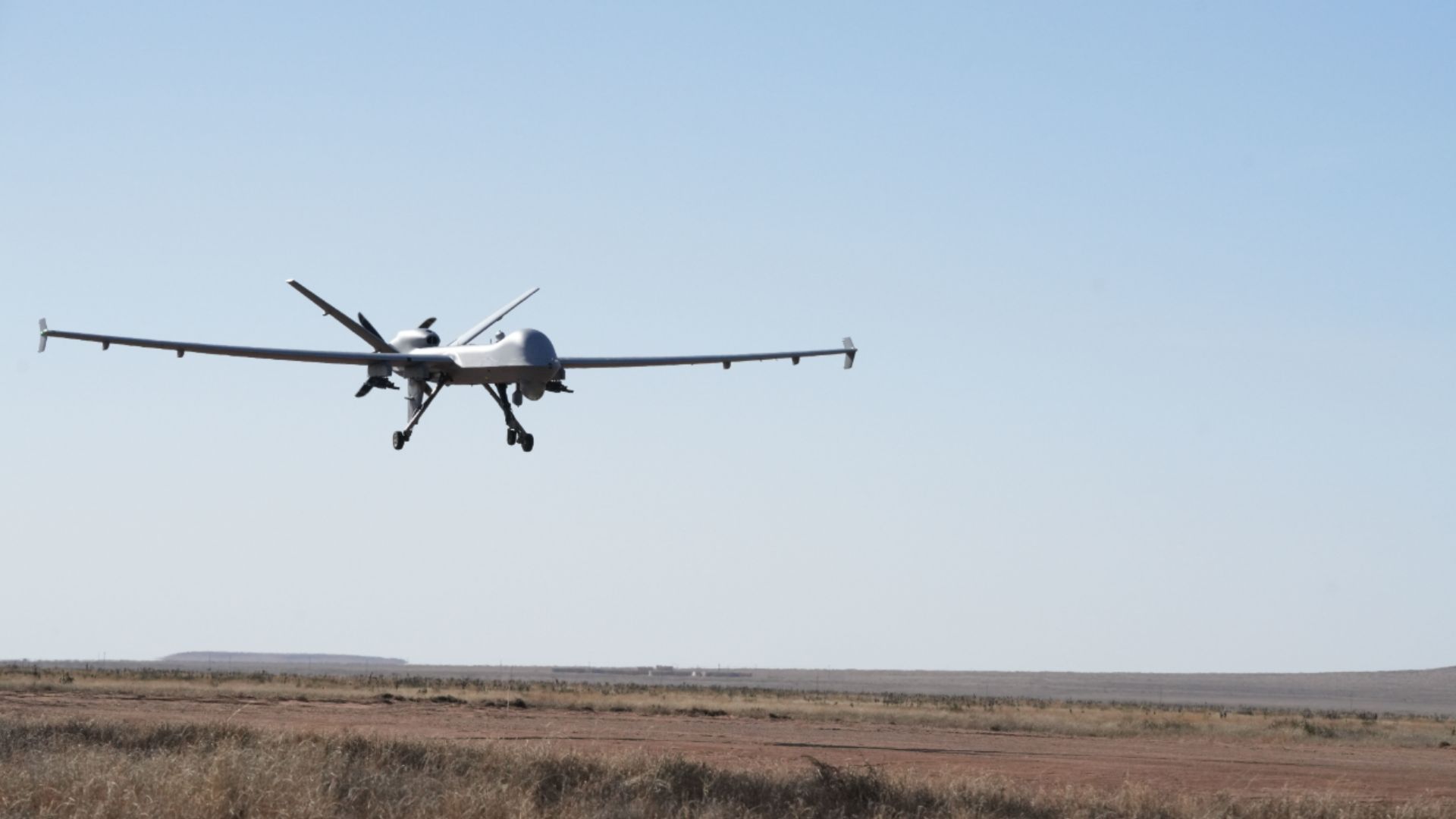
Developed by General Atomics, the MQ-9 Reaper is a multi-mission platform capable of conducting intelligence, surveillance, precision strikes, and combat search-and-rescue operations.
With a wingspan of 66 feet (20 meters) and a payload capacity of 3,750 pounds (1,701 kilograms), the Reaper carries advanced targeting systems, including infrared sensors, shortwave infrared cameras, and laser designators. Its arsenal includes AGM-114 Hellfire missiles, GBU-12 Paveway II bombs, and other precision munitions, making it a formidable force multiplier in both tactical and strategic scenarios.
Implications for the Future of Warfare
Exercise Reaper Castillo underscores the evolution of military strategy and the importance of leveraging cutting-edge technology to maintain operational superiority.
The ability to deploy the MQ-9 in remote and high-threat areas without the constraints of traditional infrastructure expands its potential applications dramatically.
This forward-thinking approach is crucial as the Air Force adapts to emerging technologies and evolving threats.
Lt. Col. Kurtis Paul, commander of the 65th SOS, remarked that Reaper Castillo represents “another step in Air Force Special Operations Command’s efforts to push MQ-9 operations beyond conventional means.”
The lessons learned during the exercise will not only benefit the 65th SOS but also inform future innovations across Air Force Special Operations Command (AFSOC).
Perhaps the most significant takeaway from the exercise is its alignment with ACE principles. By decentralizing operations and embracing a mindset of flexibility, the Air Force enhances its ability to respond rapidly to crises, maintain operational readiness, and deter adversaries.
Breaking Boundaries: The Path Ahead
The MQ-9 Reaper has already proven itself as an asset in modern warfare, but Exercise Reaper Castillo pushes its capabilities to a new level. By challenging traditional assumptions—such as the need for paved runways or large logistical teams—the Air Force is unlocking the full potential of this versatile platform.
“The MQ-9 is extremely relevant in today’s fight and will be in the future as well,” noted a 65th SOS MQ-9 evaluator pilot. “It allows us to go places and do things that we cannot risk sending manned aircraft—such as high-threat environments.”
With its limitless combat reach and adaptability, the MQ-9 Reaper is not just a tool for today’s missions but a cornerstone of future Air Force strategy.
As the military continues to innovate, the lessons learned from exercises like Reaper Castillo will shape the tactics, capabilities, and doctrines that define the wars of tomorrow.








COMMENTS