

Space-Based Missile Defense
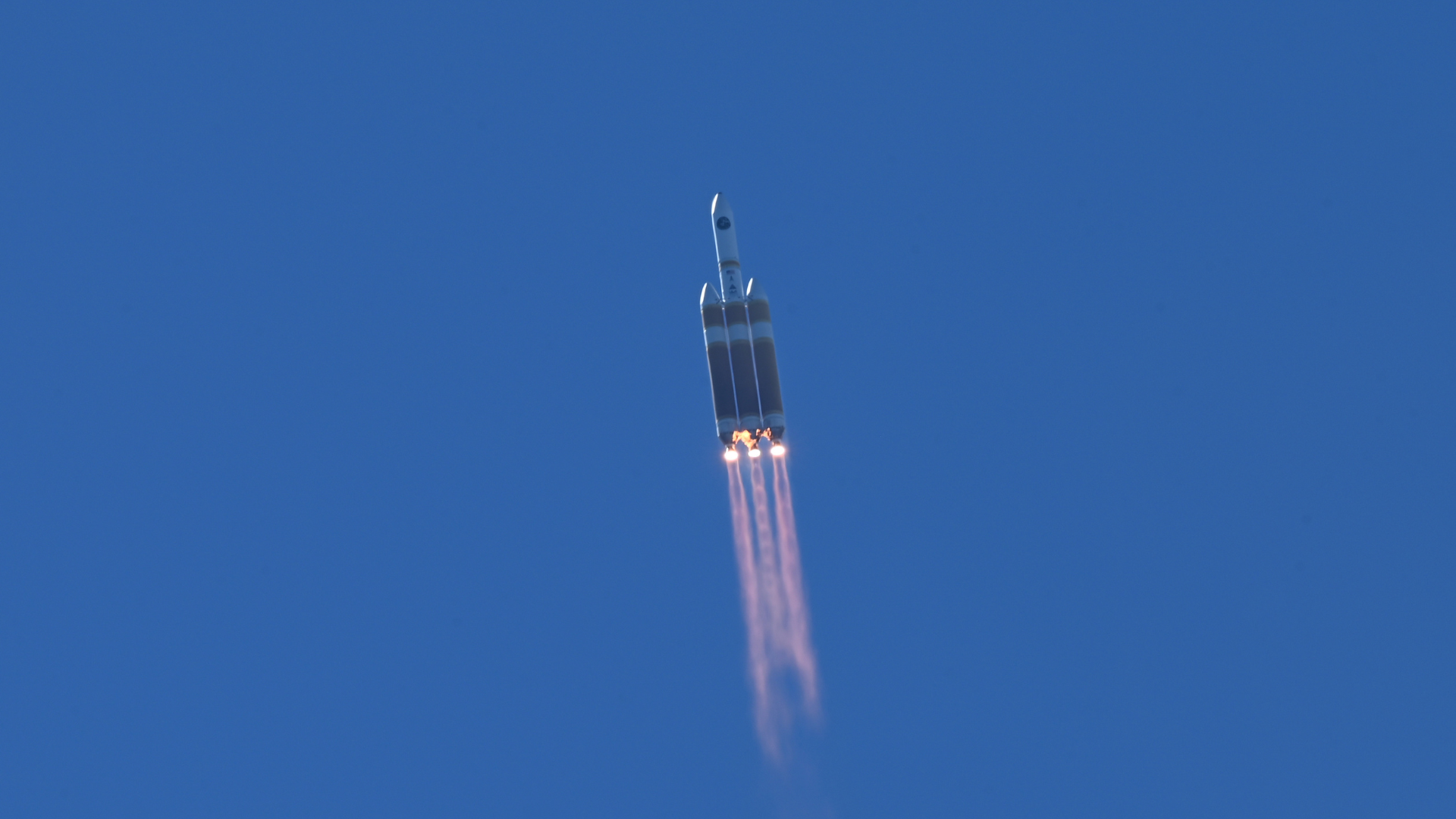
The Air Force plays a key role in defending the US from ballistic missile threats.
Ground-based interceptors and space sensors work in tandem to detect, track, and destroy incoming missiles.
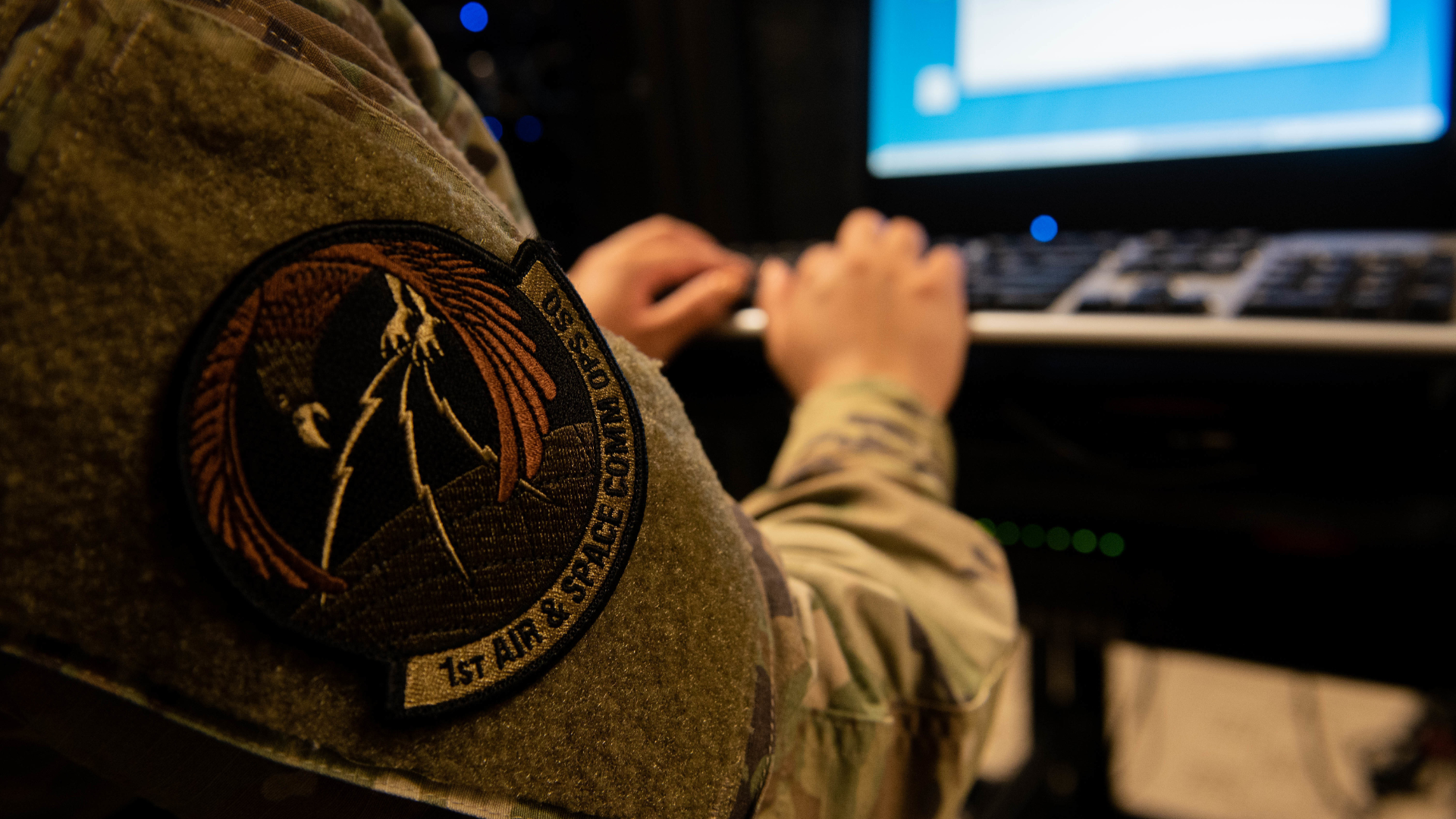
Why Space Matters for the Air Force
The importance of space for the Air Force can be summarized in THREE key points:
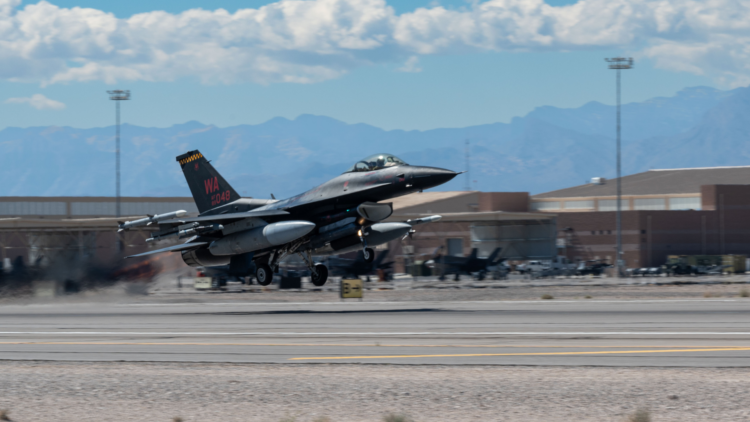
Maintaining Air Superiority
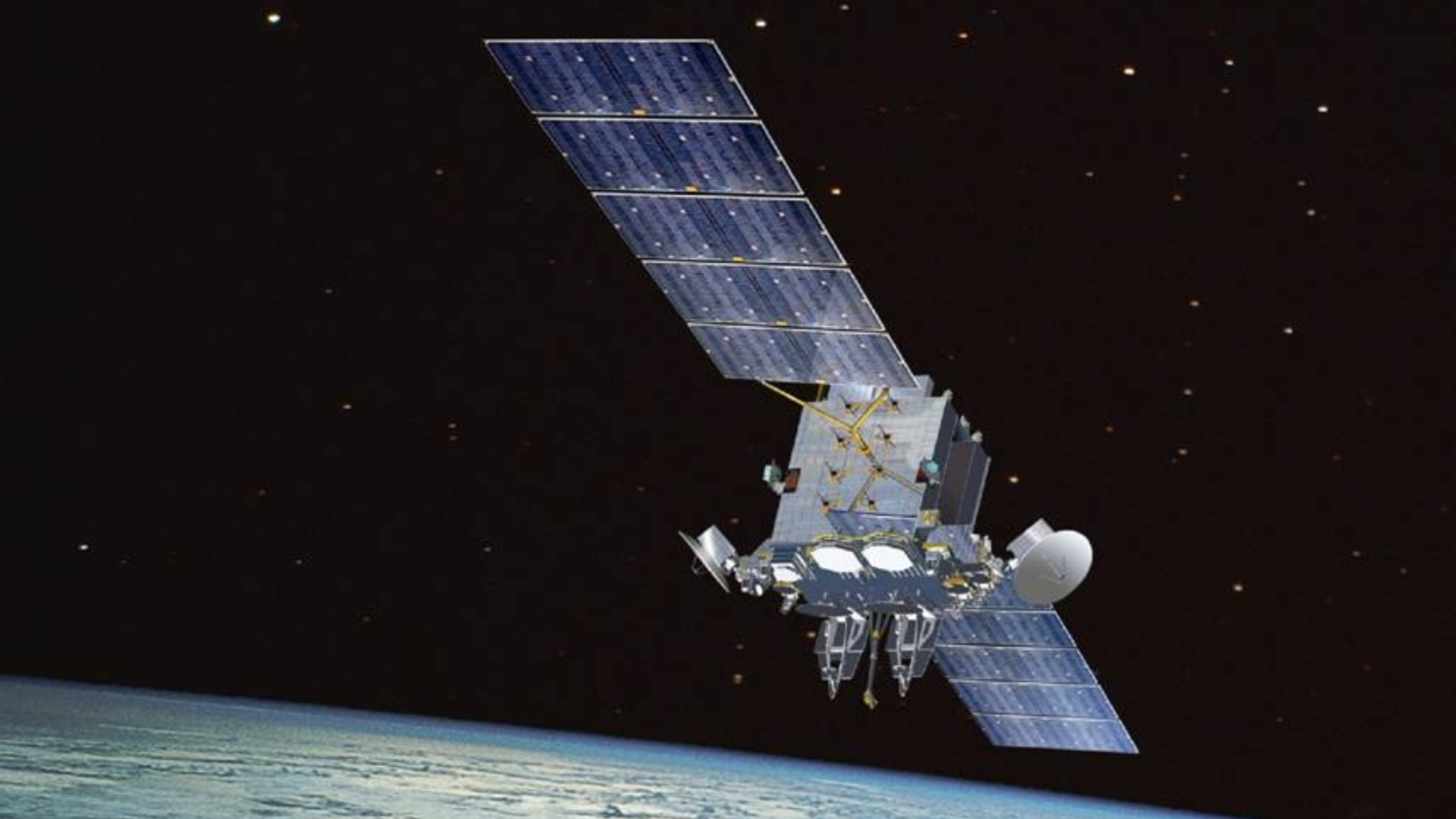
Space-based assets are fundamental to maintaining air superiority. GPS ensures precise navigation for fighter jets and bombers, and communication satellites enable real-time data exchange between aircraft and command centers. Additionally, space-based intelligence gathering helps identify and track potential threats.
Global Reach and Power Projection
The Air Force’s ability to project power globally hinges on robust space capabilities. Communication satellites ensure uninterrupted information flow across vast distances, and navigation systems guide airlift operations, enabling the rapid deployment of troops and equipment anywhere in the world.
Information Advantage
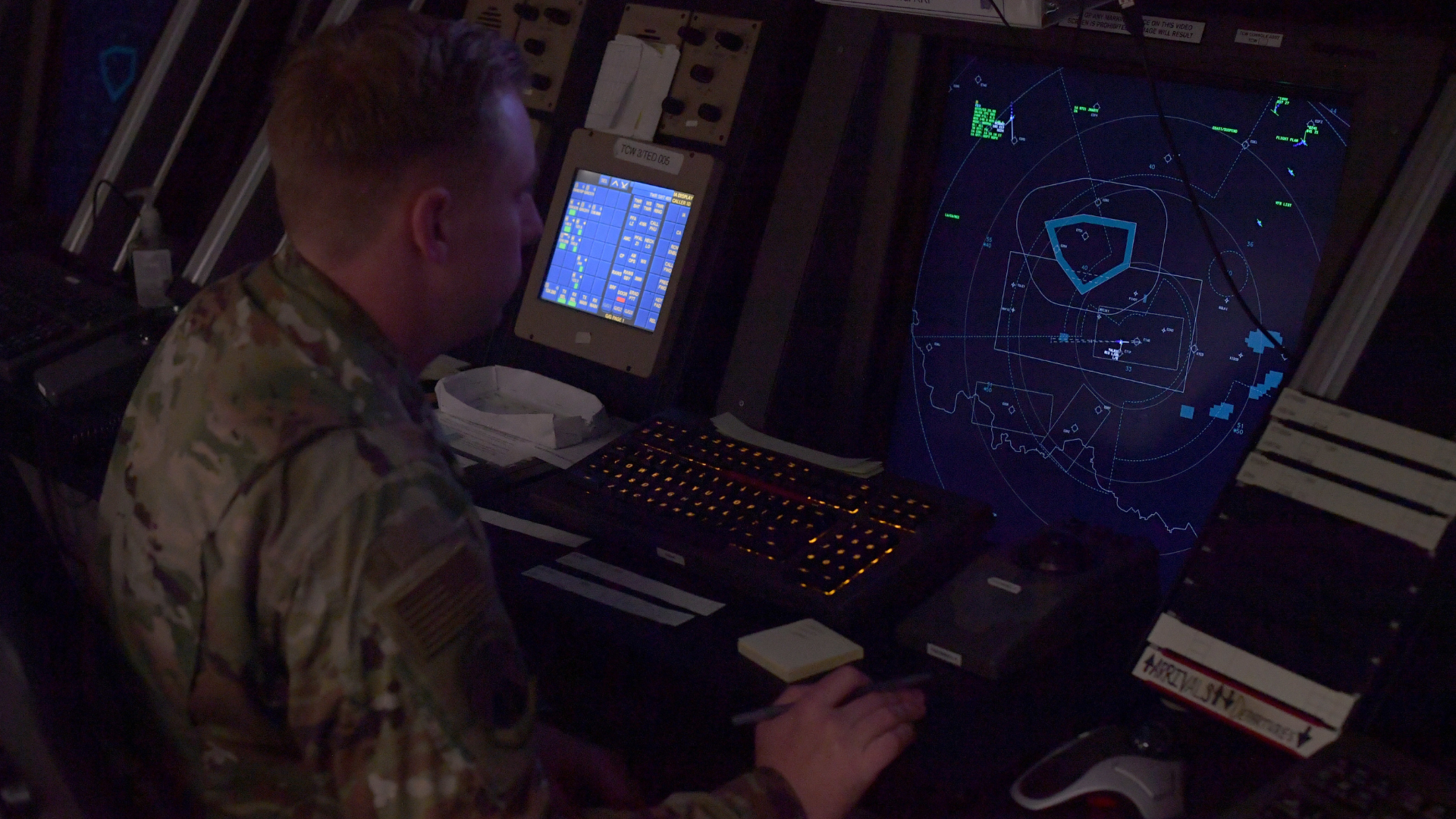
Space-based sensors provide a crucial information advantage. Reconnaissance satellites provide high-resolution imagery of critical areas, aiding in mission planning and target identification. Early warning systems detect missile launches, allowing for timely defensive measures.
The Rise of the Space Force and Evolving Cooperation
The creation of the US Space Force in 2019 marked a significant shift in the nation’s approach to space.
While the Air Force retains a core role in space operations, the Space Force assumes a dedicated focus on space warfighting, space domain awareness, and developing new space capabilities.
This new structure fosters greater collaboration and ensures a more streamlined approach to space dominance.
Challenges and the Road Ahead
The path to space dominance isn’t without obstacles. Here are some key challenges:
- The Growing Threat Landscape: Other nations like China and Russia are actively developing their space capabilities, creating a potential environment of competition and conflict.
- The Need for Innovation: Rapid technological advancements are crucial for maintaining a competitive edge. The Air Force and Space Force must invest in research and development to ensure their space systems remain at the forefront.
- Space Debris and Sustainability: The increasing number of satellites in orbit creates a growing problem of space debris, posing a threat to operational spacecraft. Addressing space debris mitigation and promoting sustainable space practices are critical concerns.
Conclusion: A Force Poised for the Future
The US Air Force’s legacy of aerial dominance is now intertwined with the vast expanse of space.
With its robust space arsenal, focus on innovation, and collaboration with the Space Force, the Air Force is poised to ensure continued American leadership in this critical domain.
As humanity strives to reach for the stars, the Air Force stands as the guardian, ensuring a future where space remains a peaceful and prosperous frontier.
—
Is space the next warzone? Watch this video to see how the military conquered space and the arms race heating up.








COMMENTS