

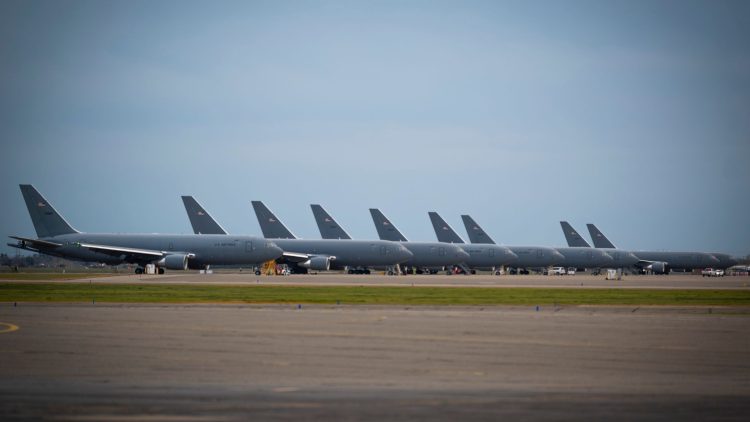
The US Air Force has announced that it will inspect its existing fleet of 89 KC-46A Pegasus tankers, which have been in service since the first delivery of the aircraft in January 2019.
If any similar cracks are found during the inspection, the affected aircraft will undergo repairs before they are allowed to fly again. This proactive approach aims to prevent any operational disruptions and ensure that the KC-46A fleet remains mission-ready.
KC-46 is doomed by multiple problems, likely induced by excessive vibration, causing the failure of multiple components, like the APU door rib failures and fuel system leaks, and incidents during refueling.
But cracks in 2 out of 4 “new”planes? pic.twitter.com/OptteAExNu— André Gonçalves Bidá (@andre_bida) March 1, 2025
Technical and Operational Challenges of the KC-46 Program
The KC-46 program has faced persistent technical difficulties from the outset.
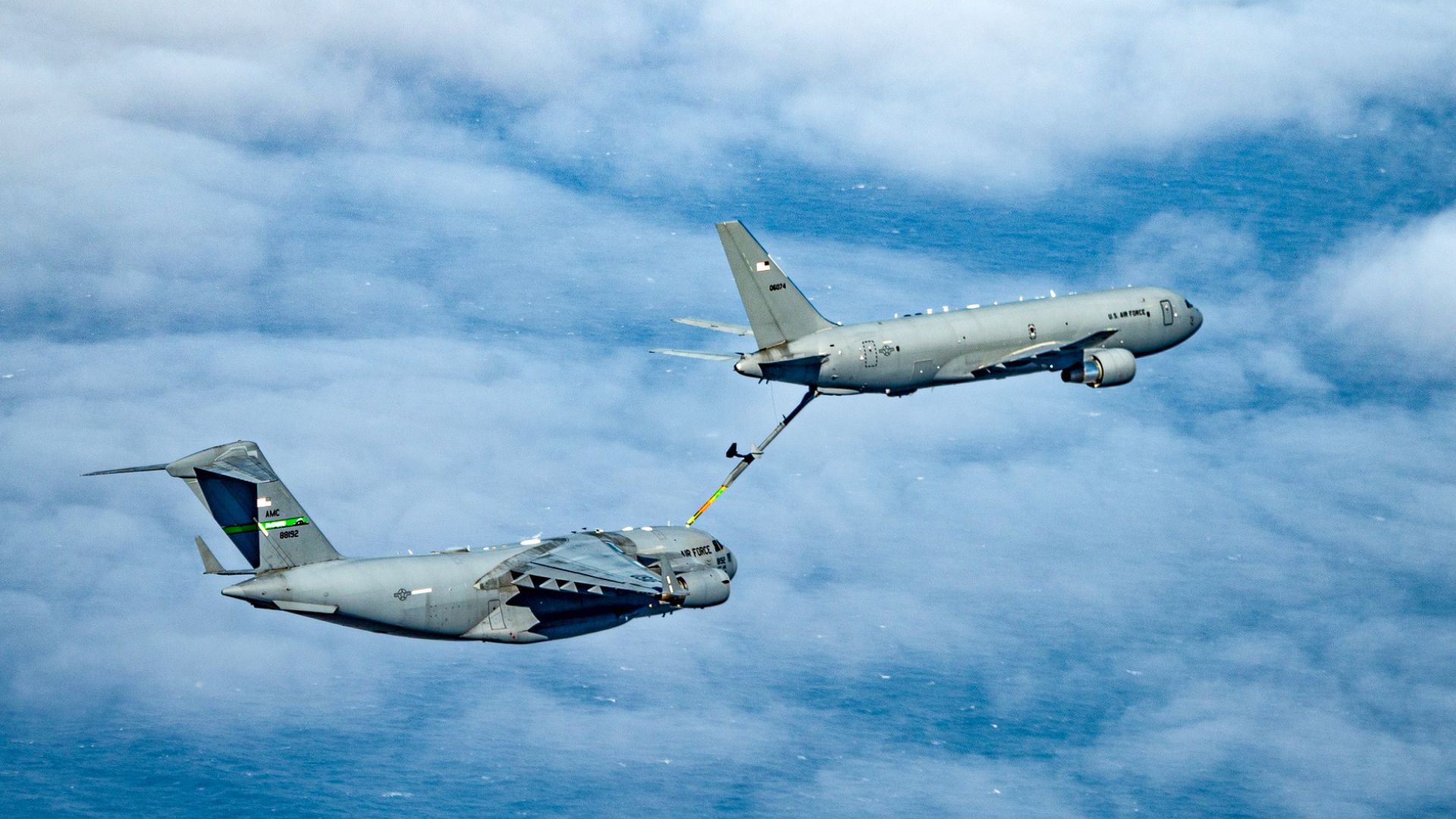
Originally hailed as a solution to replace the aging fleet of KC-135 Stratotankers, the KC-46A Pegasus was expected to enhance the US Air Force’s aerial refueling capabilities and provide a multi-role platform capable of cargo and troop transport in addition to its refueling mission.
However, the program has been plagued by various issues, including problems with the boom, the aircraft’s primary refueling mechanism, and the Remote Vision System (RVS) used by boom operators.
The boom’s stiffness and the RVS’s limitations were particularly problematic, with the latter being found to have the potential to cause operational safety issues and even physical discomfort to operators.
The first @USAirForce #KC46 will be delivered to @22ARW #TeamMcConnell in October. The best of #Boeing are working 24/7 to ensure the Air Force gets them as quickly as possible. pic.twitter.com/3KeC1vdE1v
— Boeing Defense (@BoeingDefense) June 20, 2018
A 2024 Department of Defense report revealed that the KC-46A was not meeting key operational metrics, such as availability and mission capability rates, which were falling below the required thresholds.
The report also highlighted ongoing maintenance challenges, including delays caused by supply chain issues for necessary repair parts. These setbacks have contributed to significant delays and increased costs for Boeing and the US Air Force.
Boeing’s Financial Losses and Impact on the Program
The ongoing technical issues have also had a financial impact on Boeing. In January 2024, the company reported an $800 million loss on the KC-46 program due to higher-than-expected manufacturing costs.
This loss was further exacerbated by a production halt caused by a strike in Boeing’s Seattle-area machinist union, which delayed the production of key aircraft components.
Boeing has acknowledged that the KC-46 program has been a financial burden, and the company has lost billions of dollars since it entered into a fixed-price contract with the US government for the aircraft’s production.
Despite these challenges, the Air Force remains optimistic about the KC-46 program’s future. The service has continued to prepare for the aircraft’s eventual deployment, with several bases already selected to house the KC-46A tankers.
Conclusion
The discovery of cracks in two KC-46A aircraft has led to a temporary halt in the acceptance of new units and triggered a fleet-wide inspection of the 89 KC-46A Pegasus tankers already in service. Although the cracks do not pose an immediate safety risk, they highlight ongoing concerns with the aircraft’s structural integrity and the broader technical challenges that have plagued the KC-46 program since its inception.








COMMENTS