

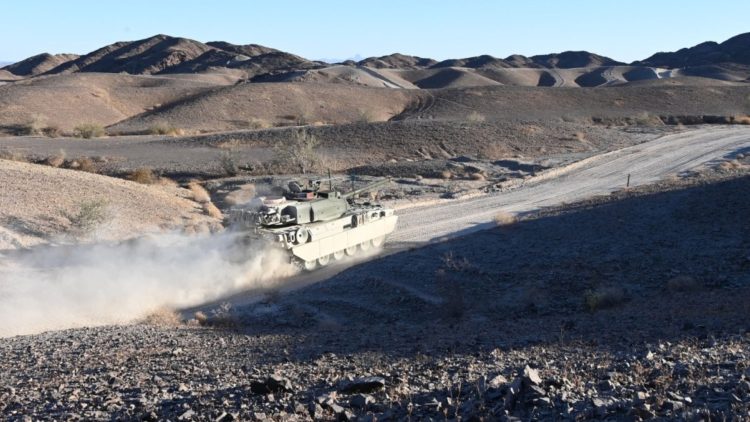
The vehicle’s primary armament is the M35 105mm low-recoil tank gun, a significant upgrade from the Bradley’s 25mm chain gun.
In addition, it is equipped with a 12.7mm M2 heavy machine gun and a 7.62mm coaxial machine gun, offering a versatile range of firepower to engage various targets on the battlefield.
The M10 Booker’s weaponry is supported by a high-performance diesel engine that delivers 800 horsepower, enabling the vehicle to reach speeds of up to 40 miles per hour—impressive for a vehicle of its size and firepower.
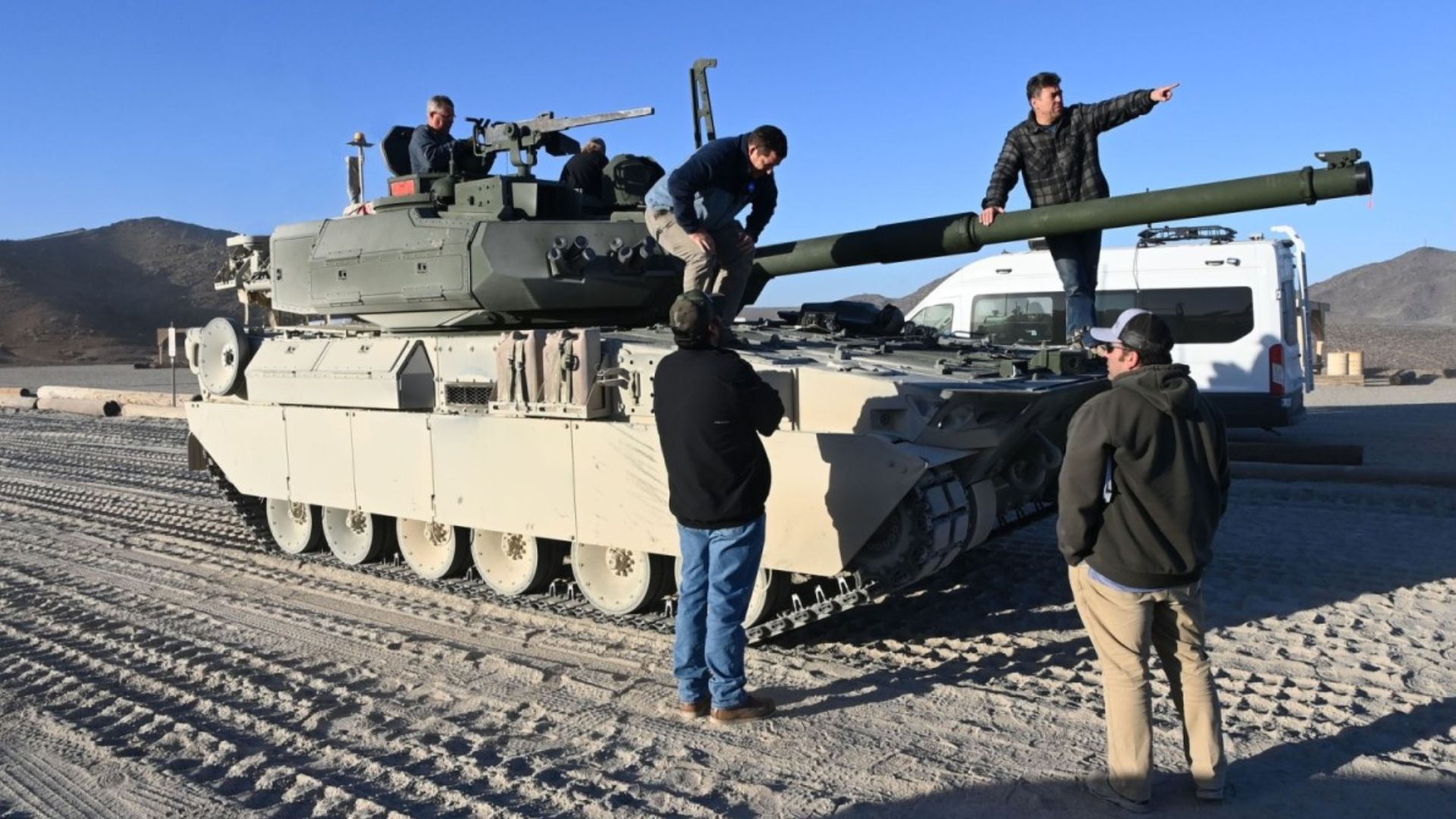
The M10 Booker is designed for a four-person crew, making it more compact and maneuverable compared to other large armored vehicles.
Despite its size, the vehicle is lightweight—comparable in weight to the Bradley Fighting Vehicle—and can be rapidly deployed by infantry brigades. It is compact enough to fit two M10 Bookers in a C-17 transport plane, allowing it to be swiftly mobilized in various theaters of operation.
One of the standout features of the M10 Booker is its advanced hydraulic suspension, which is similar to the high-end running gear tested on Bradley surrogate vehicles in prior trials. This suspension system allows the M10 Booker to handle punishing terrain, steep slopes, and obstacles like water fording basins, all while maintaining stability and reliability.
This rugged mobility makes it ideal for supporting infantry operations in difficult and diverse environments.
Comprehensive Testing at Yuma Proving Ground
The Army’s ongoing testing at Yuma Proving Ground encompasses several critical performance and reliability assessments.
These include test-firing of the vehicle’s weapon systems in both natural environments and cold chambers, ensuring that the vehicle can operate in extreme conditions.
The M10 Booker is subjected to grueling desert road courses, steep inclines, and watery fording basins—all designed to push the vehicle to its limits and evaluate its durability under real-world conditions.
In addition to the standard operational tests, the Army is conducting cold-weather testing at Fort Greely, Alaska, to evaluate the M10’s performance in sub-zero temperatures. This multi-environment testing ensures that the M10 Booker is prepared for any condition it might encounter in the field, from scorching desert heat to frozen tundra.
Personnel from various divisions are actively involved in familiarizing themselves with the vehicle, undergoing training to ensure they are fully prepared to operate the M10 Booker under all conditions. This comprehensive approach is critical for ensuring that the vehicle meets all necessary standards before full-rate production is authorized.
Implications for the Future of the Army
The M10 Booker represents a major leap forward in the Army’s efforts to modernize and enhance its infantry combat capabilities. By combining firepower, mobility, and durability in a highly compact form, the M10 Booker fills a crucial gap in the Army’s vehicle lineup.
It will provide infantry units with the heavy support they need without sacrificing speed and mobility, making it a game-changer in modern warfare.
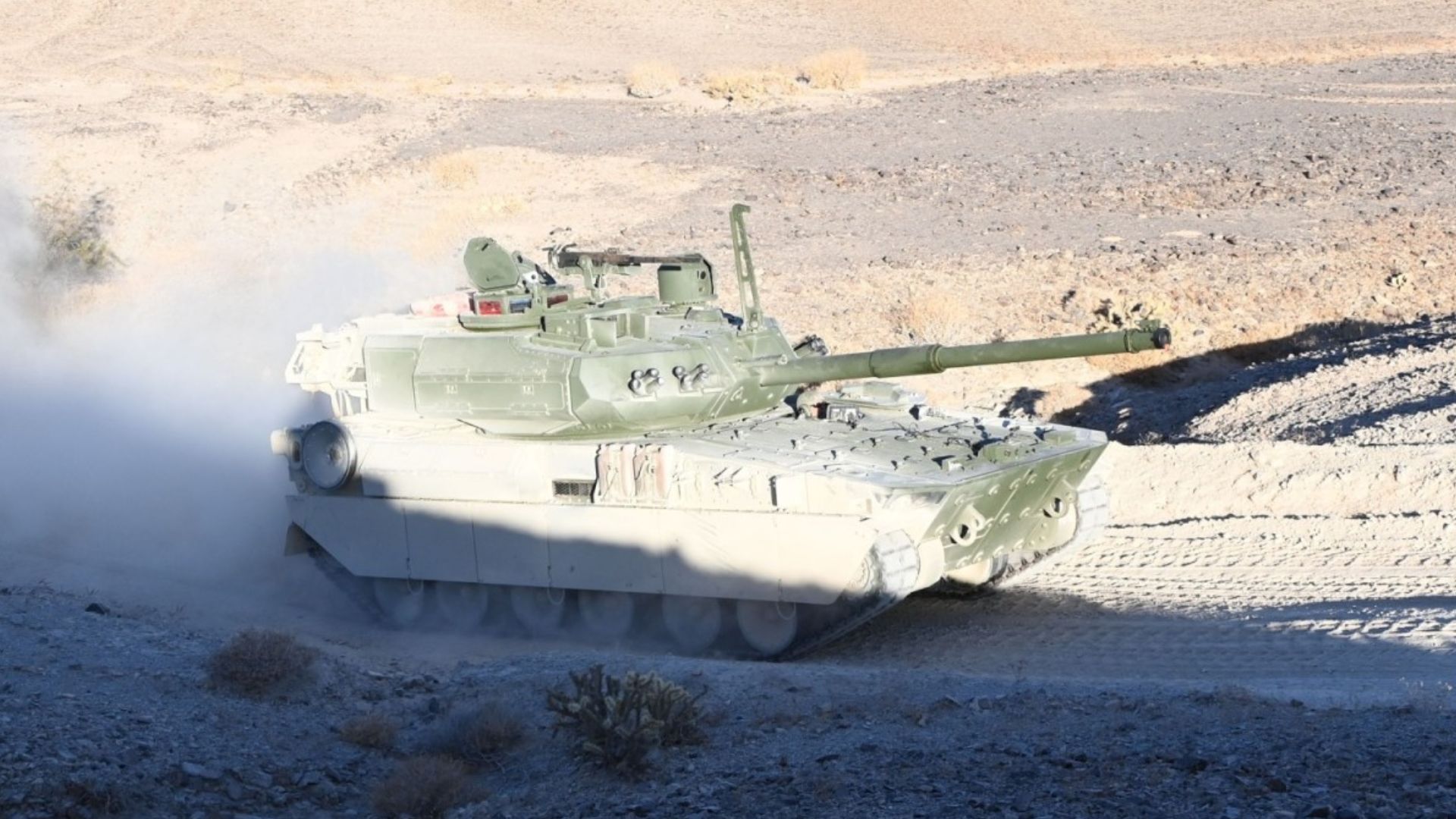
This vehicle’s capabilities align with the Army’s strategic goal of enhancing its ability to deploy rapidly and operate in diverse, high-intensity combat environments.
With over 500 vehicles planned for acquisition, the M10 Booker will play a pivotal role in future combat operations, enhancing the Army’s ability to conduct dynamic, fast-paced operations in a variety of terrains and conditions.
Furthermore, the M10 Booker serves as a symbol of the Army’s commitment to modernizing its equipment and staying ahead of the technological curve.
The continued testing and refinement of this vehicle demonstrate the Army’s dedication to ensuring that its forces are equipped with the best tools for the job, ultimately enhancing the effectiveness and safety of those on the frontlines.
Final Thoughts
The M10 Booker armored infantry support vehicle is an exciting development in the US Army’s modernization efforts. With its impressive weaponry, enhanced mobility, and rugged durability, the M10 Booker will serve as a critical asset for infantry combat units, ensuring they are supported with the firepower and flexibility needed to face future threats.








COMMENTS