

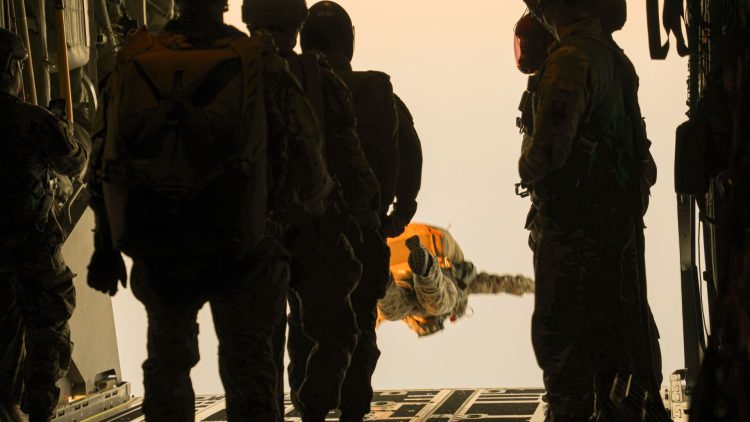
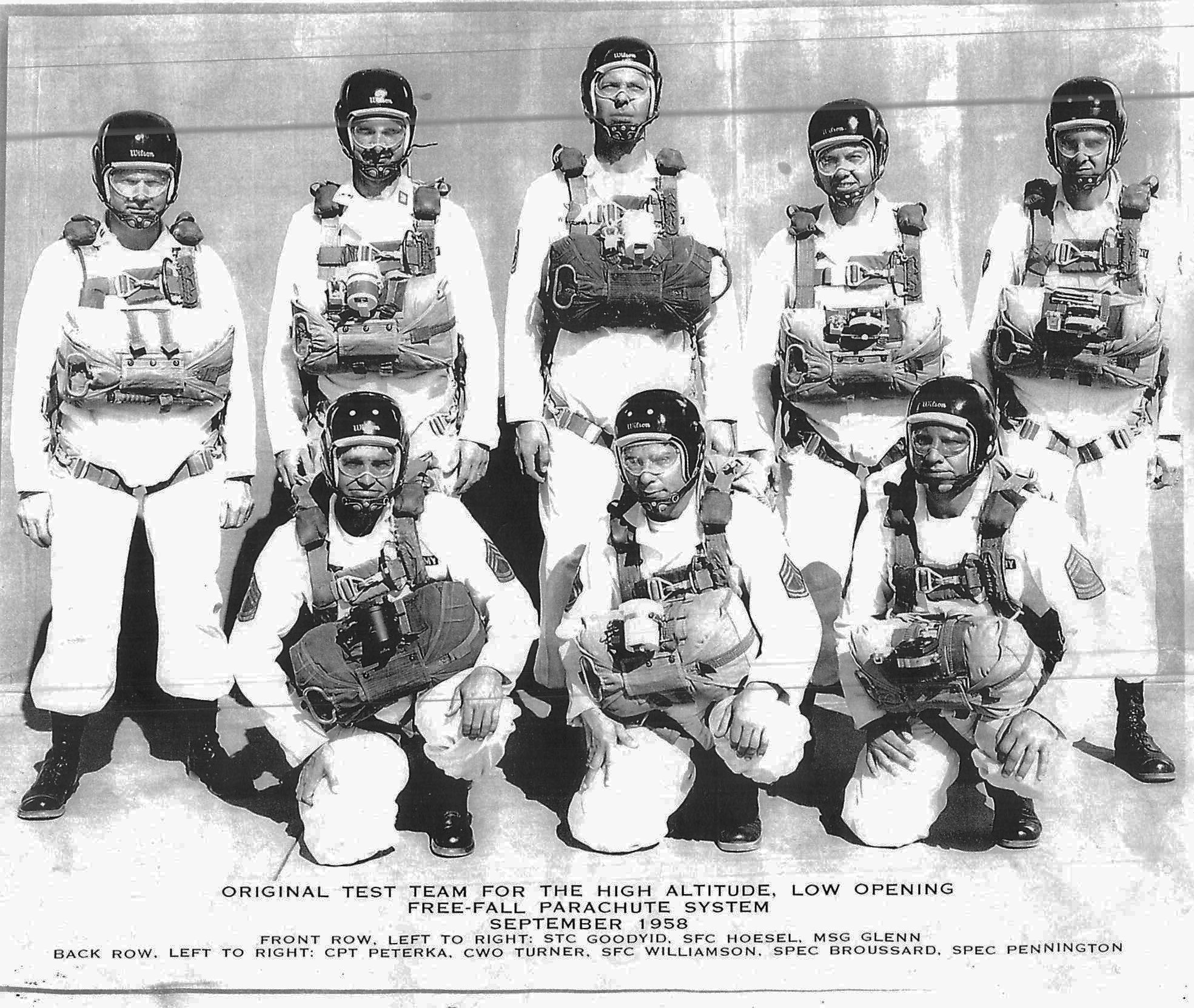
The team’s innovative spirit was further exemplified as they scoured car and boat junkyards for necessary equipment like altimeters, crafting what they needed from what they could find.
Vietnam War: HALO’s First Real-World Application
The Vietnam War became the real-world proving ground for the fledgling HALO technique.
In 1970, a daring six-man Special Forces team conducted the first documented combat HALO jump, infiltrating enemy territory in Laos from a staggering 15,000 feet (4,600 meters).
This covert insertion method offered a significant tactical advantage. By parachuting low and late, HALO jumps allowed for surprise attacks behind enemy lines, a crucial factor in the dense jungle environment of the war.
While still under development, HALO’s introduction in Vietnam marked a turning point in military infiltration tactics.
Legacy, Expansion, and Impact: The Military Free-Fall School
The success of the HALO program led to the establishment of the Military Free-Fall School (MFFS) at YPG.
Over the years, MFFS has expanded to offer several courses, including the Military Free-Fall Parachutist Course and the Advanced Tactical Infiltration Course, among others.
Another technique that emerged was the High-Altitude, High-Opening (HAHO), in which parachutists deploy their parachutes at a high altitude (only seconds after jumping) and glide for a long distance, covering vast areas for covert infiltration. While the exact timeline for its development isn’t readily available, it’s safe to assume it came later due to its reliance on advancements in both parachute technology and operational needs.
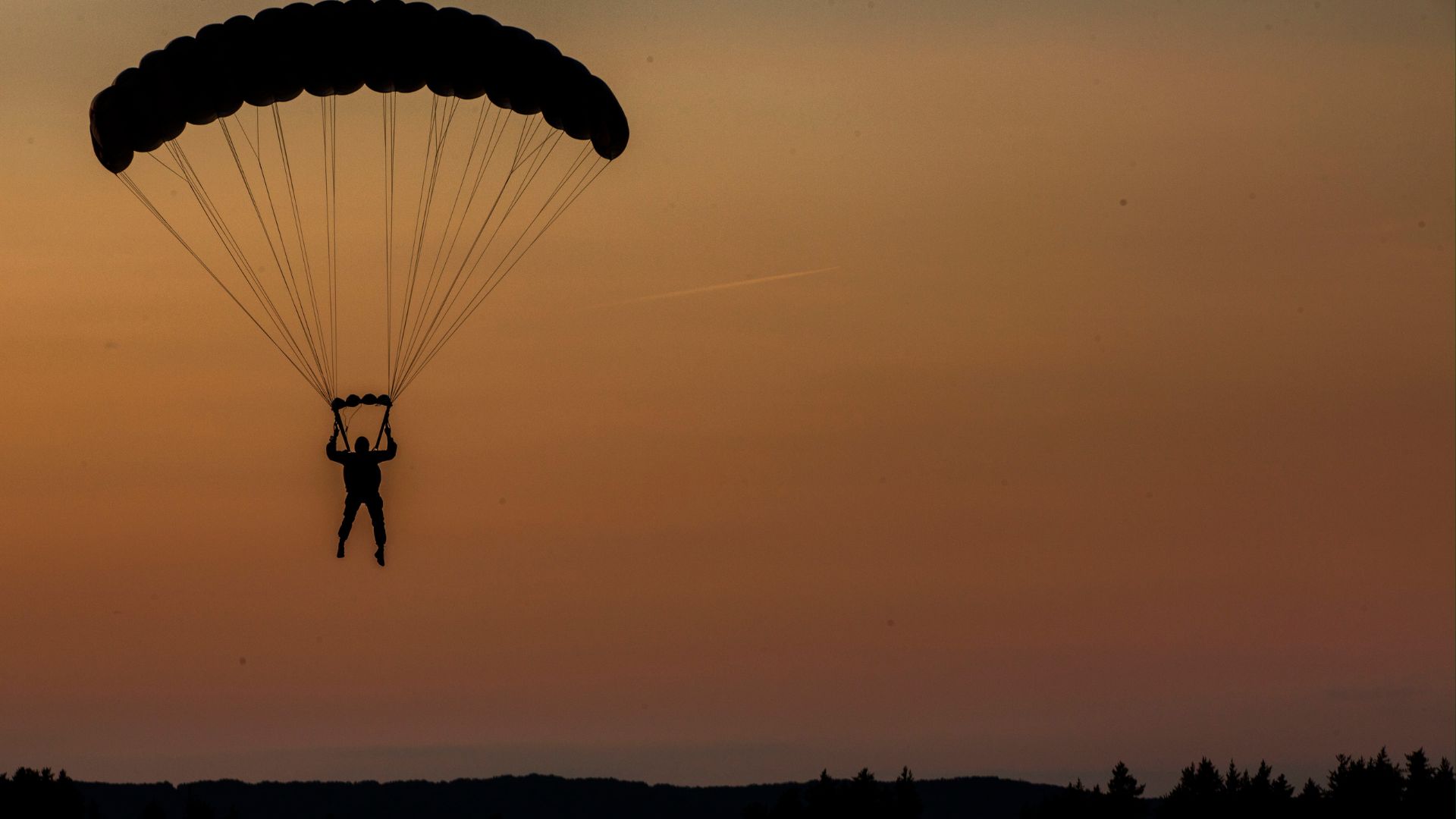
Today, the school is a premier training ground for the military’s most elite paratroopers, featuring the world’s largest vertical wind tunnel and continuing to support operations with a new two-bay hangar for the Special Operations Aviation Command.
The pioneering work of the original HALO team has had a lasting impact on military operations worldwide. By enhancing the stealth and accuracy of airborne operations, HALO jumps have become a critical tactic in the repertoire of the US military and its allies.
The ongoing training and development at MFFS ensure that future generations of paratroopers are equipped with the skills necessary to maintain operational supremacy in the skies.
But MFF’s influence extends beyond the battlefield. Civilian skydiving organizations, with rigorous training programs and specialized equipment like Skydive High, offer HALO-inspired experiences for experienced jumpers seeking a thrilling challenge. This synergy between military innovation and civilian adaptation pushes the boundaries of skydiving safety and technique.
The Pioneering HALO Team’s Lasting Impact on Modern Warfare
From its inception at the Yuma Proving Ground to its current status as a top-tier training facility, the evolution of military free-fall tactics underscores a relentless pursuit of excellence and strategic superiority.
As warfare tactics evolve, the legacy of the HALO pioneers serves as a steadfast reminder of the bravery and innovation inherent in the US military, continually pushing the boundaries of what is possible in defense and tactical operations.
—
Disclaimer: SOFREP utilizes AI for image generation and article research. Occasionally, it’s like handing a chimpanzee the keys to your liquor cabinet. It’s not always perfect and if a mistake is made, we own up to it full stop. In a world where information comes at us in tidal waves, it is an important tool that helps us sift through the brass for live rounds.








COMMENTS