Soldiers currently travel in open craft underwater, which are uncomfortable for long distances.
Read the full article for more on:
Important insights and detailed analysis
Expert commentary on current events
Breaking developments and updates
Updating summary...
The ‘missile sub’ set to take Special Forces soldiers silently into combat
SOFREP News Team
Speed
1x
Listen
COMMENTS
Soldiers currently travel in open craft underwater, which are uncomfortable for long distances.
For Special Forces scuba divers, getting into battle can be uncomfortable, often having to travel in open top submersibles.
Advertisement
However, a new ‘missile sub’ promises to deliver to battle underwater far more easily – and keep them dry when they travel.
Called the Swimmer Delivery Vehicle, it will be built by Lockheed Martin and Submergence Group after winning a $166 million contract to supply the US Special Operations Command (USSOCOM) with a new class of combat submersibles.
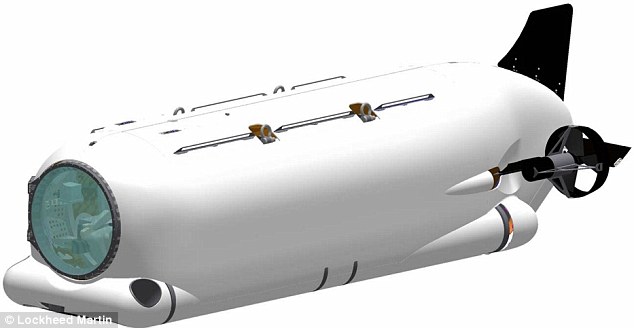
Called the Swimmer Delivery Vehicle, the new craft will be built by Lockheed Martin and will deliver divers into battle far more easily – and keep them dry when they travel. Via Lockheed Martin.
According to Lockheed, the three 30-ton (27-tonne) DCS vehicles that it is contracted to build will allow warfighters to travel deeper and farther underwater than today.
Advertisement
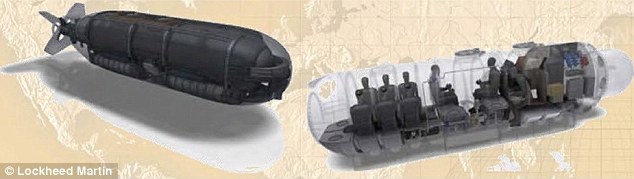
The craft are dry submersibles that support two operators (pilot and navigator) plus up to six swimmers
with the ability to lock them out and in.
‘The dry one-atmosphere environment of these vehicles provides an alternative to traditional wet submersibles being used by the U.S. and international Special Forces communities today, and will deliver operators to their destination in better physical condition to complete a mission,’ Lockheed Martin says.
Advertisement
Instead of sitting in the open, the passengers will sit in a dry, environment as the vessel brings them closer to their destination.
Once at the target location, disembarking is through a lockout chamber while still submerged.
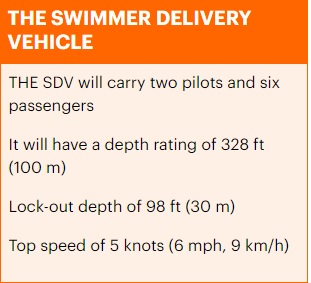
Featured Image – It will carry two pilots and six passengers, have a depth rating of 328 ft (100 m), a lock-out depth of 98 ft (30 m), and a top speed of 5 knots (6 mph, 9 km/h). – Lockheed Martin
For Special Forces scuba divers, getting into battle can be uncomfortable, often having to travel in open top submersibles.
However, a new ‘missile sub’ promises to deliver to battle underwater far more easily – and keep them dry when they travel.
Called the Swimmer Delivery Vehicle, it will be built by Lockheed Martin and Submergence Group after winning a $166 million contract to supply the US Special Operations Command (USSOCOM) with a new class of combat submersibles.
Called the Swimmer Delivery Vehicle, the new craft will be built by Lockheed Martin and will deliver divers into battle far more easily – and keep them dry when they travel. Via Lockheed Martin.
According to Lockheed, the three 30-ton (27-tonne) DCS vehicles that it is contracted to build will allow warfighters to travel deeper and farther underwater than today.
The craft are dry submersibles that support two operators (pilot and navigator) plus up to six swimmers
with the ability to lock them out and in.
‘The dry one-atmosphere environment of these vehicles provides an alternative to traditional wet submersibles being used by the U.S. and international Special Forces communities today, and will deliver operators to their destination in better physical condition to complete a mission,’ Lockheed Martin says.
Instead of sitting in the open, the passengers will sit in a dry, environment as the vessel brings them closer to their destination.
Once at the target location, disembarking is through a lockout chamber while still submerged.
Featured Image – It will carry two pilots and six passengers, have a depth rating of 328 ft (100 m), a lock-out depth of 98 ft (30 m), and a top speed of 5 knots (6 mph, 9 km/h). – Lockheed Martin
Advertisement
What readers are saying
Generating a quick summary of the conversation...
This summary is AI-generated. AI can make mistakes and this summary is not a replacement for reading the comments.










COMMENTS