


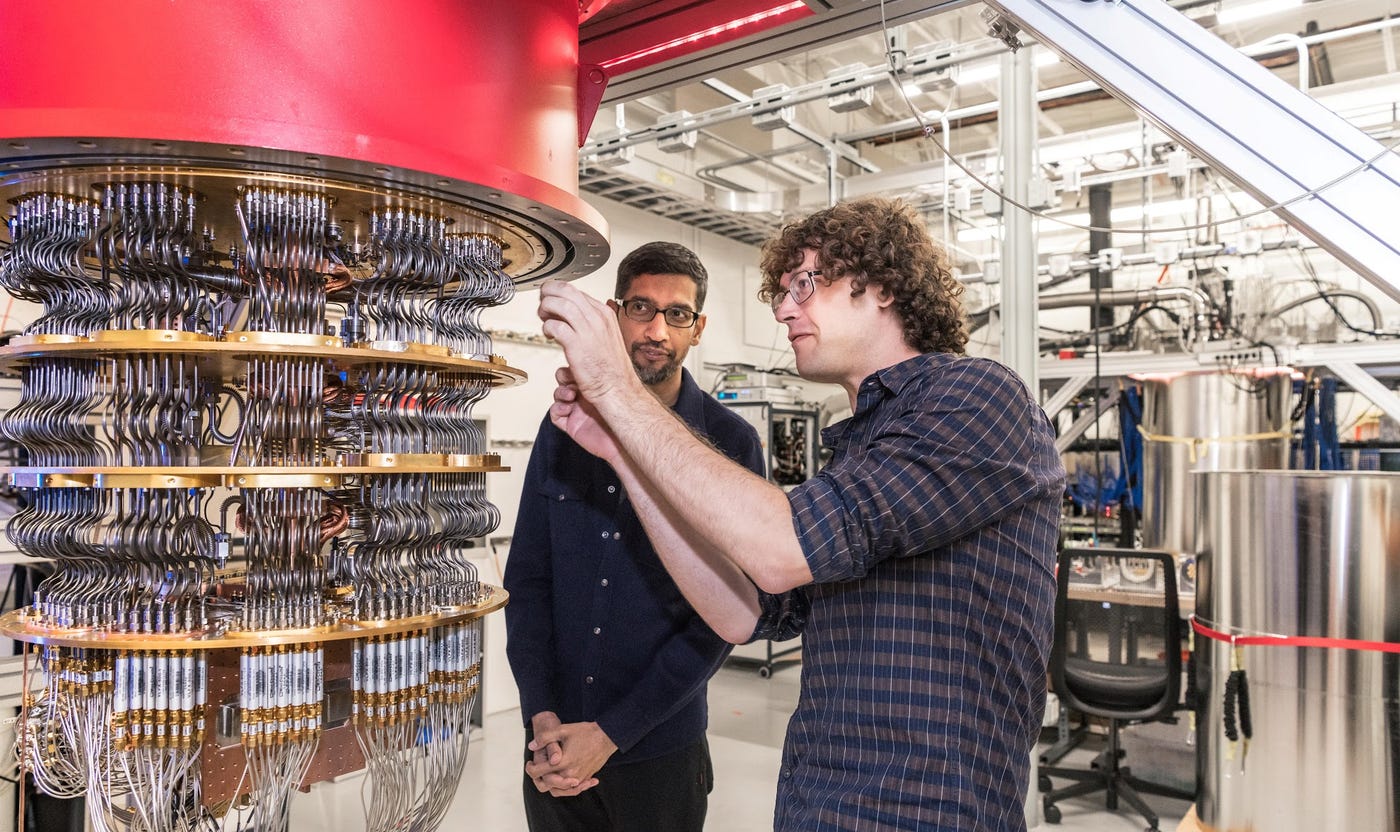
Quantum-related technology has been used in the development of semiconductor microelectronics, the global positioning system, and magnetic resonance imaging.
Quantum technology could also have a critical impact on cryptography, or the encryption and decryption of communications. Were China to gain an advantage in quantum, it could target the essential encrypted communications of the U.S. military, intelligence agencies, and private sector.
“In short, whoever wins the race for quantum computing supremacy could potentially compromise the communications of others,” the NCSC states.
Bioeconomy

Bioeconomy is economic activity related to and driven by research and innovation in biotechnology.
The U.S. bioeconomy improves many aspects of daily life, such as food and healthcare. It can also present a serious threat to national security and even humanity.
China is aggressively collecting domestic and foreign DNA material to gain an advantage in biotechnology and for more sinister reasons. The uniqueness of DNA makes it virtually impossible for a person or group to hide from an oppressive surveillance state like China.
Genomic technology that is designed to treat diseases can also be used against specific individuals or whole populations.
Semiconductors
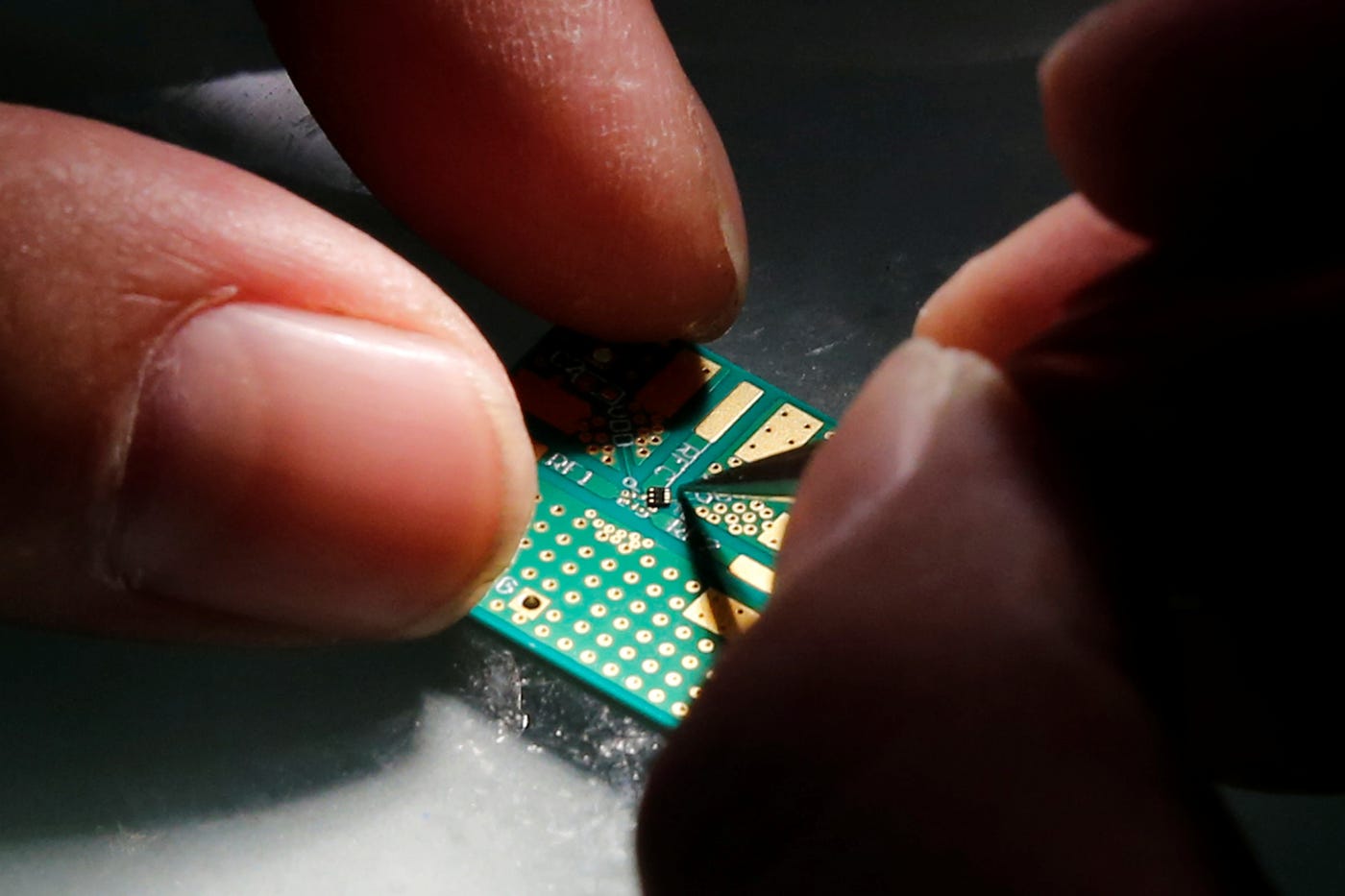
These small pieces of technology have become essential to most aspects of modern life, powering military technology such as satellites and stealth fighter jet and consumer products integral to everyday activity, such as TV and toasters.
The lighter, faster, and cheaper a semiconductor is, the better it is, and global nature of the semiconductor supply chain raises challenges to ensuring steady access for the U.S., which is reliant on Taiwan and China for most of those chips.
Adversaries have targeted the U.S. semiconductor industry, draining talent and resources, and future attacks on that supply chain could further undermine the U.S. economy.
“Since semiconductors are such key components, the fragile supply chain for semiconductors puts virtually every sector of the economy at risk of disruption,” the NCSC says.
Autonomous Systems

Unmanned systems perform tasks without or with limited human intervention or control, though many of them, such as remotely piloted aircraft or unmanned undersea vehicles, require some human involvement.
Such systems can improve productivity and safety for humans, but those systems’ reliance on software, computing, and connectivity creates opportunities for malicious cyberattacks against them. They’re also vulnerable to supply-chain disruptions.
Foreign and malicious actors can also target autonomous systems for intelligence gathering, using malicious software to compromise them.
Beijing and Moscow
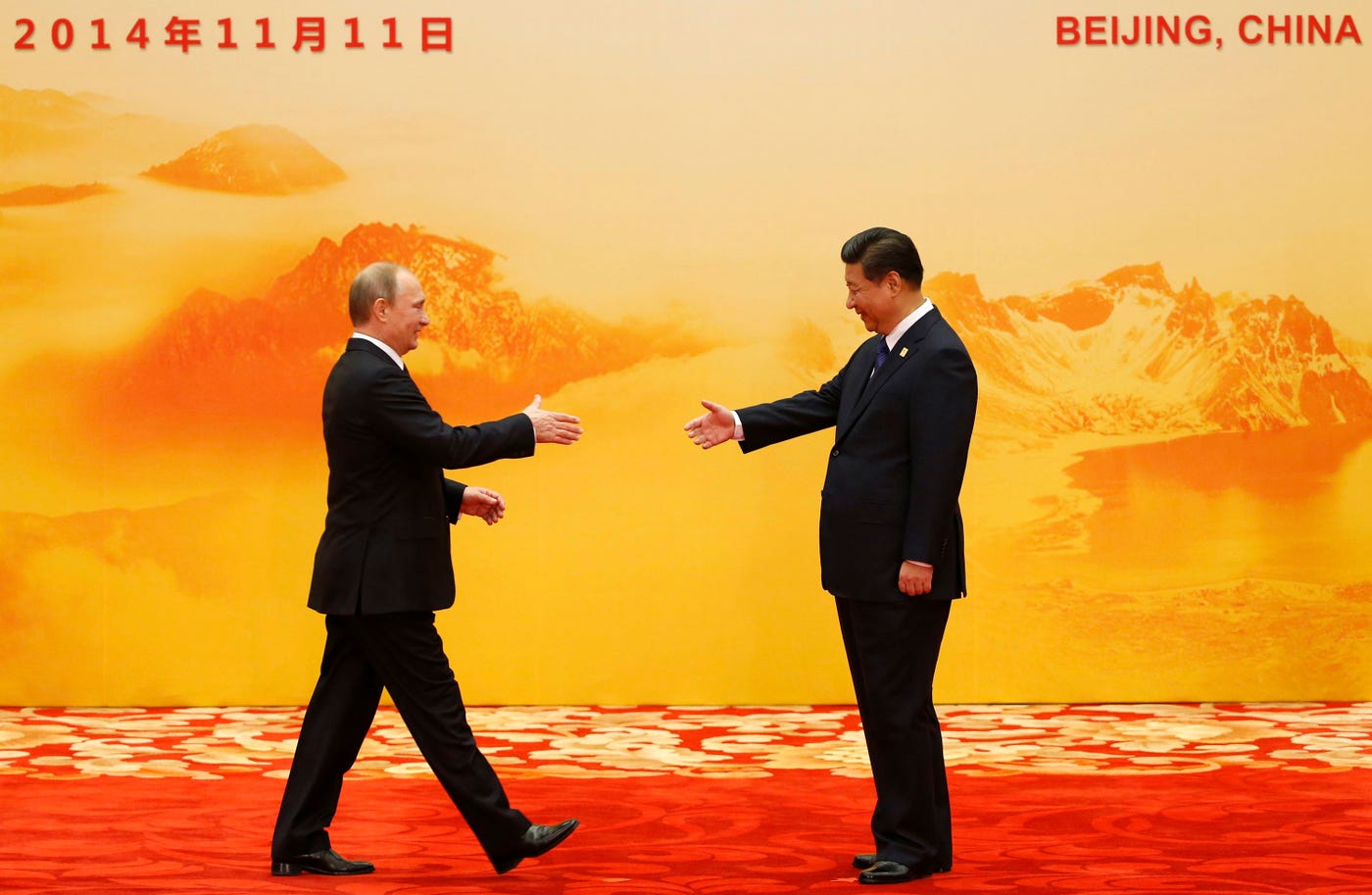
China and Russia are the main threats to the above five tech sectors.
Beijing seeks global leadership in those and other technologies by 2030, and has pursued that goal through several avenues, including legal means and outright theft. The Kremlin also views the development of advanced science and technology as national security and strategic priority.
Both countries employ various methods to get their hands on such technologies, including operations by their intelligence services, investments in private companies, promotion of academic collaboration and research partnerships, and luring top talent.
A transformation in intelligence collection is driving Beijing’s and Moscow’s targeting of these five sectors. During the Cold War, adversary intelligence agencies went after classified military and intelligence secrets, but now they have shifted toward the private sector.
“If you look back 20 years ago, what we were most concerned about was intelligence services targeting the U.S. government for classified information or targeting DOD technologies,” Mike Orlando, acting director of the NCSC, said in an interview earlier this year.
“What we’ve seen over the last 20 years is the shift to private-sector intellectual-property research and development, particularly by China, who has been the most egregious one in stealing those technologies,” Orlando added.
This article was written by Stavros Atlamazoglou and originally published on Insider.








COMMENTS