

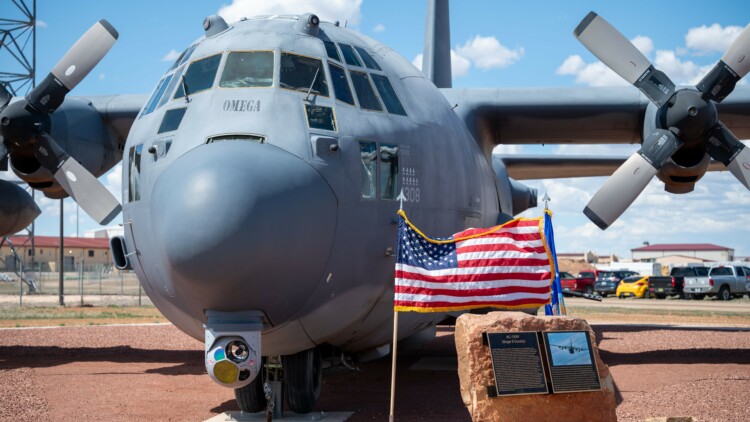
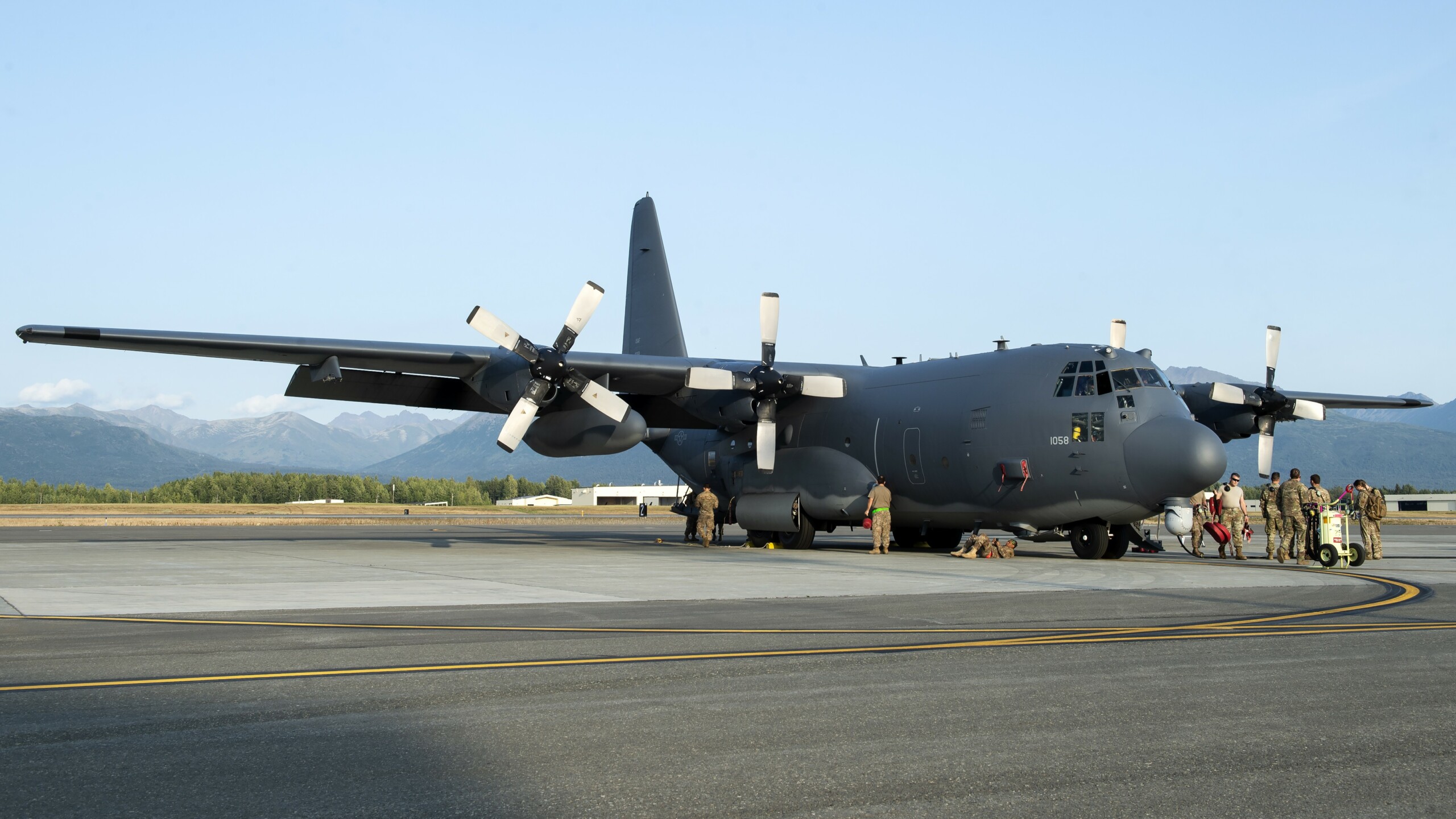
These gunships flew a combined 2,170 combat missions, which adds up to a whopping 15,000 hours in the air.
Imagine all the ground they covered and the support they provided!
During these missions, they unleashed a torrent of firepower, expending nearly 300,000 rounds of ammunition (both 30mm and 105mm) and over 2,000 precision-guided munitions.
That’s some serious muscle!
The Last of the “Whiskeys”
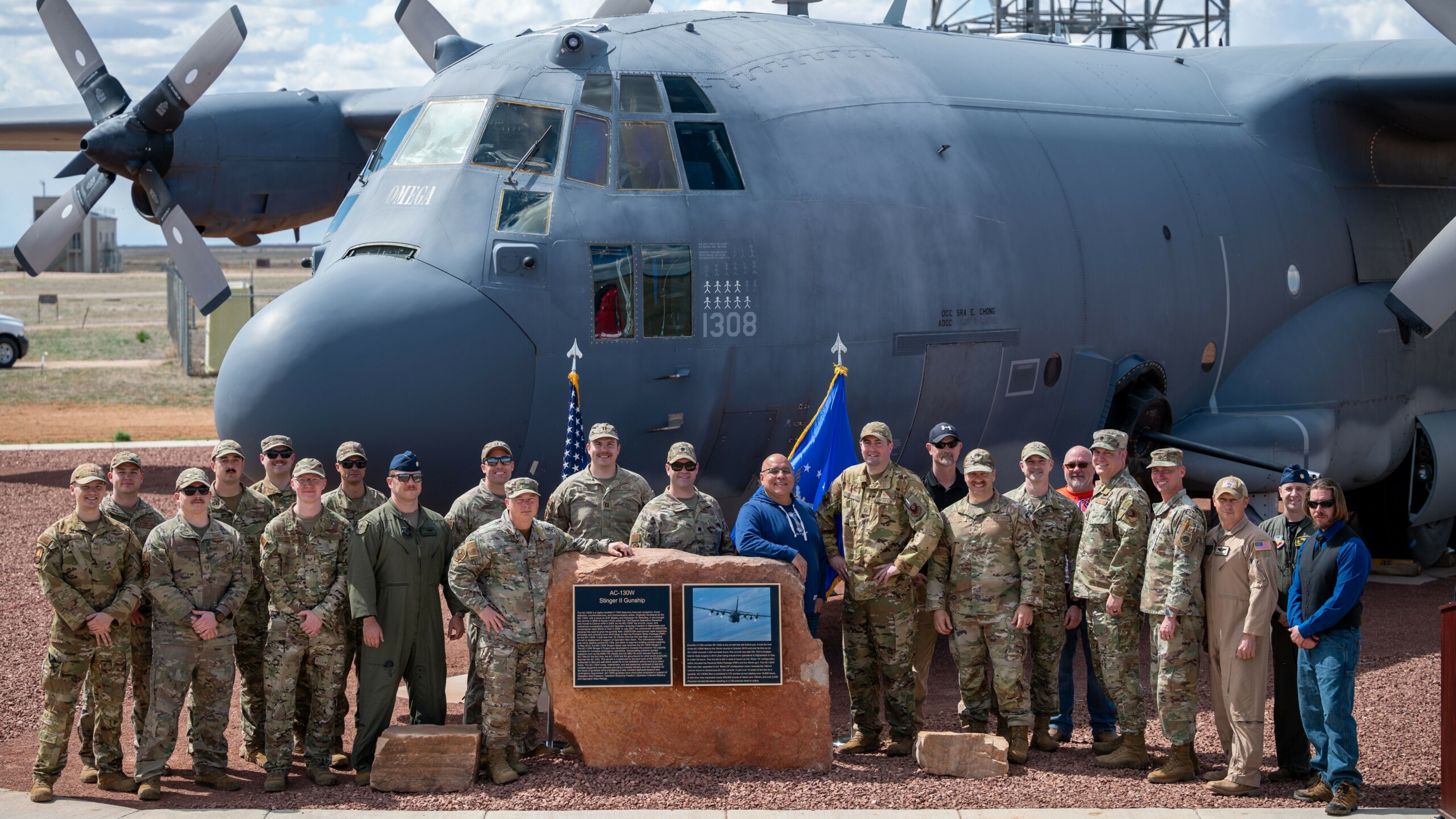
During the ceremony, US Air Force Colonel Kaveri Crum, Deputy Commander of the 1st Special Operations Wing, spoke about the historical significance of Excalibur II.
Crum fondly called it the “last of the whiskeys,” referencing its tail number, and highlighted that while its “eleven friends” (other original Stinger IIs) had already retired, Excalibur II carried on the legacy with pride.
Now, it was finally time for this legendary aircraft to get some well-deserved rest.
“Her eleven friends have long left her to carry on the legacy, but today this aircraft gets a well-deserved retirement and a fitting resting place,” said Crum.
A Pioneer of Aerial Firepower
But Excalibur II wasn’t just a fighter; it was also an innovator. This gunship holds the bragging rights of being the first to use a bunch of cool tech.
We’re talking about being the pioneer for the M2 Laser Designator, the Small Diameter Bomb (SDB), and the Griffin Missile on the Block 10 configuration.
It didn’t stop there!
Excalibur II also paved the way for future advancements by being the first to test the Helmet Mounted Display and integrate Tactical Systems Operator equipment onto the AC-130W platform.
Basically, this gunship was a trendsetter in the world of aerial firepower.
A Place of Honor Awaits
So, what happens to a legendary gunship after retirement? Well, for Excalibur II, it gets a place of honor!
This warbird will be permanently displayed at Cannon Air Force Base as part of the Steadfast Line, ensuring that the memory of the AC-130W program and the brave Air Commandos who flew these powerful machines will live on for generations to come.
It’s a fitting end for a true legend—a legend who not only fought for freedom but also helped shape the future of aerial combat.








COMMENTS