

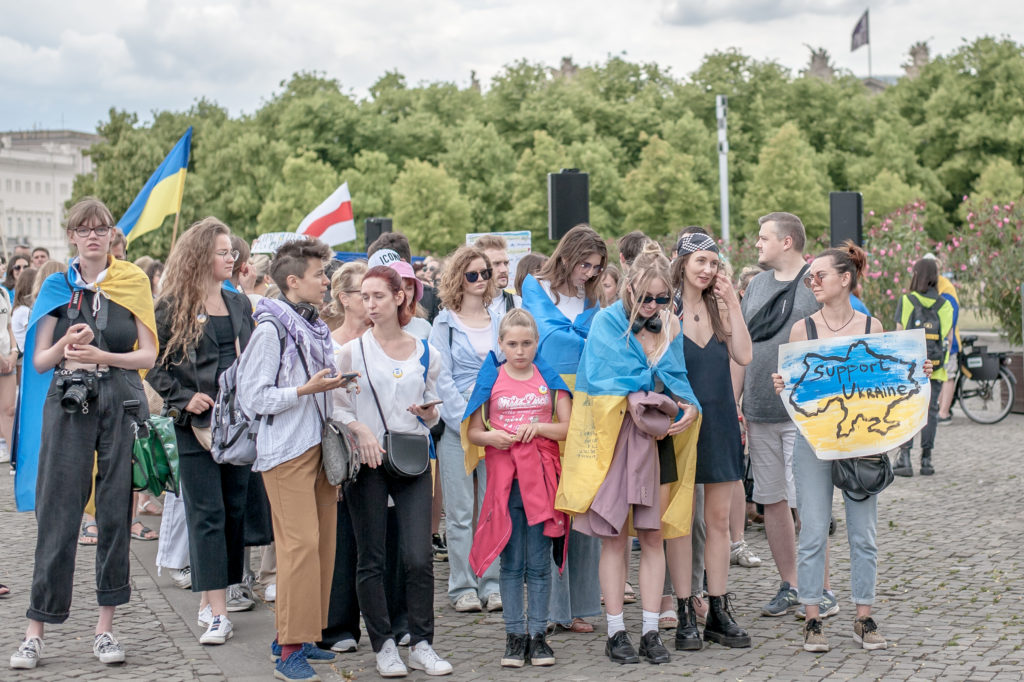
Witness accounts and survivors of “filtration” activities, imprisonments, and forced emigration allege that Russian security forces frequently intimidate, torment, and indulge in acts of torture. Throughout this process, Russian authorities presumably collect and store biometric prints and personal information, subject citizens to intrusive lookups and interrogation techniques, and compel Ukrainian residents into signing arrangements to remain in Russia, which impedes their ability to “freely” return to their home country. Additionally, Russian authorities reportedly subject civilians to intrusive listings and coerced confessions.
People from Ukraine suspected of having links to potentially dangerous institutions, such as the Ukrainian military, territorial defense forces, media, administration, or civil society organizations, were those held in custody or excluded from the search in Russia.
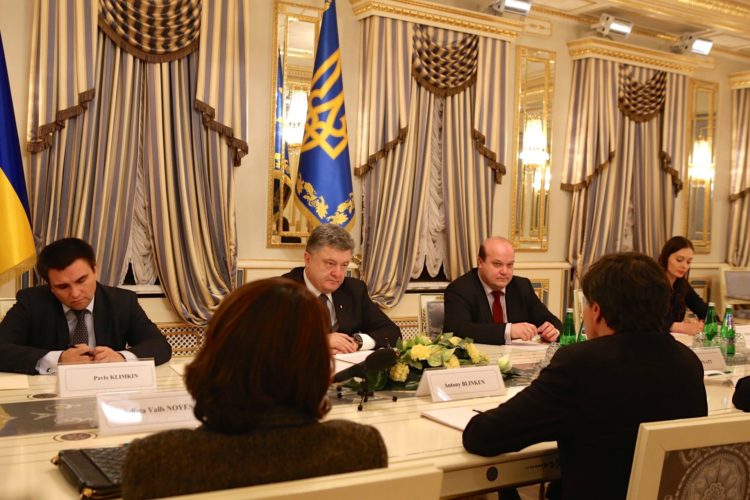
“Those detained or “filtered out” include Ukrainians deemed threatening because of their potential affiliation with the Ukrainian army, territorial defense forces, media, government, and civil society groups,” Blinken said.
Blinken explained that Moscow was responsible for arranging the “disappearance” of thousands of Ukrainian people who did not make it through the inhuman “filtration” phase that was part of the expulsion operation.
He also stated that the Kremlin’s filtration scheme emerges to have been staged and that it is analogous to processes carried out by Russian military forces during other struggles as well as in Chechnya.
The ‘Opposite Step’
Blinken demanded that Russia discharge the Ukrainians, help facilitate their safe return, and permit “outside observers” to supervise the filtration facilities and zones to which Ukrainians were forcefully evicted.
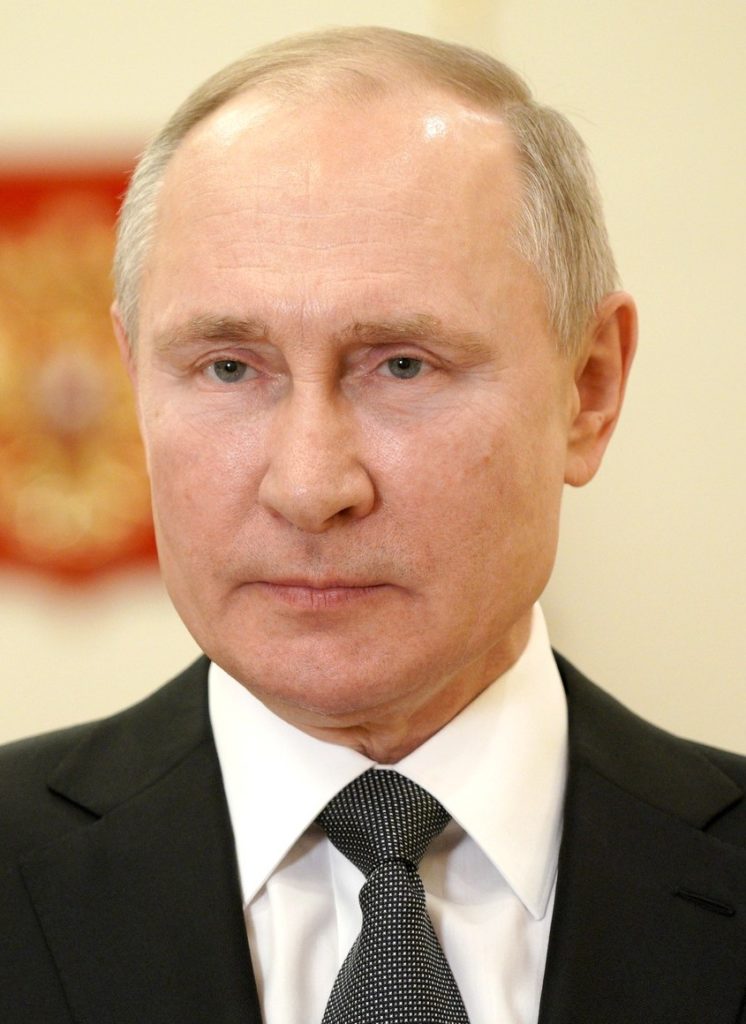
On Monday, Russian President Vladimir Putin made a step oppositely when he signed a new passport directive broadening a golden ticket to Russian citizenship for Ukrainians.
Putin has also lately adopted the Russian ruble as a currency in seized territories as part of his efforts to quash the Ukrainian state and exert Russia’s authority. These measures are part of Putin’s overarching strategy to extend Russia’s influence.
More than 720,000 residents of rebel-held districts in Donetsk and Luhansk, or approximately 18 percent of the population, had gotten Russian passports since 2019, when the system was initially offered for the citizens of Donetsk and Luhansk, and this year.
Moscow’s conflict in Ukraine has allowed it to develop a seamless land border connecting Russia to the Crimean Peninsula, which it annexed from Ukraine in 2014. The legislation constituted a further milestone towards the “Russification” of the two areas.
Citizens of the Zaporizhia and Kherson regions in Ukraine could reap the benefits of the streamlined process beginning at the end of May this year, three months after Russia penetrated Ukraine. It has been stated that the first Russian passports were distributed there around a month ago. However, Ukraine denounced the directive as an affront to the country’s national sovereignty.








.jpg)
.jpg)
COMMENTS