Special Operations

Britain’s 7 Squadron RAF Is the Workhorse of UK Special Operations Aviation

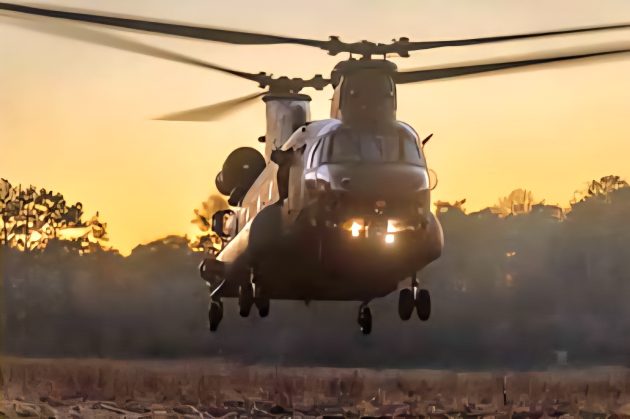
No. 7 Squadron RAF is the RAF’s elite Chinook unit within the Joint Special Forces Aviation Wing, providing heavy-lift night operations and low-level support to UKSF akin to the US 160th SOAR’s Night Stalkers.
When people talk about elite special operations aviation, the conversation usually jumps straight to the U.S. Army’s 160th Special Operations Aviation Regiment. The Night Stalkers earned that reputation the hard way. What gets mentioned less often is that the United Kingdom has its own version of that capability, and it lives inside the Royal Air Force.

Advertisement

No. 7 Squadron RAF does not go after headlines. It goes after objectives.

Operating as part of the RAF’s Joint Special Forces Aviation Wing, 7 Squadron provides dedicated heavy-lift aviation support to UK Special Forces, primarily the SAS and SBS. Its mission set lines up closely with the Night Stalkers’ role in U.S. special operations. Insert the team, resupply them, and get them out. Do it at night. Do it low. Do it without excuses.

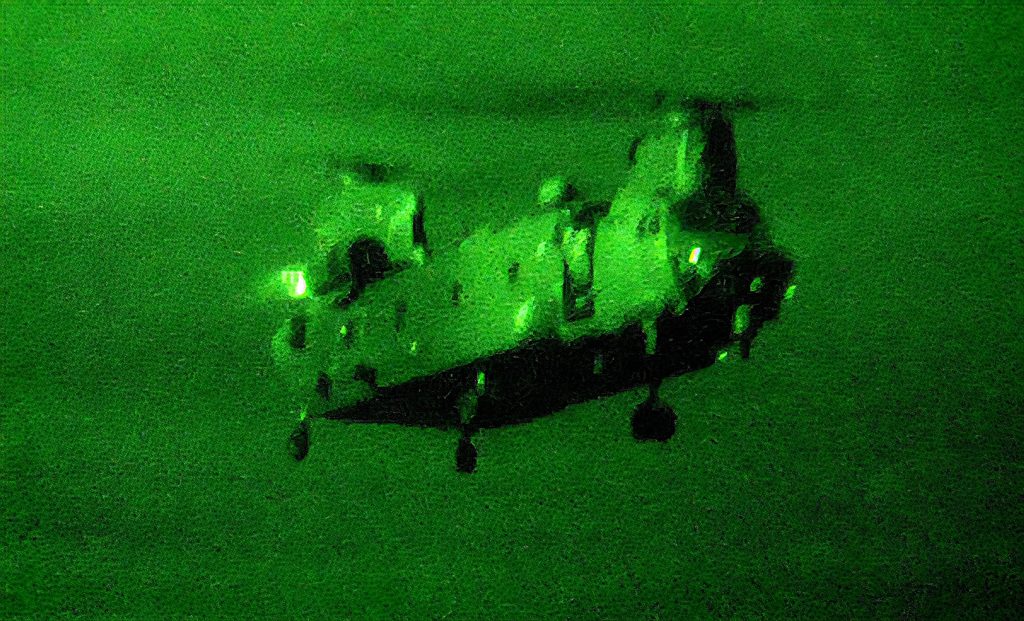
7 Squadron Chinook helicopter through night vision. Image Credit: Ray Jones

The squadron flies modified Chinook HC6 and HC6A helicopters, which are the British equivalent of the U.S. Army’s MH-47G. These aircraft are built for range, payload, and punishment. They haul assault forces, vehicles, fuel, and supplies into places where landing zones are theoretical concepts and maps are suggestions. Like their American counterparts, 7 Squadron crews specialize in night vision goggle operations, low-level, ‘map of the earth’ flying that follows terrain contours, and precision landings in austere environments.

Advertisement

Integration with special forces is the job. 7 Squadron works inside the same planning cycles as UKSF ground units and routinely trains alongside them. Within the Joint Special Forces Aviation Wing, they operate alongside No. 8 Squadron, which flies Pumas in a lighter assault role. Together, they form a British aviation package that mirrors how the 160th supports U.S. Joint Special Operations Command.

Operational history backs it up. During the Afghanistan war under Operation Herrick, 7 Squadron flew sustained combat missions in some of the harshest flying conditions on the planet. High altitude. Dust. Enemy fire. Long nights. The same environment that forged the reputation of U.S. special operations aviation units also hardened this one.

Advertisement

The similarities between 7 Squadron and the Night Stalkers are not accidental. NATO special operations aviation doctrine has converged over decades of shared combat experience. Both units trace their lineage back to earlier transport and pathfinder formations that learned, sometimes the hard way, that special operations forces need pilots who think like operators, not bus drivers.

There are differences, of course. The 160th is larger, more autonomous, and embedded inside the U.S. Army’s special operations structure. 7 Squadron operates under the RAF and within a joint framework. That changes command relationships and scale, not standards. The mission pressure is the same.

What makes 7 Squadron noteworthy is not flashy paint or marketing. It is consistency. These crews fly big helicopters into small, dark places so others can administer violence. When it works, nobody hears about it. When it fails, everybody does.

Advertisement

For readers used to measuring capability by budget size or fleet numbers, that can be easy to miss. It shouldn’t be. If the Night Stalkers are the gold standard, then 7 Squadron RAF is a close cousin that has been running the same playbook under a different flag, in the same wars, for the same reasons.

They are not there to be seen. They are there to make sure the mission happens, at night, on time, and without drama.

Advertisement

You must become a subscriber or login to view or post comments on this article.