
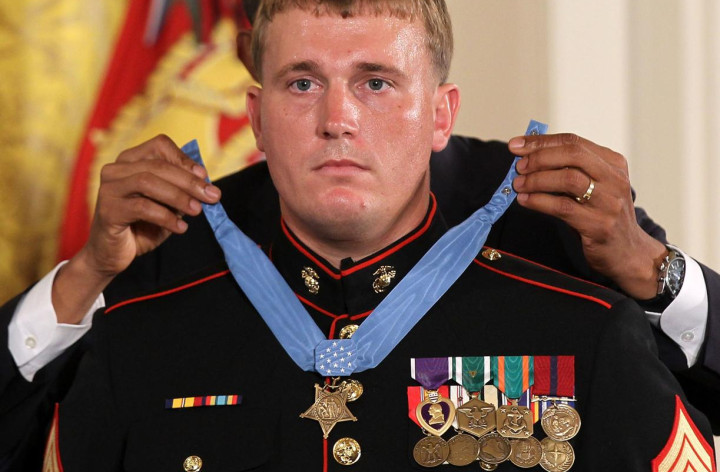
Medal of Honor Monday: Dakota Meyer’s Five Trips Into A Deadly Ambush
A Marine outside the kill zone made a decision, get in or stay out, and Dakota Meyer drove back into the ambush again and again until there was no one left to bring out.
2,144 articles
Latest Military History stories, analysis, and updates from SOFREP.
A Marine outside the kill zone made a decision, get in or stay out, and Dakota Meyer drove back into the ambush again and again until there was no one left to bring out.
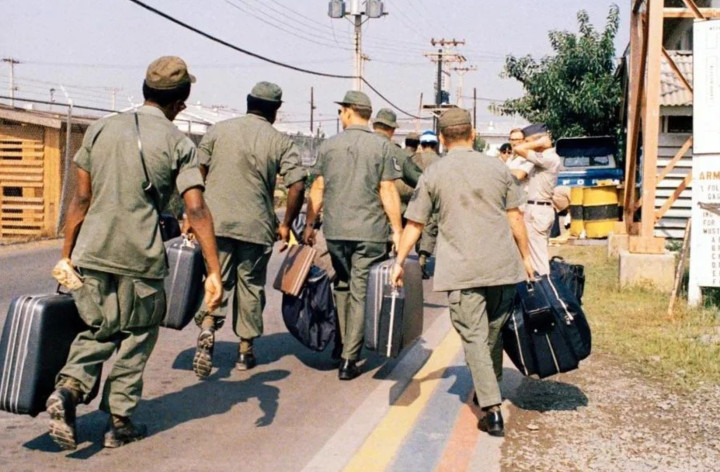
March 29, 1973, saw the last US troops leave Vietnam, leaving lessons of war, strategy, and caution that still shape conflicts today.
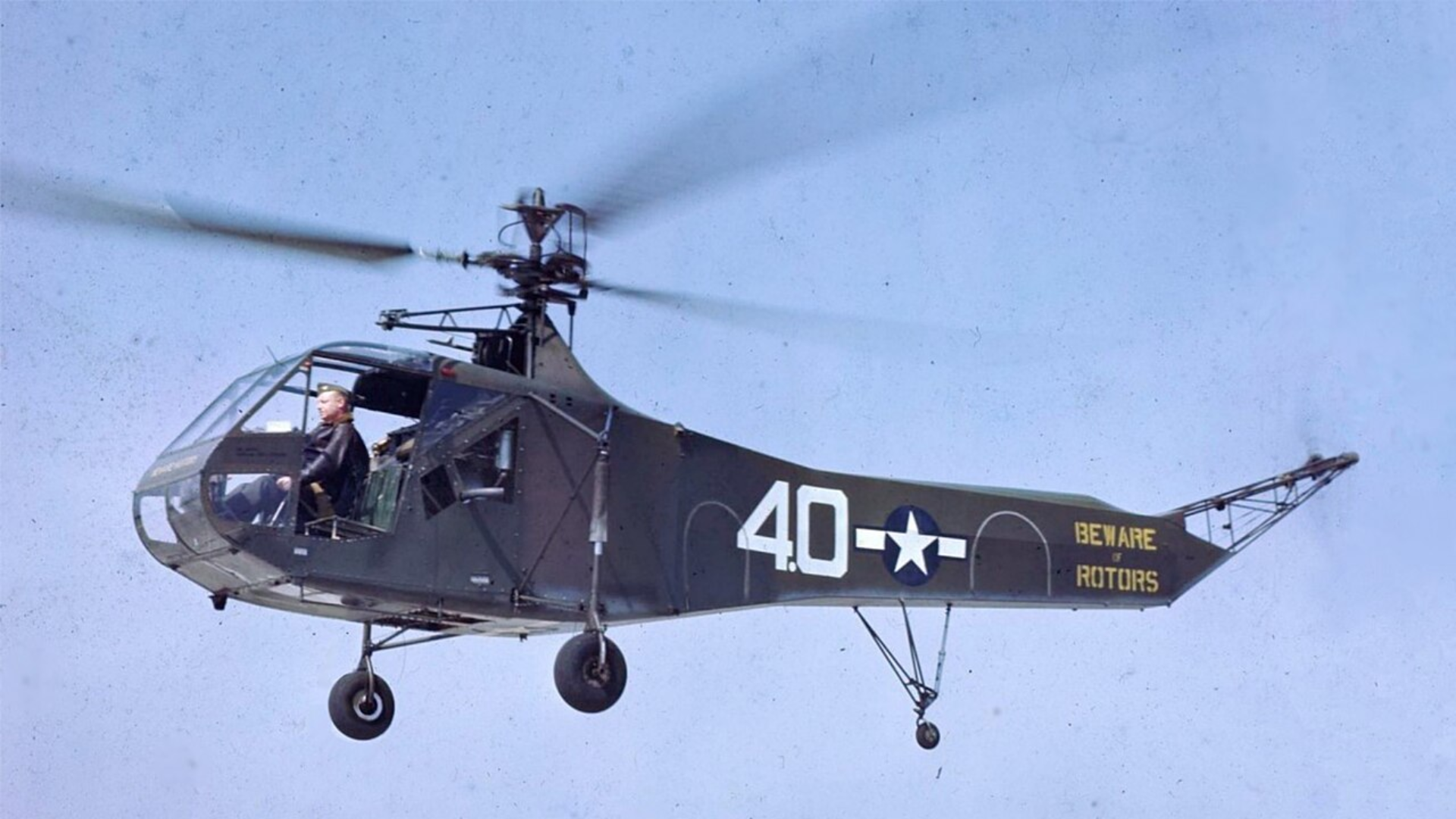
WWII helicopters were used for troop transport, casualty evac, airborne command posts, SAR operations, and attacking ground targets.
A new form of global conflict is already underway, one that fuses conventional warfare with hybrid tactics, emerging technologies, and sustained economic pressure across multiple theaters. From Ukraine to the Middle East, this post modern war is defined less by decisive battles than by endurance, cost imposition, and strategic simultaneity, raising urgent questions about whether Western militaries and political systems are structured to compete over the long term.

It wasn’t chaos, it was order, built step by step by men who never thought they’d lost their way.
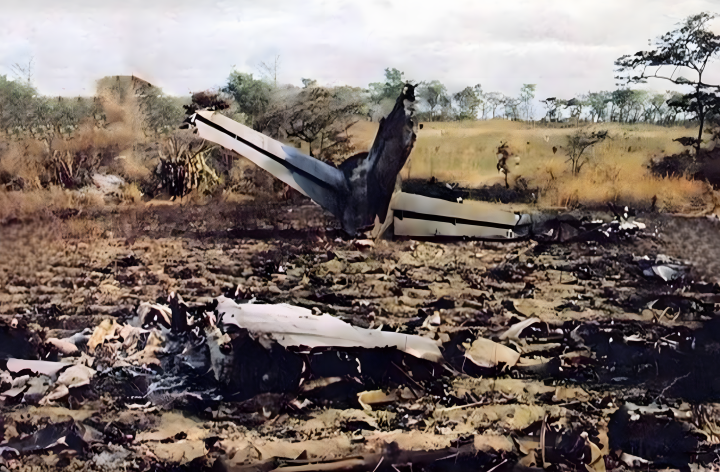
After Flight 825 fell from the sky and its survivors were hunted in the wreckage, the war shed any remaining pretense of moral clarity, exposing a conflict where atrocity was met not with outrage, but with silence.
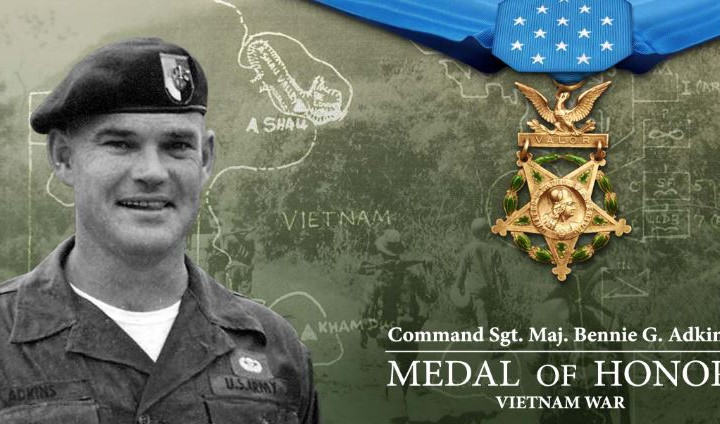
Wounded, outnumbered, and watching his position come apart in the A Shau Valley, Bennie Adkins kept stepping back into the fire, dragging men to safety and holding the line long after it should have collapsed.
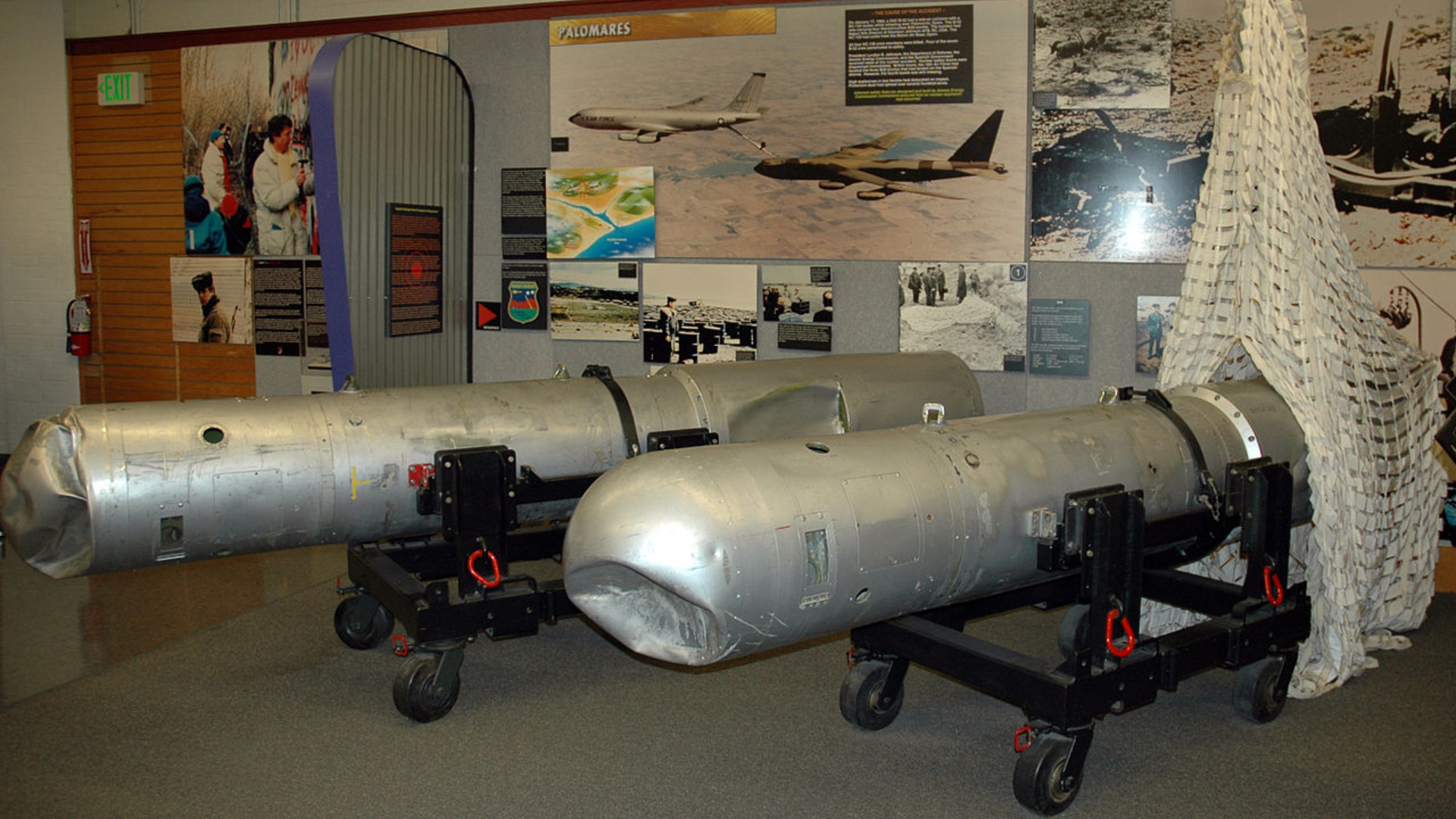
The 1966 mid-air collision of a US bomber carrying H-bombs over Spain sparked a race against time to recover and contain radioactive fallout.
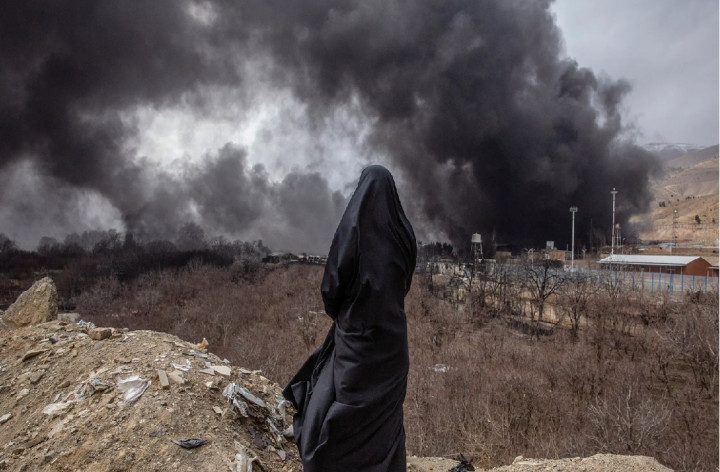
Twenty-three years after Iraq, the United States is back in the Middle East, fighting a war while the character of the conflict shifts in real time. In its first weeks, the Iran war has exposed vulnerabilities in air defense, strained regional infrastructure, and pushed the fight into the information space and global energy markets.
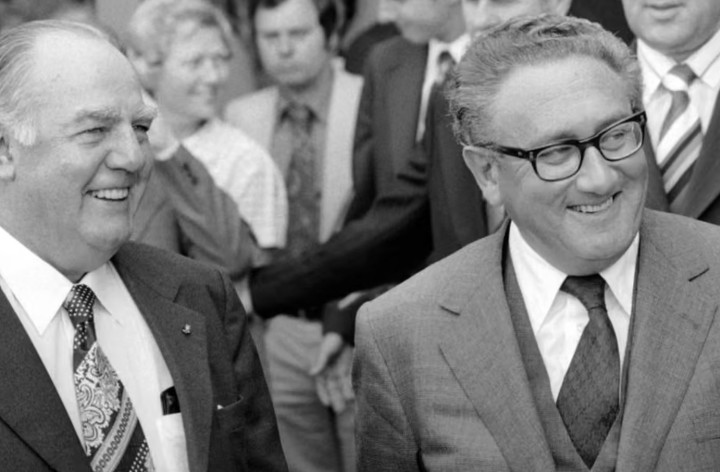
Kissinger’s last viable chance at a controlled transition was killed not on the battlefield but in the moral theater of international politics, clearing the path for a far more violent and uncompromising outcome.
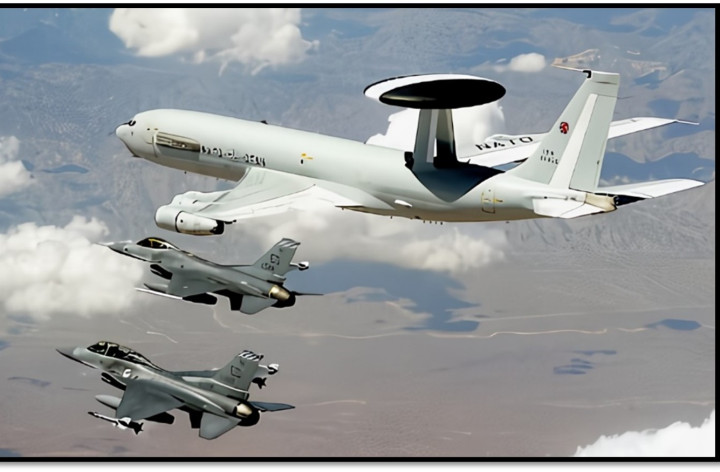
A retired Air Force intelligence officer challenges the official account of United Flight 93, arguing that the evidence, eyewitness testimony, and timeline discrepancies point to a far more troubling possibility, that the aircraft may have been brought down by U.S. fighters in the final minutes of 9/11.
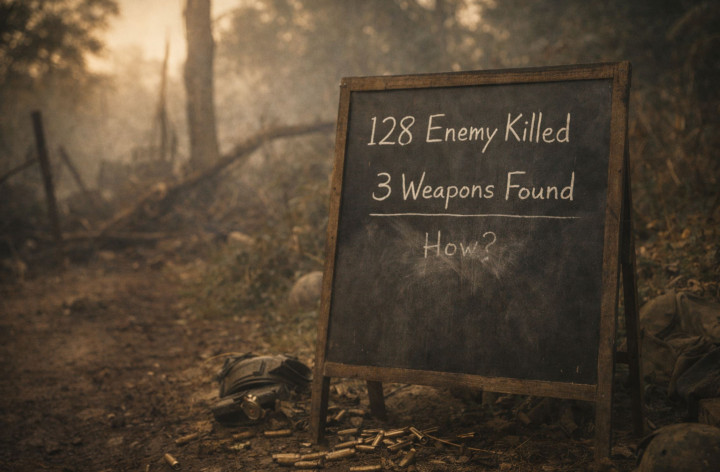
In 1968, the Army reported 128 enemy killed and three weapons found at My Lai. Nobody asked how those numbers made sense, and that failure to ask is the same one we keep repeating every time progress is measured in destruction.

SIG Sauer is a world-class firearms manufacturer trusted by military, law enforcement, and responsible civilian shooters, delivering precision-engineered weapons, optics, and training systems while maintaining a strong commitment to veteran hiring, American manufacturing, and the professionals who rely on their gear when it matters most.

FightCamp is an at-home boxing and kickboxing training system built around real technique, structured programming, and measurable performance. Members train with fighters and professional coaches while using connected punch and kick trackers that record volume, speed, and power in every round. The result is training that builds conditioning, skill, discipline, and resilience — all from home, on your schedule.

Barrett is the world leader in long-range, large-caliber, precision rifle design and manufacturing. Barrett products are used by civilians, sport shooters, law enforcement agencies, the United States military, and more than 75 State Department-approved countries around the world.

Hywell is a premium gear brand specializing in heavy-duty Merino wool boot socks for blue-collar professionals and outdoorsmen. Backed by an ironclad 10-Year Warranty.

Praesidus builds rugged, American-assembled watches inspired by historic military timepieces. Designed for accuracy and tested for endurance, each watch is made for outdoor explorers, everyday adventurers, and anyone who needs reliability when it matters.

Essential Provisions Field Fuel® meals [ready-to-eat] & sports nutrition products have been developed with the cleanest, high-quality nutrient and energy-dense ingredients available. Research has shown that the whole food nutrients contained in our products have the ability to help.

Have you ever tried to wear a fleece hoodie in bad weather? We don’t recommend it. That’s why we founded BÆRSkin in 2019 – to create the world’s best outdoor gear that’s just as comfortable at home as it is durable outdoors. “Bad fitting, bulky, and boring” is how we felt about 1000’s of regular fleece hoodies we tested.

If you’re 21 or older and use nicotine or tobacco, charge ahead with Black Buffalo, America’s only credible smokeless tobacco alternative. Black Buffalo dips just like the real thing without the tobacco leaf or stem. Find Black Buffalo in Wawa, Circle K, Sheetz, Love’s, Pilot, Racetrac, and many more retail locations across the United States.