The Terror Threat Is Back: Practical Security Advice for Americans as Iran Tensions Rise
The terror threat in the United States is back in the conversation. A GWOT veteran offers practical advice on staying alert without living in fear.
2,634 articles
Latest North America stories, analysis, and updates from SOFREP.
The terror threat in the United States is back in the conversation. A GWOT veteran offers practical advice on staying alert without living in fear.
The war with Iran is producing ripple effects across the Middle East and global markets. U.S. diplomats are evacuating Gulf posts, Israeli strikes expand into Lebanon, oil prices surge, and Kurdish leaders warn against opening another front as Washington pushes new alliances abroad.
Iran expanded cross-border strikes against Kurdish militant groups as regional tensions escalate, while U.S. officials say munitions stocks remain sufficient for sustained operations. In the Western Hemisphere, Cuba faces mounting economic pressure amid power outages and a collapse in tourism revenue, while Ukraine offers its drone interception expertise to Gulf states confronting Iranian unmanned threats.
Three U.S. service members were killed in ongoing combat operations against Iran as drone engagements expanded into Kuwait, riots erupted at a U.S. consulate in Pakistan, a downtown Austin shooting triggered a federal terror probe, and Pakistan launched cross-border airstrikes that ignited open fighting with the Afghan Taliban.
Less than 24 hours after a televised promise of nuclear breakthrough and “peace,” bombs fell on Iran, and whether that thumbs-up was theater or the strike was predecided, the sequence raises hard questions about intent, leverage, and the kind of stability long-term security actually depends on.
A reader’s recommendation led me to revisit Charles Mackay’s Extraordinary Popular Delusions & The Madness of Crowds, and the book offers a powerful framework for understanding how financial pressure and crowd psychology are driving the current turmoil surrounding Iran’s collapsing rial.
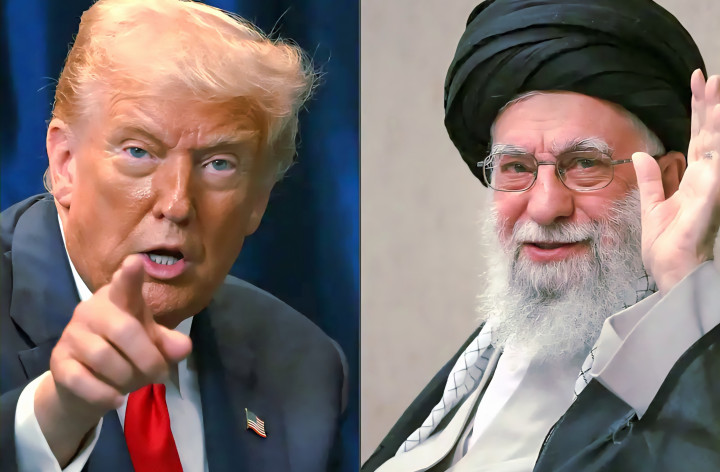
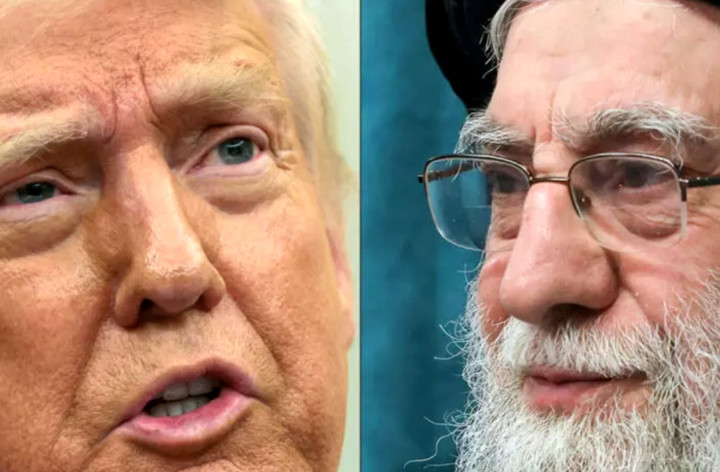
President Donald Trump and U.S. officials confirm that Ayatollah Ali Khamenei was killed during coordinated U.S.–Israeli strikes under Operation Epic Fury, a decapitation-focused campaign that now places Iran in the middle of an active leadership transition amid ongoing regional retaliation.
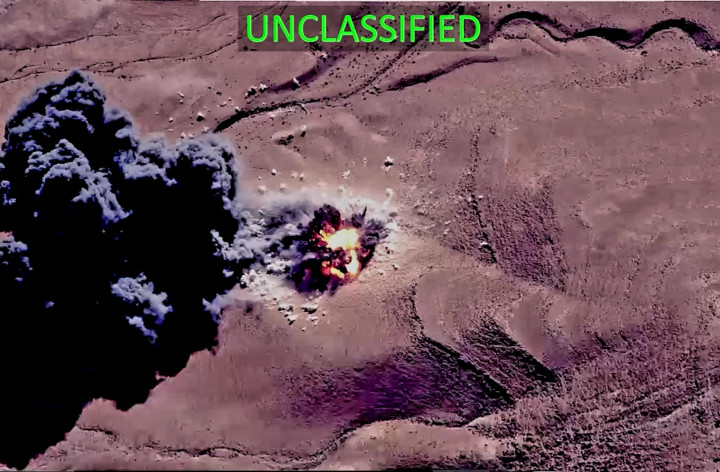
From reported strikes on Ali Khamenei’s compound to ballistic missile salvos arcing over Tel Aviv and Gulf bases bracing under drone swarms, Operation Epic Fury has ignited a multi-domain fight stretching from Tehran to the Red Sea, where confirmation is scarce, interceptors are finite, and the next 24 hours will decide whether this becomes a decapitation strike or the opening phase of a regional systems war.
The United States and Israel launched coordinated strikes on Iran targeting senior leadership and military infrastructure, as Tehran responded with missile attacks on Israel and Gulf states hosting U.S. forces, expanding the conflict across the region.
During World War I, the Canadian Corps earned a reputation for aggressive trench raiding and tactical deception, using routine and psychological disruption as deliberate tools to unsettle German forces along the Western Front.
The United States and Israel launched major combat operations against Iran as Tehran retaliated across Israel and the Gulf, while the Army placed a $186 million order for Switchblade drones, DOD schools saw a leadership shakeup, and West Virginia’s machine gun bill died in committee.
President Donald Trump’s 2026 State of the Union address focused on Iran’s nuclear ambitions, border enforcement and economic policy. Meanwhile, separate reporting shows Russia assessed capable of sustaining the war in Ukraine through 2026 as global defense spending continues to rise.