

Pentagon Bets $15B on Artificial Intelligence to Outthink Adversaries
AI is reshaping warfare, compressing decision cycles and driving a new era of algorithm-driven strikes and cyber operations.
2,090 articles
Latest Technology stories, analysis, and updates from SOFREP.
AI is reshaping warfare, compressing decision cycles and driving a new era of algorithm-driven strikes and cyber operations.
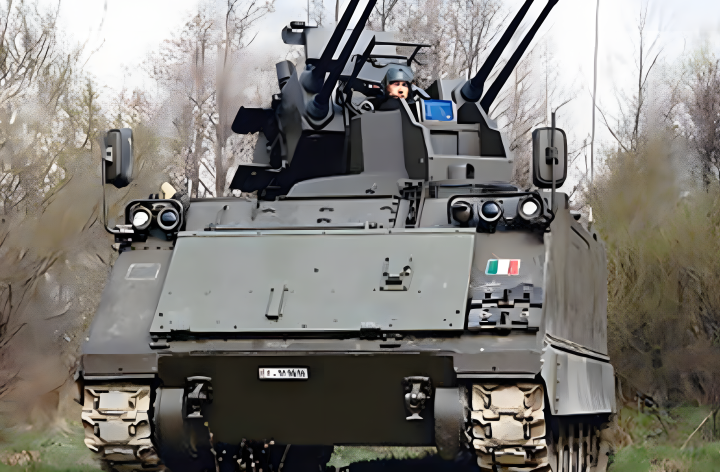
Italy is sending retired SIDAM-25 25mm air defense vehicles to Ukraine, boosting low-altitude drone defenses in the ongoing conflict.

Sometimes the things we waited for, the songs on the radio, the plays we built in our heads, the quiet stretches of boredom, were not inconveniences at all, but the hidden machinery that made the experience worth having in the first place.
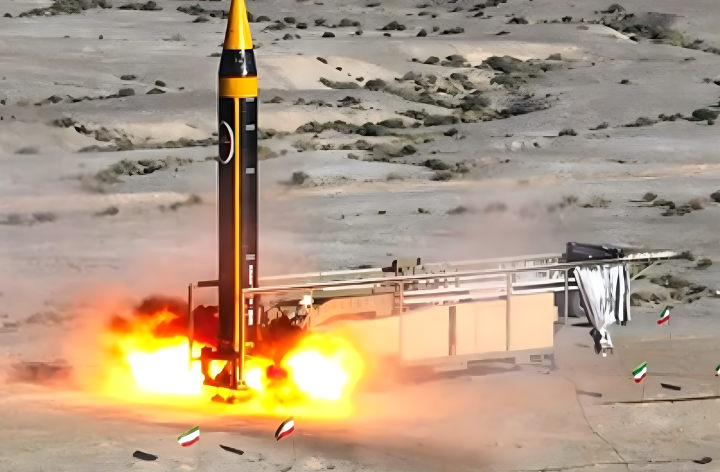
An Iranian missile exploding silently high above the American heartland would not look like war at all, but in the same instant it could drop the United States back into the 19th century and leave millions scrambling to survive in the dark.
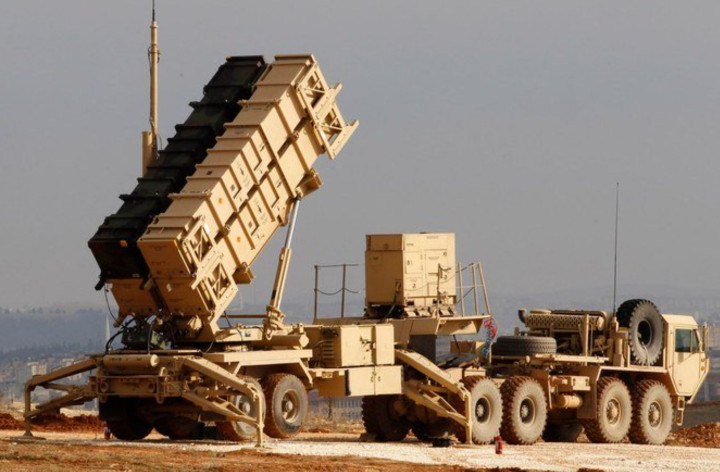
When the interceptors start leaving the rail faster than factories can replace them, the real fight is no longer just in the sky over the Middle East, it is in the warehouses, shipyards, and production lines that decide how long that shield can hold.
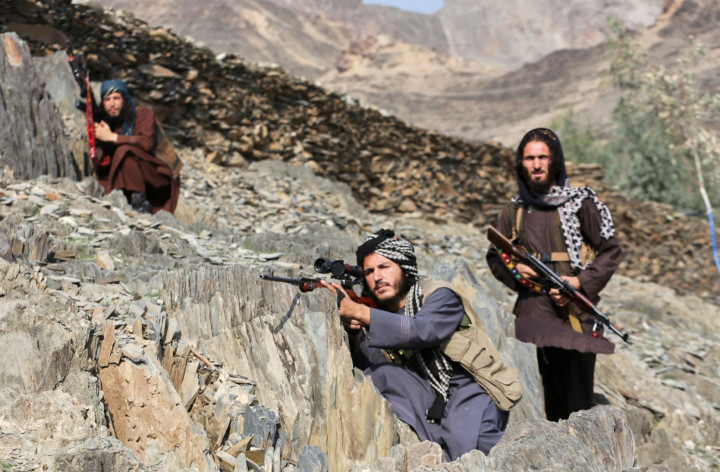
As Taliban threats push Pakistan toward open conflict, the War Department moves to fix life in the barracks at home, and a military laser downs a CBP drone over Texas, reminding us that instability abroad and coordination failures at home can collide faster than institutions adapt.

Pakistan and Afghanistan trade airstrikes in a widening frontier clash, while Ukraine claims a 900-mile missile strike inside Russia amid one of Moscow’s largest drone barrages of the war.

As Hillary Clinton fields Epstein questions behind closed doors, the War Department leans on Silicon Valley to loosen AI guardrails, and the F-35 starts letting algorithms help sort targets in the sky, it’s clear the machinery of power, politics, and war is moving faster than anyone’s comfortable admitting.
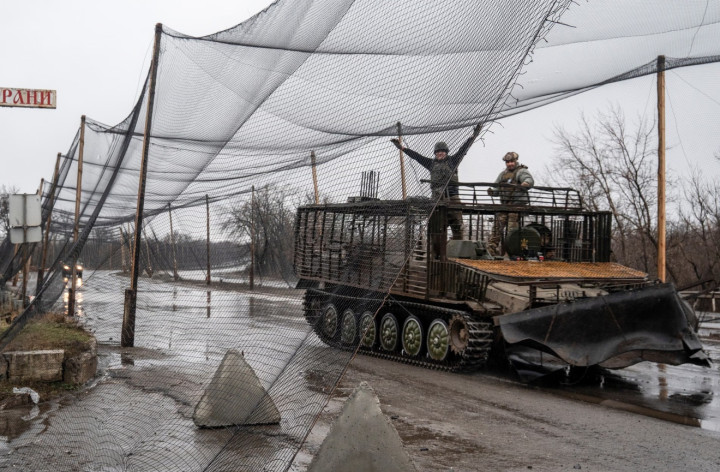
Ukraine and the United States advance structured talks ahead of a potential March trilateral with Russia, while the Pentagon escalates pressure on an AI firm over military-use restrictions and a former F-35 pilot faces arrest in a China training case.
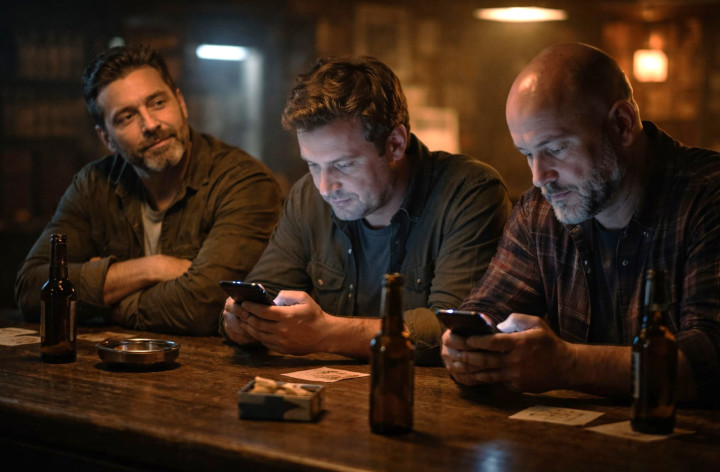
Two guys sit three feet apart reading verified stories and walk away believing opposite truths, because the most loyal yes-man either of them ever hired fits in a pocket and runs on Wi-Fi.
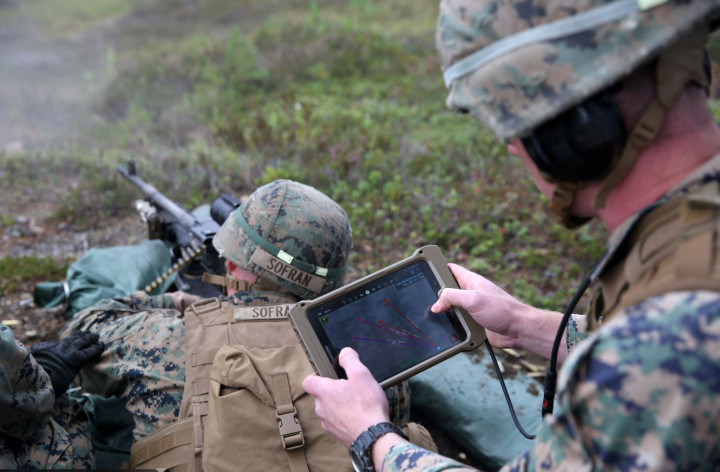
In a quiet room in Chantilly this April, CIA tech minds and SOCOM operators will start sketching the tools that will let small teams see more, move lighter, and think faster than the enemies waiting for them.

Trump signals possible Iran deal as Tehran fortifies nuclear sites, CIA targets Chinese military personnel, and Ukraine disrupts Russian Starlink.

Praesidus builds rugged, American-assembled watches inspired by historic military timepieces. Designed for accuracy and tested for endurance, each watch is made for outdoor explorers, everyday adventurers, and anyone who needs reliability when it matters.

SIG Sauer is a world-class firearms manufacturer trusted by military, law enforcement, and responsible civilian shooters, delivering precision-engineered weapons, optics, and training systems while maintaining a strong commitment to veteran hiring, American manufacturing, and the professionals who rely on their gear when it matters most.

FightCamp is an at-home boxing and kickboxing training system built around real technique, structured programming, and measurable performance. Members train with fighters and professional coaches while using connected punch and kick trackers that record volume, speed, and power in every round. The result is training that builds conditioning, skill, discipline, and resilience — all from home, on your schedule.

Essential Provisions Field Fuel® meals [ready-to-eat] & sports nutrition products have been developed with the cleanest, high-quality nutrient and energy-dense ingredients available. Research has shown that the whole food nutrients contained in our products have the ability to help.

Have you ever tried to wear a fleece hoodie in bad weather? We don’t recommend it. That’s why we founded BÆRSkin in 2019 – to create the world’s best outdoor gear that’s just as comfortable at home as it is durable outdoors. “Bad fitting, bulky, and boring” is how we felt about 1000’s of regular fleece hoodies we tested.

If you’re 21 or older and use nicotine or tobacco, charge ahead with Black Buffalo, America’s only credible smokeless tobacco alternative. Black Buffalo dips just like the real thing without the tobacco leaf or stem. Find Black Buffalo in Wawa, Circle K, Sheetz, Love’s, Pilot, Racetrac, and many more retail locations across the United States.

Stay Locked In. No Matter What. NEORON is a brain-boosting beverage built for the mission: sugar-free, crash-free, and engineered for clean, tactical focus through long hours and high-stakes operations. Made for those who grind, stay sharp under pressure, and refuse to fold—if failure isn’t an option, NEORON has your six.

Our roots in shooting sports started off back in 1996 with our founder and CEO, Josh Ungier. His love of airguns took hold of our company from day one and we became the first e-commerce retailer dedicated to airguns, optics, ammo, and accessories. Over the next 25 years, customers turned to us for our unmatched product selection, great advice, education, and continued support of the sport and airgun industry.