

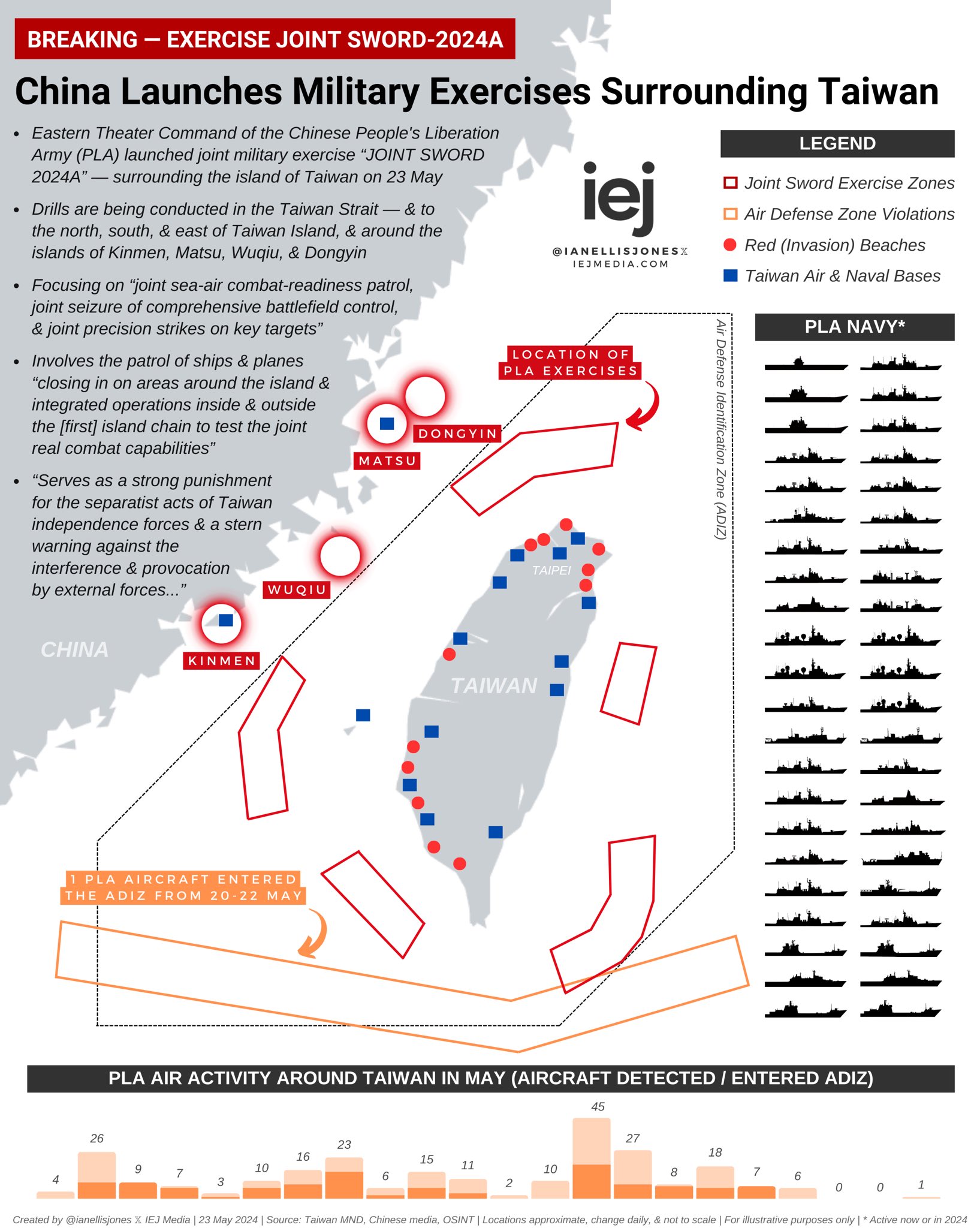
Despite expressing confidence in their ability to defend themselves, a shadow hangs over the island nation—the shadow of China’s anti-access/area-denial (A2/AD) capabilities.
These advanced missile systems are designed to cripple traditional naval warfare tactics.
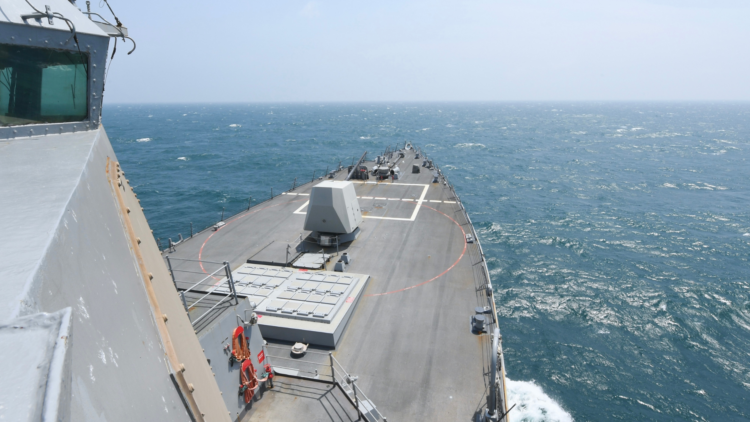
Large, expensive aircraft carriers, the linchpin of US naval power for decades, become vulnerable targets within range of these missiles.
This development presents a significant challenge for the US Navy, forcing a reevaluation of its strategies in the region.
The US: A Balancing Act in Troubled Waters
The US response has been swift and firm.
Statements urging China to exercise restraint and avoid using Taiwan’s political transition as a pretext for aggression leave no room for misinterpretation.
However, the US position remains one of “strategic ambiguity.”
Officially, Washington recognizes only one China but unofficially maintains strong military ties with Taiwan through arms sales and military exercises.
This delicate balancing act aims to deter Chinese aggression while avoiding a direct confrontation.
A Navy in Need of Transformation: The Search for New Solutions
The US Navy faces a growing dilemma.
China’s A2/AD capabilities render traditional naval strategies increasingly obsolete.
The answer may lie beneath the waves.
Submarines and unmanned underwater vehicles (UUVs) offer a potential solution. Their stealth capabilities allow them to operate undetected, bypassing China’s A2/AD defenses.
The Pentagon is actively exploring the development of next-generation UUVs with greater range and offensive capabilities.
Additionally, the revival of a Cold War-era concept – a submersible aircraft carrier launching drone swarms – is being tossed around as a futuristic option.
These advancements, though still in their early stages, represent a potential shift in US naval strategy, one that prioritizes agility and stealth over brute force.
The Road Ahead: Uncertainties and Evolving Strategies
The coming days and weeks will be crucial in determining the trajectory of this escalating situation. Whether China’s drills mark a temporary show of force or a prelude to a more aggressive action remains to be seen.
Taiwan stands firm, backed by US support. Still, the question of how the US Navy adapts to China’s growing military might remain a critical factor in the evolving balance of power in the region.
This escalating tension is a stark reminder of the fragile peace in the Taiwan Strait. The world watches with bated breath, hoping for a peaceful resolution but prepared for the potential of a conflict that could reshape the geopolitical landscape of the entire region.








COMMENTS