

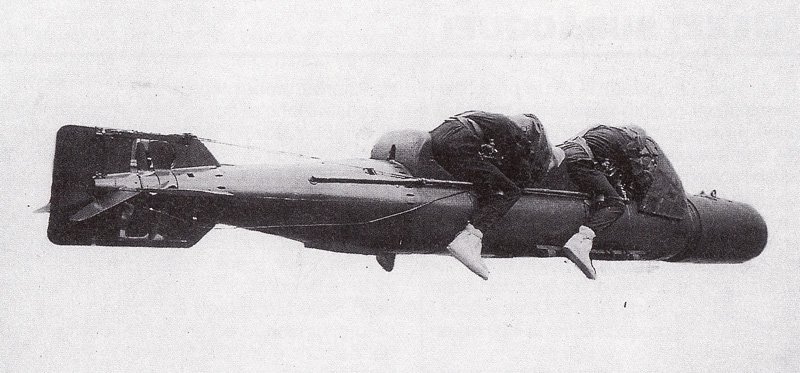
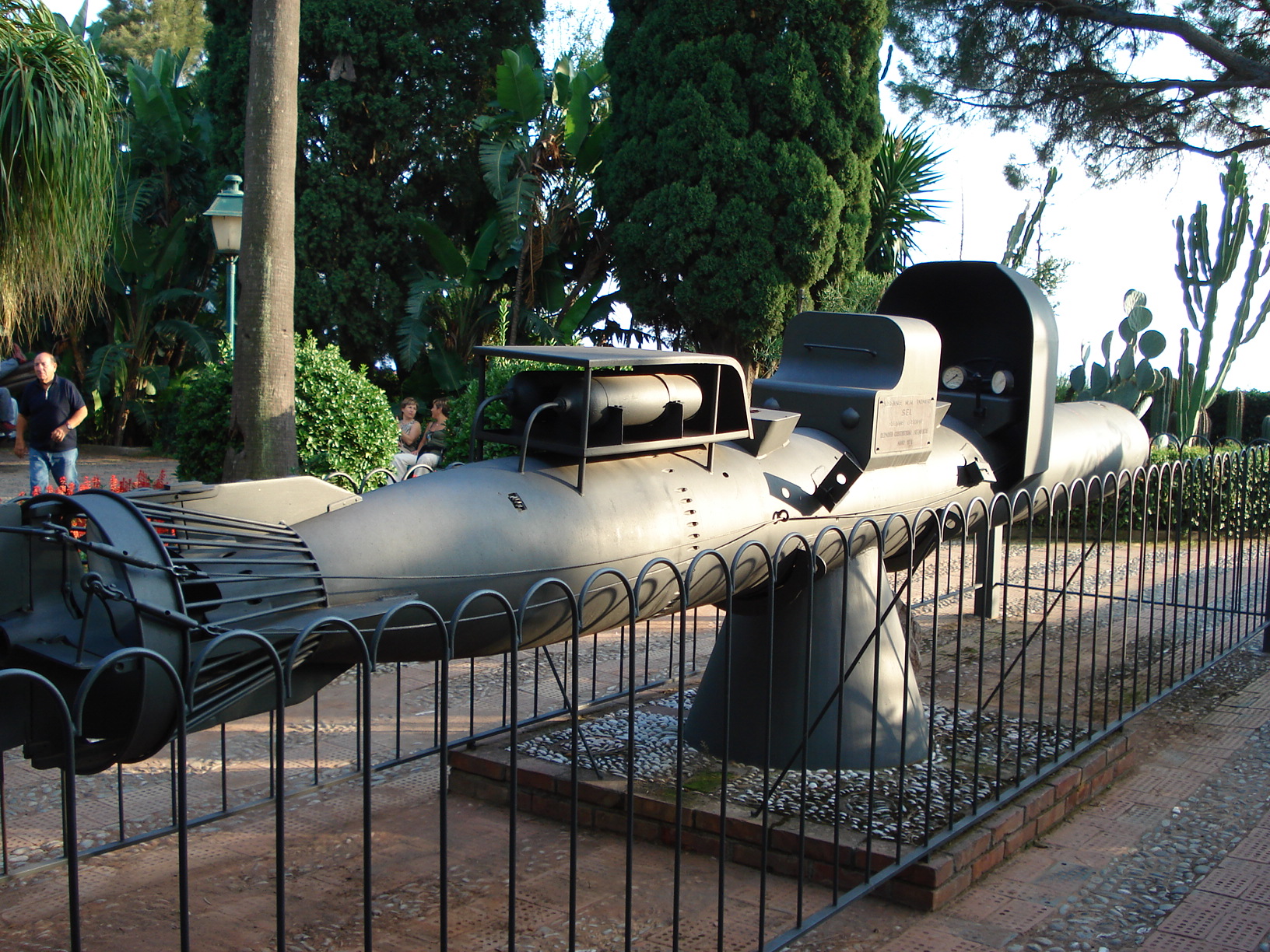
Malta’s results convinced the unit to abandon the explosive motorboat tactic and concentrate more on underwater incursions. A new man, Commander Ernesto Forza, was placed in charge, and former submarine skipper, Commander Junio Borghese, was made leader of the sub-surface group.
On September 10, the frogmen drew blood at last, after they secretly boarded the submarine Scire in neutral Cadiz, Spain. Aboard were three Maiali. They arrived just outside the Gibraltar harbor, detached and entered the British base unseen, whereupon the crews planted limpet mines against three tankers. A few hours later the ships exploded and sank, with the torpedoes’ crews already headed back to Spain and eventually Italy, where they were received as heroes and decorated for valor. Upon seeing the positives of using Spain as a base for further success, another raid was planned, one that would forever write their name in the annals of Special Warfare.
On December 3, the Scire left Spain once more, carrying three Maiali. It stopped and picked up six different men, again at Leros, before embarking for Egypt’s Grand Harbor at Alexandria, which it reached on December 19. Later that that night, at a depth of 49 feet the crews entered their vehicles and detached 1.3 miles outside the harbor’s entrance. To their luck, the British opened their anti-submarine nets to let three destroyers enter, and the Maiali promptly tailed them through. They never expected it to be so easy.
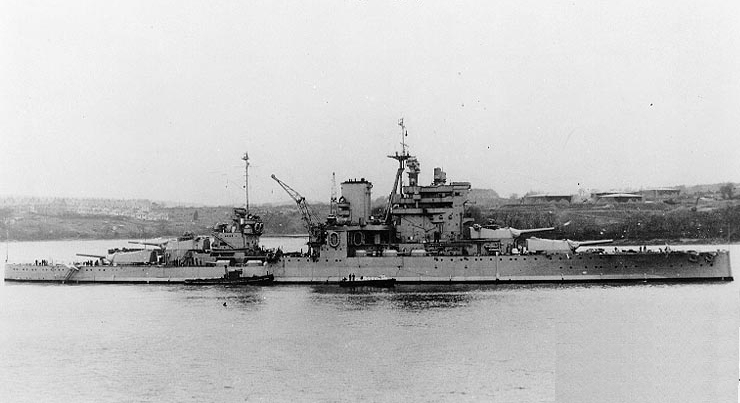
As they surfaced to gain their bearings, before them lay the two largest ships they would ever target, the battleships HMS Valiant and HMS Queen Elizabeth, along with plenty of destroyers and tankers, to boot. It was a frogman’s dream. The Maiali teams finished choosing their victims, submerged, then began homing in on their targets, determined to make it come true.
Aboard one of the Maiale’s, its crew was about to experience one of those strange fates of war as they brought their torpedo, which had been having engine problems, just under the hull of Valiant, and placed a limpet mine to her smooth steel. They soon had to surface, were spotted and captured, and then placed in a compartment aboard the Valiant.
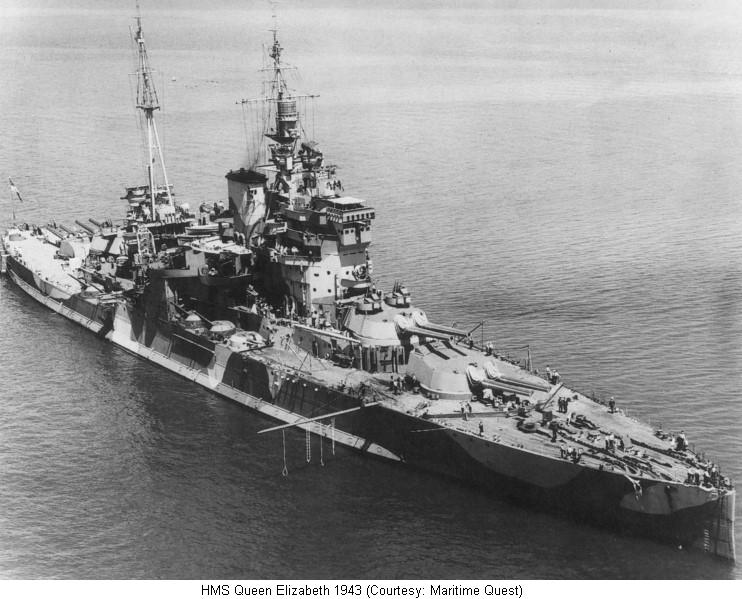
Nearby, the other Maiali went to work. as the Queen Elizabeth received her limpet under her keel, as did the destroyer HMS Jervis and tanker Sagona. Then the five torpedoes successfully exited the harbor at 0430 hours, still undetected, and beached some distance away, with the crews planning to masquerade as Free French sailors in order to escape Egypt.
A short while later the mines exploded, tearing into the undersides of the battleships, causing them to flood their deepest compartments and begin the inevitable descent into the mud. The two frogmen aboard Valiant were injured, but survived and were evacuated.
Jervis’ limpet explosion badly damaged the destroyer, though she stayed afloat, tied with others to the Sagona whose stern blew off as her limpet detonated. At once, Alexandria harbor fell into a state of panic and disbelief. No one could have imagined the power these six frogmen wielded.
And now, it did more than just cause worry: it caused outright fear. Even though all the frogmen were captured, the waves lapping over the decks of the Royal Navy’s battleships painted a grim indictment of Britain’s defensive efforts against the X MAS to the point that, for a while, paranoia reigned in any Mediterranean harbor the Royal Navy dropped anchor. This led Admiral Sir Andrew Cunningham, Commander in Chief of the Mediterranean Fleet, to remark “Everyone has the jitters, seeing objects swimming about at night, and hearing movements on ships’ bottoms. It must stop!”
Yet, X MAS was just getting started.
Into 1942 they were in action again, operating from subs and inside an Italian tanker, revisiting Alexandria, Souda, and Gibraltar adding insult to injury while adding new harbors like El Dab, Algiers and Sebastopol to the target list. 15 more ships met their end under giant waterspouts or were crippled for months, with the loss of few frogmen, some of whom were captured. No matter how hard they tried, the British were never able to put an end to the frogmen and their gift of destruction. Not in 1942 or even ’43, when the silent visitors sent 9 more ships to the bottom and a final attack was made against Gibraltar to close out their reign.
Then something happened that changed everything. Mussolini was ousted and an armistice made with the Allies on September 8. With that, the X MAS threat as an elite combat unit was effectively over, after having sank or damaged five warships and 20 merchant ships totaling over 130,000 tons. Now the battle became one of loyalty, with many driven by Fascist ideology and yearly diets of anti-Semitic propaganda causing them to continue on at the side of Germany. These would fight hard and brutal, to the point of engaging in war crimes on a regular basis. Overseeing all of this was their new leader, Junio Borghese, who was quick to name them “X MAS” once again.
Ernest Forza joined the Allies and brought back his unit under the name ‘Mariassalto,’ and was joined by several newly-released frogmen from POW camps. The new force operated alongside British frogmen, ironically, and mounted attacks against Italian ships captured by the Germans. They sank the cruiser Bolzano using Maialis, while their British brethren used their own version, called Chariots.
These twin versions of X MAS kept fighting into 1945, until Borghese negotiated his command’s surrender on April 26, 1945. Taken into custody, he was tried for war crimes and received a 12-year sentence, while his former commander, Forza, retired to civilian life.
Thus, X MAS became silent for good.
Italy’s best unit left behind a legacy still unrivaled in terms of material destruction, and caused a spur of innovation in naval Special Warfare that may still be seen today. All one has to do is watch the many films of Navy SEALS with their rebreathers on, riding their SDVs through the depths toward a sleeping target, and realize that long ago there were once similar men in similar craft traveling the silent seas in a World War, attempting to affect the destiny of nations.
This article previously published by Mike Perry and SOFREP 11.17.2013








COMMENTS