

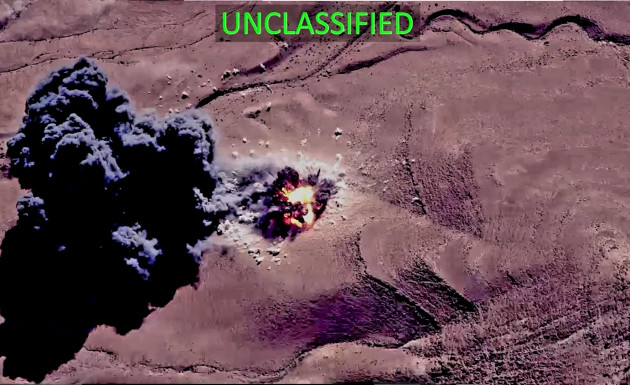

Operational performance details remain limited. Russian reporting confirms altitude and payload figures but does not publicly quantify endurance, coverage radius, or resilience against electronic warfare. Those metrics will determine whether Barrage-1 becomes a niche experiment or a viable military asset.
High-altitude platform systems are drawing renewed global attention. China, Western aerospace firms, and several militaries are pursuing similar architectures to bridge the gap between satellites and traditional drones. Russia’s version appears focused on communications continuity in contested environments.
Bottom line: the test flight is confirmed. The capability envelope is still largely unknown. If Moscow can sustain reliable stratospheric relay operations at scale, it adds another layer to the communications fight below orbit and above conventional ISR platforms.
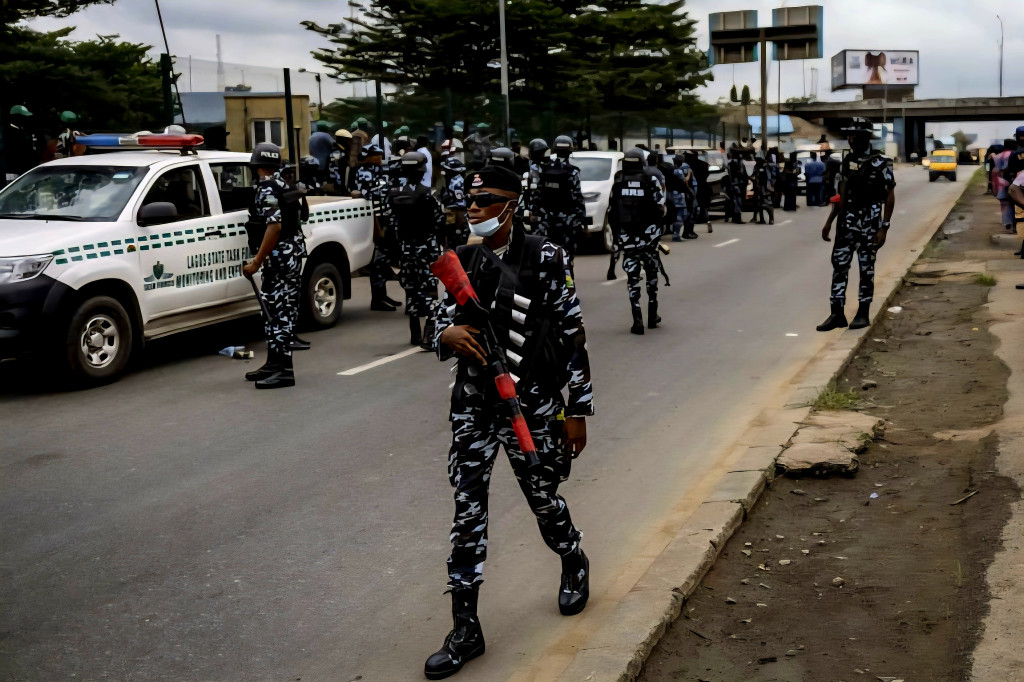
Motorcycle Gunmen Kill 32 in Niger State Village Massacre
Predawn today, heavily armed gunmen on motorcycles stormed three rural communities in Borgu Local Government Area of Niger State, Nigeria, killing at least 32 civilians and burning scores of homes in one of the deadliest coordinated attacks in the region this year.
The first assault hit Tunga-Makeri around 3 a.m., where villagers said gunmen riding in groups of hundreds opened fire and set homes ablaze. Local residents reported at least six fatalities there. By 6 a.m., similar attacks in Konsoko left at least 26 confirmed dead; residents described bodies found with severe trauma, and much of the village destroyed. Casualty figures in Pissa remain unclear as survivors and volunteers continue recovery efforts.
Police in nearby Minna confirmed the strike wave and the rising death toll but did not provide precise casualty breakdowns. There is limited information on any immediate ground response by military or security forces; local witnesses reported the attackers operated for hours with little effective resistance.
Motorcycle-mounted gunmen are a familiar feature of violent crime in north-central Nigeria, where loosely organized criminal groups – colloquially termed “bandits” – have exploited porous terrain to carry out raids, kidnappings, and cattle rustling. These groups are responsible for a growing share of mass casualty attacks across Niger, Kebbi, Kaduna, and Zamfara states, though they operate separately from jihadist networks in the northeast.
This attack fits a pattern of escalating violence across the region. Earlier in February, coordinated raids in Kwara State’s Woro and Nuku districts left more than 170 dead, and a January massacre at Kasuwan Daji market killed at least 40. Analysts link these surges to a mix of criminal enterprise, militia activity, and opportunistic exploitation of weak local governance.
The Nigerian government and state security apparatus have faced mounting criticism for failing to protect rural communities while bandit groups expand their operational reach. The scale and coordination of today’s raids, striking multiple villages nearly simultaneously, underline how volatile central Nigeria’s security landscape has become, and how quickly violence can overwhelm thinly stretched local defense structures.
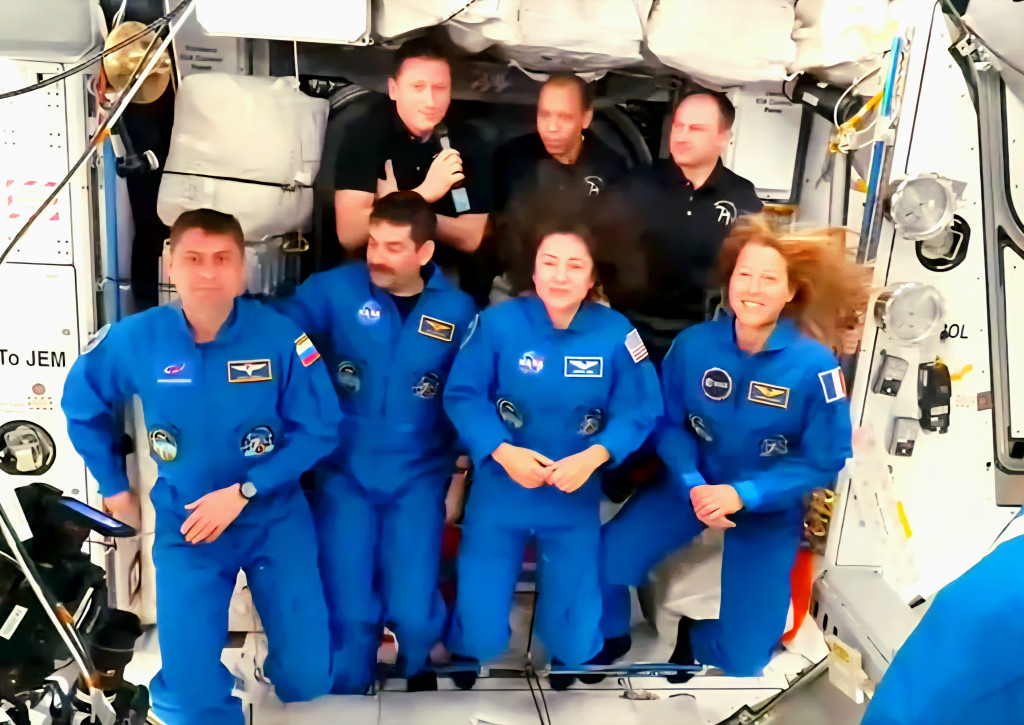
Crew-12 Docks at ISS, Restores Full Ops After Crew-11 Medevac
Four astronauts from NASA’s SpaceX Crew-12 mission docked with the International Space Station on February 14, 2026, restoring full operational capacity after January’s medical evacuation temporarily reduced staffing aboard the orbiting laboratory.
Crew-12 launched February 13 at 5:15 a.m. EST from Cape Canaveral’s Space Launch Complex-40 aboard a SpaceX Dragon spacecraft. The capsule, Dragon Freedom (C212), is flying its fifth mission. Docking occurred February 14 at approximately 3:15 p.m. EST to the Harmony module’s zenith port, officially beginning the crew’s Expedition 74 rotation.
The mission is commanded by Jessica Meir, returning to orbit after her 205-day Expedition 61/62 deployment in 2019–2020. Meir previously participated in the first all-female spacewalk. She is joined by NASA pilot Jack Hathaway, ESA astronaut Sophie Adenot of France, and Roscosmos cosmonaut Andrey Fedyaev.
Crew-12 replaces members of Crew-11, four of whom returned to Earth on January 15 following a serious health issue involving one astronaut. NASA confirmed the early return marked its first operational medical evacuation in decades of continuous human spaceflight. The departure left three crew members aboard the ISS, forcing a pause in planned spacewalks and limiting portions of the research schedule.
With Crew-12 now in place for an expected eight- to nine-month stay, normal research throughput and extravehicular activities are set to resume. Following docking, Meir remarked, “That was quite the ride. We have left the Earth, but the Earth has not left us,” referencing a smooth ascent despite a minor suit equipment check during launch.
The mission underscores continued international cooperation in low-Earth orbit. Even amid geopolitical tension on Earth, U.S., European, and Russian crew members remain integrated aboard the ISS.
For NASA, Crew-12 restores redundancy, manpower, and operational depth at 277 miles above the planet. After an unexpected medical contingency, the station is back at full strength.








COMMENTS