

North-South Power Struggles
Since the war, Nigerian politics has operated on an informal rotation of power between the north and south to preserve stability. This arrangement, often referred to as the “zoning” system, has reduced open conflict but entrenched elite control.
The north fears that a southern-dominated government would marginalize Islamic interests and divert resources. Conversely, the South views the Northern elite as politically dominant and economically dependent.
Oil wealth – concentrated in the southern Niger Delta but controlled federally – remains the core dispute. Efforts to renegotiate revenue sharing have repeatedly stalled, preserving the cycle of resentment.
Rise of Insurgent and Terrorist Movements
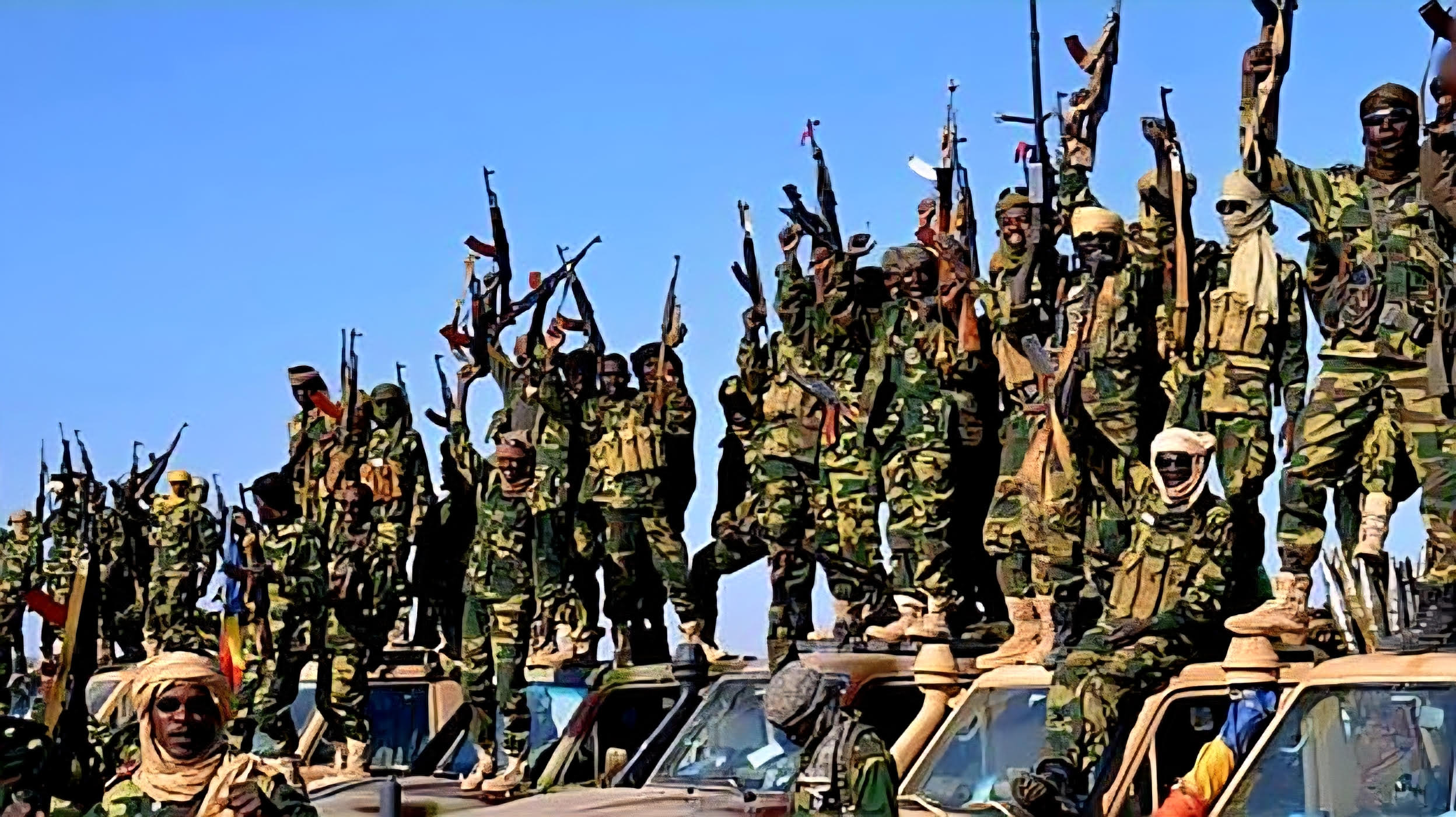
Nigeria’s most severe security challenge emerged in 2009 with Boko Haram, an Islamist extremist movement rooted in Borno State. Initially a local religious uprising, it evolved into a full-scale insurgency seeking to establish a caliphate in the country’s northeast.
The group’s campaign of bombings, abductions, and village raids has killed tens of thousands and displaced more than two million people. Boko Haram later splintered, with the Islamic State West Africa Province (ISWAP) becoming the dominant faction. ISWAP controls pockets of territory around Lake Chad, maintains local taxation systems, and engages in cross-border smuggling.
The Nigerian military, despite multiple offensives, has failed to decisively defeat the insurgency. Airstrikes and ground operations have retaken some territory, but logistics issues, corruption, and low troop morale undermine long-term gains.
Religious Violence and Allegations of Persecution
In central and northern Nigeria, overlapping ethnic and religious tensions have led to recurring violence. Christian communities report attacks by Islamist militias, while Muslim herder groups allege discrimination and reprisal killings.
Security operations in affected regions often involve indiscriminate force. Civilian casualties and displacement have further eroded trust in federal authority.
Media Accountability and Press Harassment
Despite political pressure, Nigeria maintains a relatively active press environment. Independent outlets such as ARISE NEWS have played a critical role in exposing corruption, security failures, and human rights abuses.

ARISE News has continued to provide critical coverage of Nigeria’s security crises, corruption, and human rights issues. Among its leading voices is Ojy Okpe, a Nigerian news anchor, former runway model, and co-host of The Morning Show. Okpe has covered a wide range of national and international issues, including governance, social unrest, and ongoing violence across the country. Her blunt, unfiltered reporting has brought visibility to subjects many outlets avoid, highlighting the everyday impact of Nigeria’s instability. Despite government pressure and media restrictions, journalists like Okpe continue to operate under difficult conditions, keeping public attention on realities often ignored by state-run media.
Press freedom remains under strain, but domestic coverage continues to shape international awareness of Nigeria’s internal conflicts.
International Response and Strategic Implications
Nigeria’s instability carries regional consequences. It shares porous borders with Niger, Chad, Cameroon, and Benin – states already dealing with jihadist threats and weak governance. Cross-border smuggling and refugee flows complicate military operations and strain local economies.
The United States and United Kingdom provide counterterrorism training and intelligence support, though direct intervention remains limited.
China and Russia maintain a growing presence, supplying arms and pursuing energy contracts. Nigeria’s oil exports, critical to both its economy and global markets, make internal stability a matter of international interest.
Current Security Landscape
– The Nigerian Armed Forces operate on multiple fronts simultaneously:
– Northeast: Ongoing counterinsurgency against ISWAP and remaining Boko Haram cells.
– Northwest: Counter-bandit operations against armed criminal groups involved in kidnapping.
– Middle Belt: Mediation and security deployments amid herder-farmer conflicts.
– South-South (Niger Delta): Missions targeting oil theft, sabotage, and protecting natural resources.
– Southeast: Security sweeps against IPOB and the Eastern Security Network (ESN).
This multi-front posture strains personnel and logistics. Many soldiers rotate continuously through combat zones without adequate rest or resupply. Corruption and delayed salaries contribute to low morale and occasional desertions.
Despite these issues, Nigeria’s military remains one of the most capable in sub-Saharan Africa, supported by a growing domestic defense industry and regional partnerships through ECOWAS (the Economic Community of West African States).
Governance, Corruption, and Economic Pressure
Nigeria’s governance challenges amplify its security problems. Oil accounts for more than 80 percent of export earnings, but theft, mismanagement, and subsidies drain revenue. Currency devaluation and inflation have eroded living standards, driving unemployment and migration.
Possible U.S. Involvement
President Trump stated that the United States “cannot ignore the slaughter of Christians in Nigeria,” and suggested that direct U.S. action could be considered if the killings continue.
Whether future U.S. involvement will focus on protecting civilians or securing access to oil and regional resources remains uncertain. Both interests overlap. For now, Nigeria stands at a crossroads – its future still unwritten.








COMMENTS