
Cost-Effective Warfare
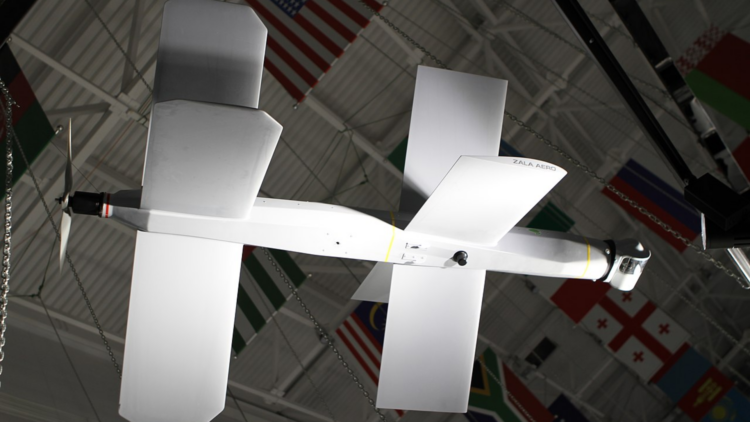
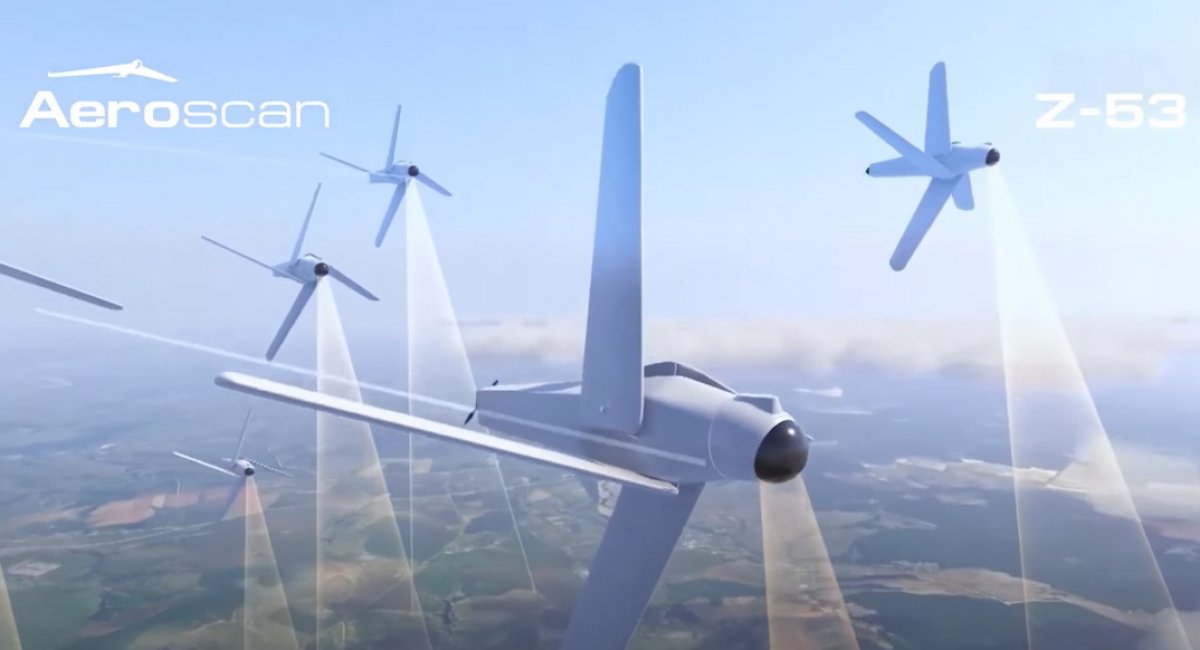
Using kamikaze drones like the Izdeliye-53 represents a cost-effective approach for Russia in conducting military operations.
With an estimated price tag of $35,000 per drone, these unmanned aerial vehicles (UAVs) offer an economical alternative to traditional missile strikes. Furthermore, their ability to carry out swarm attacks can pose a formidable challenge to air defenses, as it becomes increasingly difficult to intercept and neutralize multiple incoming drones.
Diversification of Arsenal
The deployment of the Izdeliye-53 and other kamikaze drones is part of Russia’s broader strategy to diversify its arsenal. By expanding its range of drone, missile, and guided bomb capabilities, Russia aims to target Ukraine’s critical infrastructure more effectively, especially in preparation for the autumn and winter seasons.
The Role of Drone Technology in the Ukraine Conflict
The ongoing conflict in Ukraine has witnessed a significant acceleration in the development and deployment of drone technology.
Both Ukrainian and Russian forces have recognized the potential of UAVs as a force multiplier.
Ukraine, in particular, has invested in building up its “army of drones,” with Digital Transformation Minister Mykhailo Fedorov envisioning the country as a “world leader in drone production.”
The Stealth Advantage of Italmas UAVs
Russian forces have been combining the use of Iranian-made Shahed drones with cheaper and lighter domestically-produced Italmas UAVs in their attacks on Ukrainian infrastructure.
According to earlier reports, these Italmas drones offer a stealth advantage due to their lightweight and less detectable nature, making them harder to identify and shoot down.
Moreover, the cost-effectiveness of Italmas UAVs, along with their ability to complement the Shahed drones, enhances the overall effectiveness of Russian drone operations.
Product 54 UAV
One of the noteworthy developments in the drone landscape is the production of the Product 54 UAV by Russian forces.
Engines from AliExpress reportedly power these drones and have the potential to carry several kilograms of explosives, posing a significant danger. Introducing such attack-type UAVs further emphasizes the evolving tactics in modern warfare.
~
In summary, the introduction of the Izdeliye-53 kamikaze drone, equipped with its automatic targeting system, stands as a significant breakthrough in drone technology and its application within contemporary warfare. As we scrutinize these developments, it becomes increasingly evident that these advancements possess the potential to reshape the course of the ongoing conflict.
The Izdeliye-53, with its unique capabilities and precision targeting, presents an intriguing proposition for the battlefield. Although its payload may not be enough to inflict substantial damage upon major military targets, its cost-effectiveness and precision when engaging smaller assets should not be underestimated.
In a war that has seen an acceleration in drone technology, the Izdeliye-53 may provide Russia with a critical edge in disrupting adversary operations and key infrastructure.
Dragging into its 21st month, the toll of this conflict – the largest military assault in Europe since World War II – has been severe, with tens of thousands of lives lost.
Around 8 million Ukrainians have been internally displaced, while over 8.2 million have become refugees, resulting in Europe’s most significant refugee crisis in recent history. This ongoing conflict not only impacts technology and strategies but also carries profound humanitarian and geopolitical consequences.








COMMENTS