

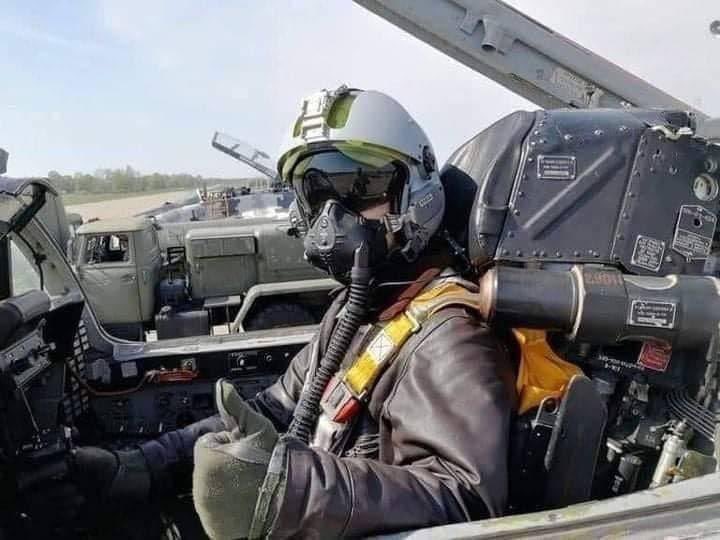
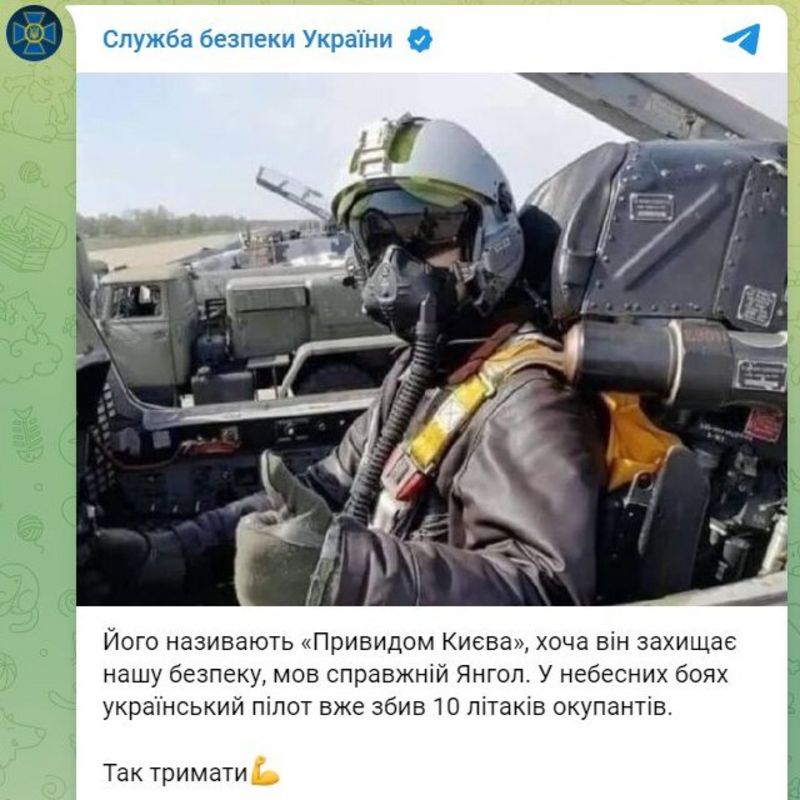
For all our readers out there, we know how unrealistic downing 40 aircraft is, but we have to understand that many individuals who are not quite familiar with how air combat works in real life might be deceived by this. Loads of movies and games skew the perception of fighter jets and combat, which may lead to gullible and hopeful either be deceived or be willing to deceive themselves.
That being said, the Ukrainian Armed Forces had cleared the air about the rumors of the Ghost of Kyiv and posted on their Facebook account that the Ghost of Kyiv is not real.
https://www.facebook.com/kpszsu/posts/363834939117794
“Once again, we ask the Ukrainian community NOT to neglect the basic rules of information hygiene, not to issue the desired one valid, to check the sources of information, before spreading it,” the Ukrainian Armed Forces said.
“Hero of Ukraine Stepan Tarabalka is NOT “Ghost of Kyiv,” and he did NOT hit 40 planes,” they clarified, saying that Tarabalka was “heroically” killed in an air battle.
Instead, the Ukrainian Armed Forces claimed that the “Ghost of Kyiv” was a “superhero-legend whose character was created by Ukrainians!” confirming that it was indeed a myth created by the country. However, they did not say it was them who created or perpetuated the myth to some extent, which they certainly did.
“This is a faster-collected image of pilots of the 40th Air Force tactical aviation brigade, who protect the sky of the capital. What suddenly appear where they are not expected!” they stated.
Why the Ghost of Kyiv Exists
The Ghost of Kyiv was probably created for propaganda purposes and for a morale boost. The first news of the Ghost of Kyiv came about during the first few days of the war, along with the story of the Ukrainians who were stationed on Snake Island. Now we know that the Ghost of Kyiv story is a myth, while the Snake Island story was partially true as the Ukrainians were not killed after all.
In the early days of WWII, it was claimed that the US awarded the Medal of Honor to an army air corps bomber pilot named Colin Kelly for sinking a Japanese battleship off Formosa. He was killed in the attack and America had one of its first heroes to look up to. Except it didn’t happen that way at all. Kelly was carrying three 600lb bombs on a mission to hit the airfield at Formosa and saw a heavy cruiser off the island of Luzon in the Philippines bombarding the shore. He decided that was the more important target to hit. He dropped his three bombs from 20,000 ft and claimed two hits on the Cruiser(Japanese records do not confirm these hits on their cruiser). His bomber was then attacked by Japanese fighters as he returned to Clark Field and crashed about 5 miles from the runway. He was put in for a Medal of Honor but received the Distinguished Flying Cross instead. For most of the war, people believed Kelly had sunk a Japanese battleship and was awarded the MOH.
In war, propaganda is very much expected from combatants on both sides. Some to garner support from the international community, while some to boost the overall morale of their militaries and citizenry. Perhaps, if the Ukrainians did create the “Ghost of Kyiv” myth out of thin air, it was to energize the Armed Forces somehow and say that “If this one pilot could take on 40 enemies, then we can do it, too!” From a moralistic standpoint, yes, it does constitute somewhat of a lie, but Ukrainians have defended their territory with such tenacity and bravery so far that the truth is much better than the fiction at this point. Ukraine has some real heroes now they can talk about without the myth-making of a lone fighter pilot in the sky winning the war by himself.
Perhaps, it is the Ukrainians’ way of coping with the loss of relatives and friends to somehow pick up a gun to fight. If you had no choice and your country was being invaded, you’d probably need all the courage to fight off what was then billed as one of the strongest armies in the world.
In fact, in an interview with the BBC, Ukrainian military historian Mikhail Zhirohov revealed that the Ghost of Kyiv story was to boost morale.
“It’s essential to have this propaganda because our armed forces are smaller, and many think we can’t be equal to them [the Russians]. We need this in wartime,” Zhirohov said.
More than anything, Zhirohov’s use of the word “essential” probably explains the persistence of the myth more than anything. The people of Ukraine needed the Ghost in the first weeks of the war when Russia was expected to overrun the country in days. Now, nearly 70 days into a fight going very badly for Russia and Ukrainian forces pushing them back in many sectors, the myth can be put to rest as the Ukrainian people are now the very real heroes they were looking for all along.








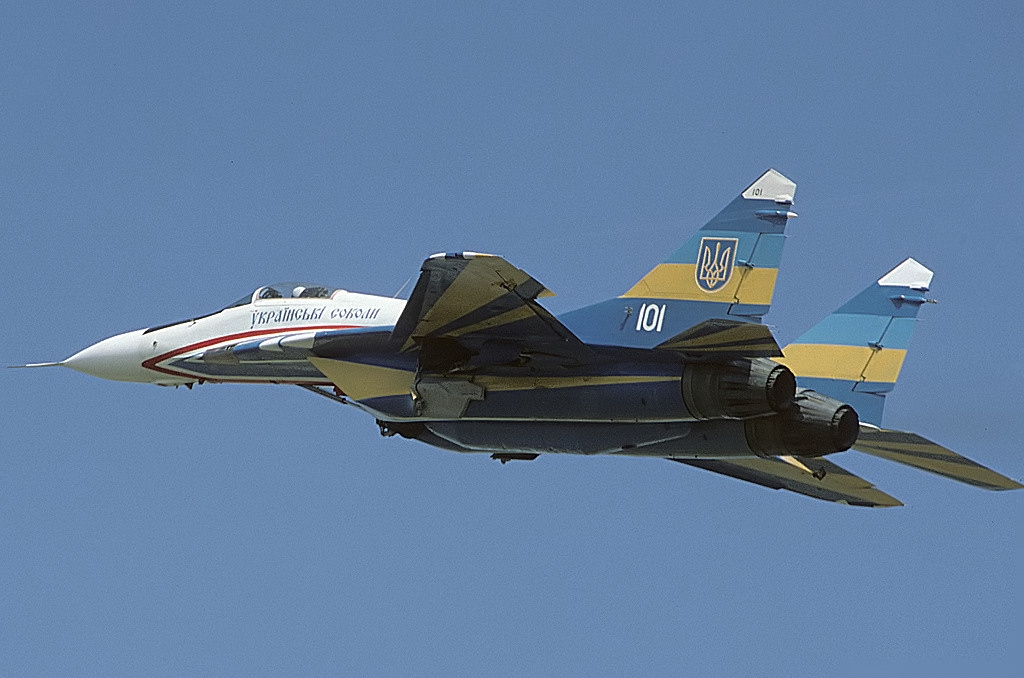
,_Ukraine_-_Air_Force_AN1365570.jpg)
COMMENTS