
India’s Modified Weapon Procuring Process
In April, the Indian Ministry of Defense announced that it would modify its process of procuring weapons, limiting it to domestically produced with a few exceptions. The move is part of the ongoing “Make in India” initiative the current administration launched in 2014 to lessen the reliance on weapon importation while promoting domestic production.
Indian Defense Minister Rajnath Singh said that the agency had created a list of over 300 different systems that will not be imported “once the deadlines are set against them,” including light tanks, helicopters, and unmanned aerial vehicles (UAVs).
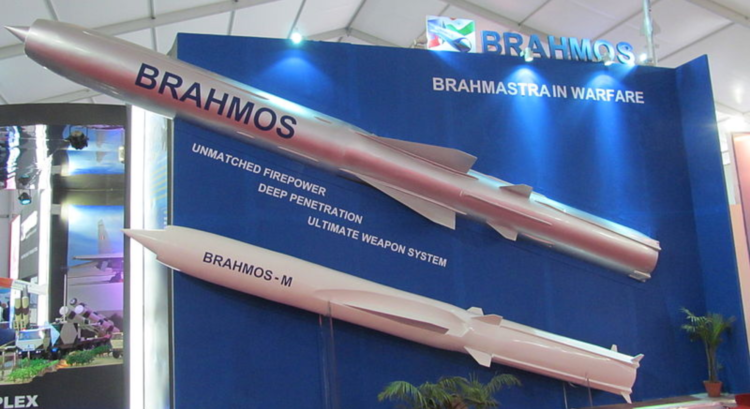
The most recent contract export India signed was with the Philippines in January, worth $375 million for BrahMos Missile Systems—a medium-range stealth joint-venture product of Indian Defence Research and Development Organisation (DRDO) and the Russian Federation’s NPO Mashinostroyeniya in the late 1990s. The BrahMos is expected to strengthen the Philippine Navy’s firepower, particularly the Philippine Marine Corps’ coastal defense regiment, and to enable counterattack capabilities and protection within its exclusive economic zone.
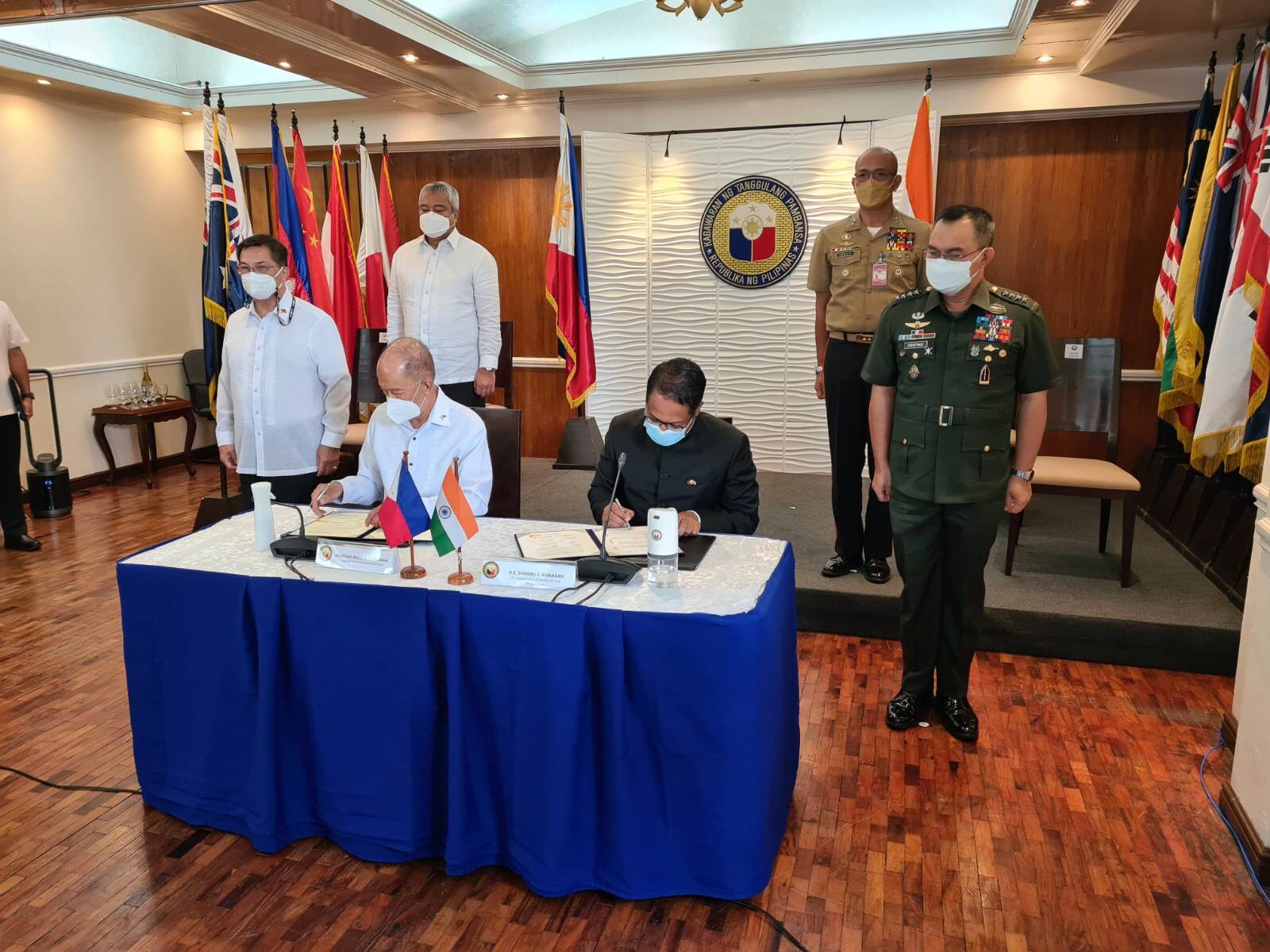
Following the supersonic cruise missile deal, it has become India’s most significant export order. It could open more contracts with other Association of Southeast Asian Nations (ASEAN) countries like Thailand, Indonesia, and Vietnam.
Another Indian indigenous defense weapon popular for export is the Akash air defense missile, recognized as the country’s most crucial missile. It is a medium-range mobile surface-to-air missile (SAM) system developed in the 1990s and commissioned into the Indian Army and Air Force in the late 2000s. The missile targets aircraft up to 19 miles away and can neutralize aerial targets such as fighter jets, cruise missiles, SAM, and ballistic missiles.
Nations in Southeast Asia and the Middle East have shown interest in procuring the Indian SAM system in recent years, especially with the growing tension in the South China Sea.
Among the Top 25 Arms Exporters Worldwide
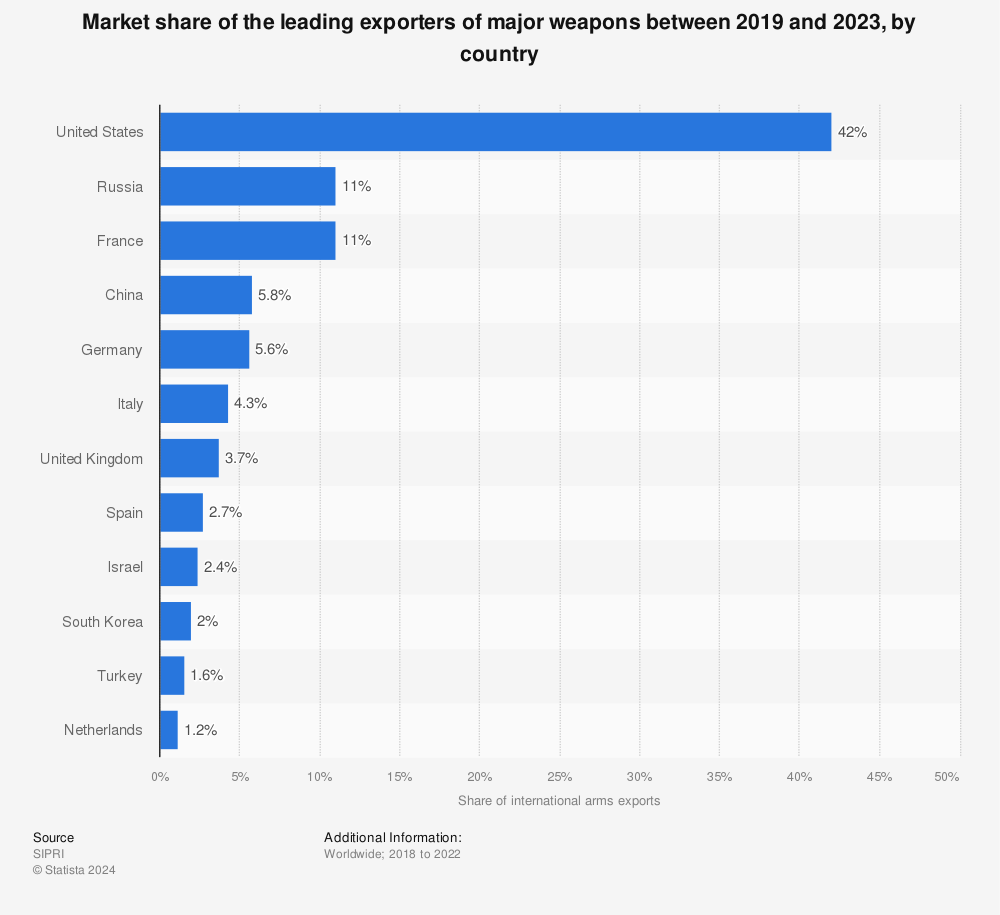
As previously mentioned, the Indian government has created friendly relations with neighboring countries to encourage defense exports. With a smooth and steady transaction, it could potentially move up from its current position in the Top 25 exporters in the world (as of October 2021).

Find more statistics at Statista.
According to Statista, the United States remained the largest arms exporter worldwide, with a market share of 39 percent between 2017 and 2021. Followed by Russia, accounting for 19 percent, and countries France (4.6%), Germany (4.5%), and China (3.1%).
Meanwhile, China led the world in increased military spending between 2012 and 2021, with a 72 percent increase, while India ranks sixth with a 33 percent increase during the same period. Moreover, according to the latest statistics, the United States has reduced its spending by 6.1 percent.
As both superpower defense industries were preoccupied with supplying the Russia-Ukraine war and tensions in the Asia-Pacific between China and the US, India saw an opportunity to expand and fill whatever gaping hole it needed to fill to boost further its ambitious plan of becoming one of the world’s top arms exporters before the decade’s end.








COMMENTS