

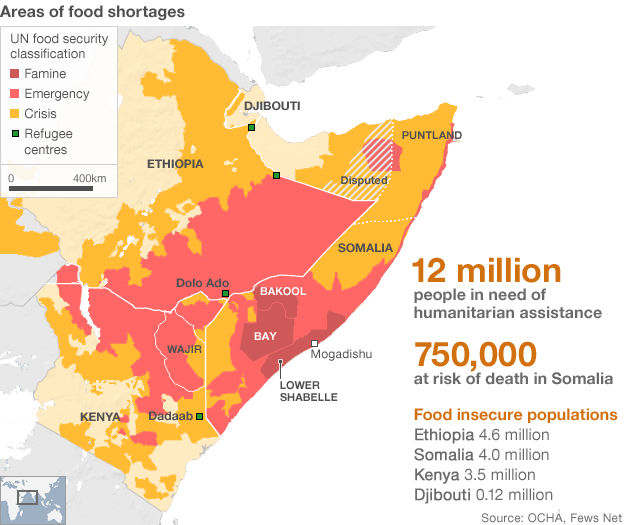
MK: The villages are not secure, and anything can happen at any time. There was a constant threat from clashes between tribes, who can fight either for misunderstandings, politics, or any other reason.
Comments: As SOFREP has previously reported regarding the fluid security situation in hotspots such as South Sudan and the CAR, sporadic violence can often erupt between differing ideologies, ethnicities, or basic politics and misunderstandings. In northeast Kenya, the majority of violence appears to be motivated by ethnic or tribal divisions.
SOFREP: What measures do you take to ensure your safety while working in the area?
MK: As some people don’t accept foreigners in their villages, there is always a threat. We have to work together with the leaders of the villages and to be in good terms with them, I mean with the elders of the villages, especially with Muslims.
Comments: Working actively with village elders to produce a level of rapport and basic understanding is a common practice that can prove very effective. Establishing and maintaining relationships with local elders and other powerbrokers provides a level of legitimacy for the organization and brings an understanding that enables fewer operational restrictions, more trust among parties, and overall mission success.
SOFREP: What government security, police, or peacekeeping forces were in the area that could provide security for the area?
MK: The government provides security but most times in big towns, not in the small villages where we operate.
Comments: The area where MK works, among other probable local police elements, is home to a detachment of Kenya’s National Youth Service, a government-run civil service program that provides paramilitary training to Kenyan youth. They are a reserve force of the Kenyan Armed Forces and deploy to assist during any natural disasters or emergencies, to include terrorist attacks.
SOFREP: What security measures are in place in the village or [mission]?
MK: At the mission ground we have a home-guard who guards the mission properties, but it doesn’t mean to be safe. Around the compound we have a perimeter fence as well, that is made of branches of local trees. The fence protects the mission from wild animals, criminals, or people who could harm us.
Comments: Due to the limited resources and funding, virtually no preparations have been made to secure the main compound. MK’s personnel work instead to establish working relationships and rapport with village elders, choosing to engage the more human terrain in the area, which provides them with the access and freedom of movement they need to do their work.
TAKEAWAY
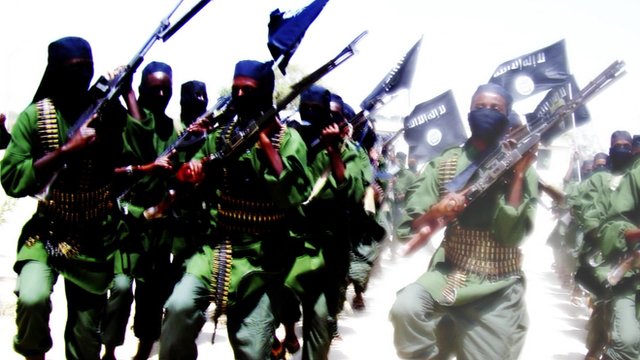
As SOFREP has previously reported, the typically inherent inability of African nations to maintain accountability over their porous borders provides robust freedom of movement for Islamist militant groups (i.e. Boko Haram and Ansaru in Nigeria and Cameroon, Seleka and other militant groups in the CAR and Cameroon, al-Shabaab in Somalia and Kenya, and the LRA in Uganda, the CAR, and DROC, etc.).
With the uninhibited freedom of movement offered to radical Islamist groups, an influx of radical thoughts and influence are also being introduced to unwitting groups of Christians, moderate Muslims, and other groups of people in affected regions.
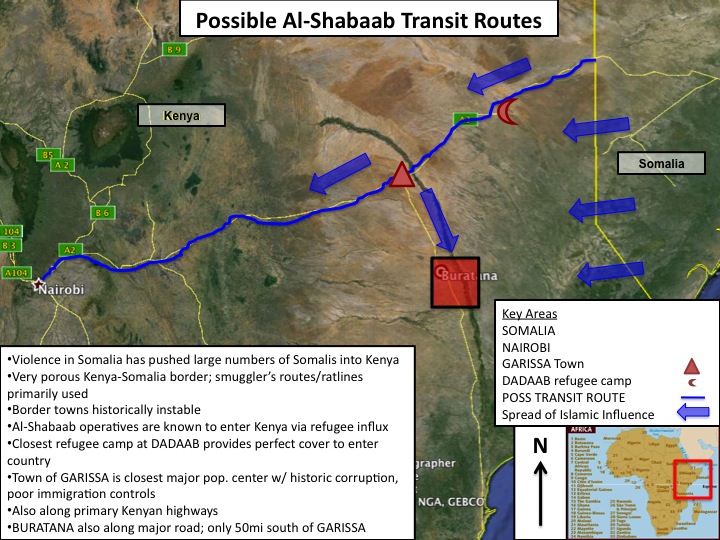
MK’s work in northeast Kenya tactically depicts the relatively stable but fluid security situation in a region where al-Shabaab operatives and other Islamist militant groups are able to travel virtually uninhibited. According to reporting regarding border security issues in recent years, al-Shabaab fighters are able to easily cross into Kenya under the cover of refugee status. Upon reaching one of the major refugee camps in the region, Dadaab, operatives are able to access Kenya’s major transportation routes and work their way deeper into the country.
As one of East Africa’s leading economic powerhouses, it remains to be seen whether or not Kenya will be able to dedicate enough resources to securing its northeast border, especially in light of the Westgate Mall attack last year.
Thanks for listening.
Feature Image courtesy of the BBC.








COMMENTS