

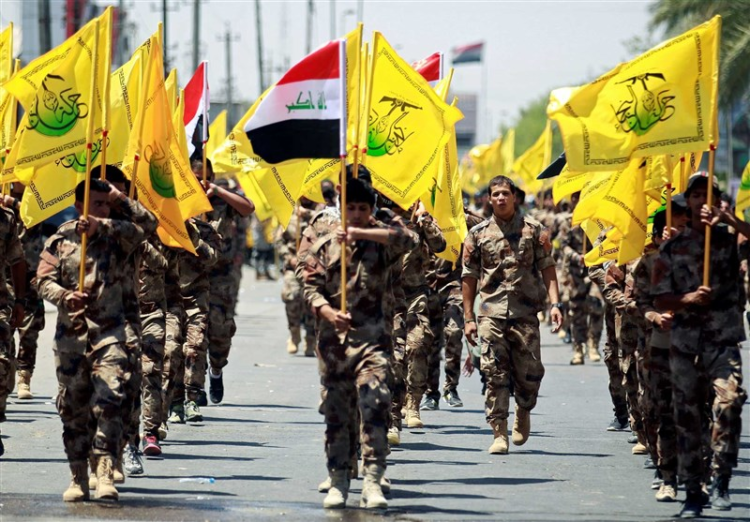
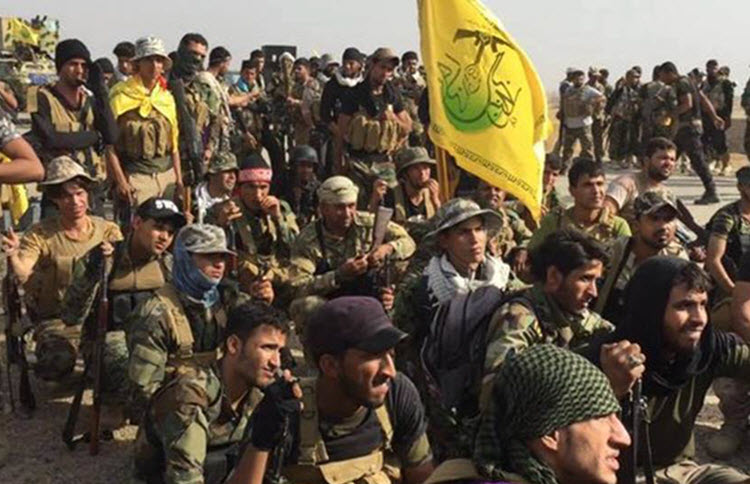
The very small voter turnout had no bearing on the election’s results. Despite the Iranian militias’ protests, the Iraqi people roundly rejected their continued presence.
The results were praised by the United States, the UN Security Council, and others for being the smoothest in years and without major technical glitches.
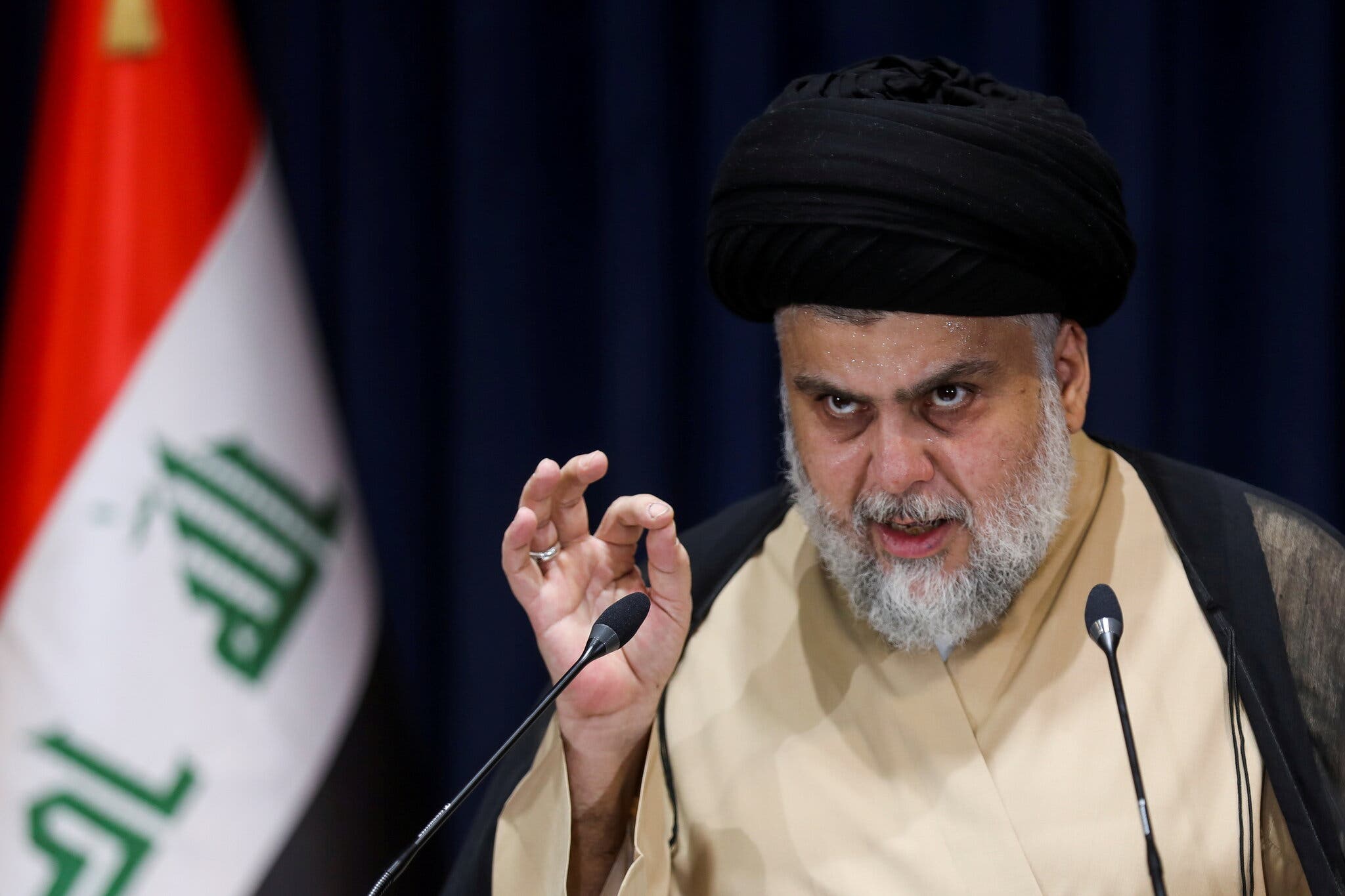
The biggest winner appears to be Shiite cleric Muqtada al-Sadr, who won 73 out of 329 parliament seats. While he maintains good relations with Iran, al-Sadr publicly opposes external interference in Iraq’s affairs. The Taqadum party led by Parliament Speaker Mohammed al-Halbousi, a Sunni, came second with 37 seats. Former Prime Minister Nouri al-Maliki’s State of Law bloc won 35 seats.
Back in 2004, the followers of al-Sadr fought with U.S. forces in Baghdad and across the southern provinces. The United States pledged to kill or capture him. He was considered, after al-Qaeda and ISIS, as the top threat against the U.S.-led coalition.
Now, the once firebrand cleric has softened his tone somewhat and is beginning to emerge as an ally, although a distant one, of Washington in keeping the Iranians from furthering their influence in the country.
He welcomed all embassies into Baghdad as long as they don’t interfere with Iraq’s internal affairs.
“All embassies are welcome, as long as they do not interfere in Iraqi affairs and government formation,” al-Sadr said… “Iraq is for Iraqis only.”
Al-Sadr Wants to Disarm the Militias
Al-Sadr addressed Iranian proxy militias and called for their disarmament.
“From now on, arms must be restricted in the hands of the state,” he said in an address broadcast on Iraqi state television. “The use of weapons shall be prevented outside of the state’s framework,” even for those claiming to be the “resistance” to the U.S. presence, he added. “It is time for the people to live in peace, without occupation, terrorism, militias, kidnapping, and fear.”
The militias claim that they don’t answer to the Iraqi government. Many fear that the militias are more powerful than Iraqi security forces.
The Iranian proxy militias lost a lot of support after they brutally put down a youth protest movement in 2019 and 2020. Despite the people rejecting them at the polls, they’re trying to force al-Sadr to include them in the cabinet.








COMMENTS