

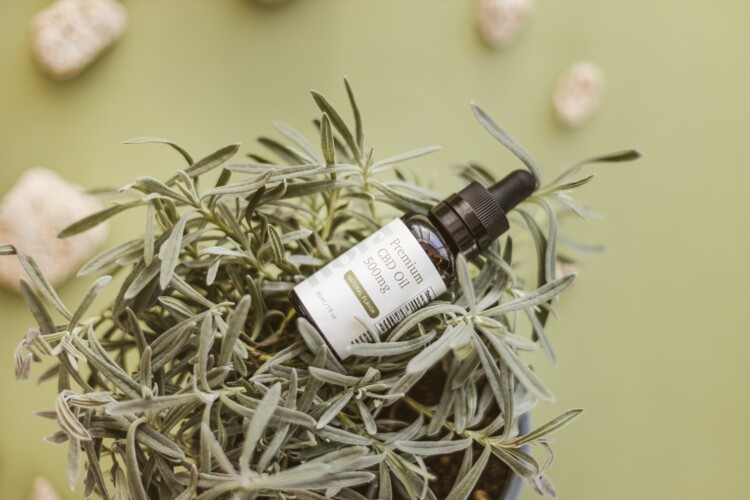

We’re not saying CBD is a magic cure-all. It’s not going to erase every issue we face as veterans. But it might be a helpful tool to have in our kit. So, CBD might be worth looking into whether you’re dealing with stress, pain, trouble sleeping, or any other service-related challenges.
- A Battle Buddy for PTSD: Many military veterans grapple with PTSD after their service, and it can be one tough cookie to beat. Research suggests that CBD might help reduce PTSD symptoms like anxiety and insomnia.
- Stress Buster: Who among us hasn’t dealt with a little (or a lot of) stress? CBD could help take the edge off. It’s believed to work with our body’s natural systems to help promote a sense of calm.
- Pain Patrol: Chronic pain can be a constant enemy for many of us, and it’s often one of the reasons why veterans turn to CBD. Some studies suggest CBD might help with managing that persistent discomfort.
- Sleep Sergeant: Insomnia keeping you up at night? CBD could help. It’s been shown to improve sleep, which can be a game-changer for veterans dealing with sleep issues.
- Support Against Substance Abuse: This one’s more delicate but essential. Some vets turn to substances to cope with service-related challenges. CBD has been studied for its potential role in supporting addiction recovery, and the results are promising.
- A Mood Booster: Life can sometimes feel like an uphill battle, especially when dealing with depression. Research shows CBD might help uplift your mood and improve overall mental health.
4 CBD-Related FAQs Answered
If you’re still on the fence, here are some common questions CBD newbies ask.
Is CBD legal?
This one’s tricky. CBD is federally legal in the U.S. as long as it’s derived from hemp and contains less than 0.3% THC. But some states have their own rules, so checking local laws is a good idea.
Will CBD show up on a drug test?
Typically, no. Most drug tests are looking for THC, not CBD. But if the CBD product you’re using has a bit of THC (like some do), there’s a slight chance it could appear. Always make sure to buy from reputable sources that offer lab results.
How do I take CBD?
CBD comes in different forms:
- Oils you can drop under your tongue.
- Capsules you can swallow.
- Creams you can rub onto your skin.
- Even gummies you can eat.
The best way to take it depends on why you’re using it and what works best for you.
Is CBD safe?
So far, research suggests that CBD is generally safe, but like with any supplement, there can be some side effects. Things like dry mouth, drowsiness, or changes in appetite can happen.
Talking with your healthcare provider before using CBD is always a good idea.
Should Military Veterans Take CBD?
The bottom line? CBD could be a helpful ally in our health journeys, whether dealing with stress, sleep issues, chronic pain, or any other service-related conditions.
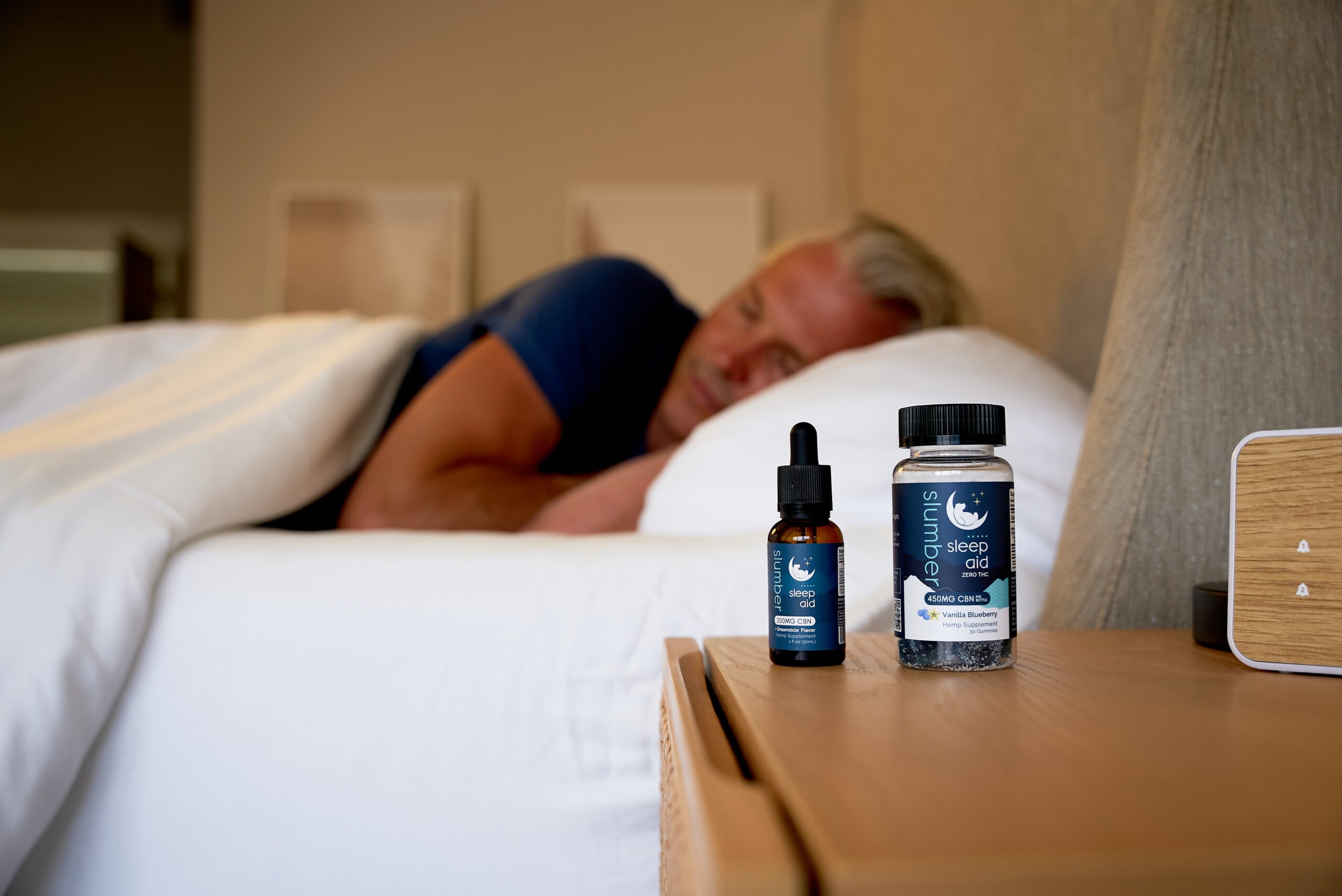
But remember, just like every mission needs careful planning, it’s essential to do your homework before diving into CBD. Talk to your healthcare provider, check out the research, and listen to your body.
Everyone’s different, so what works for one veteran might not work for another. But if CBD can make a slight difference in improving our quality of life, it’s worth exploring.








COMMENTS