
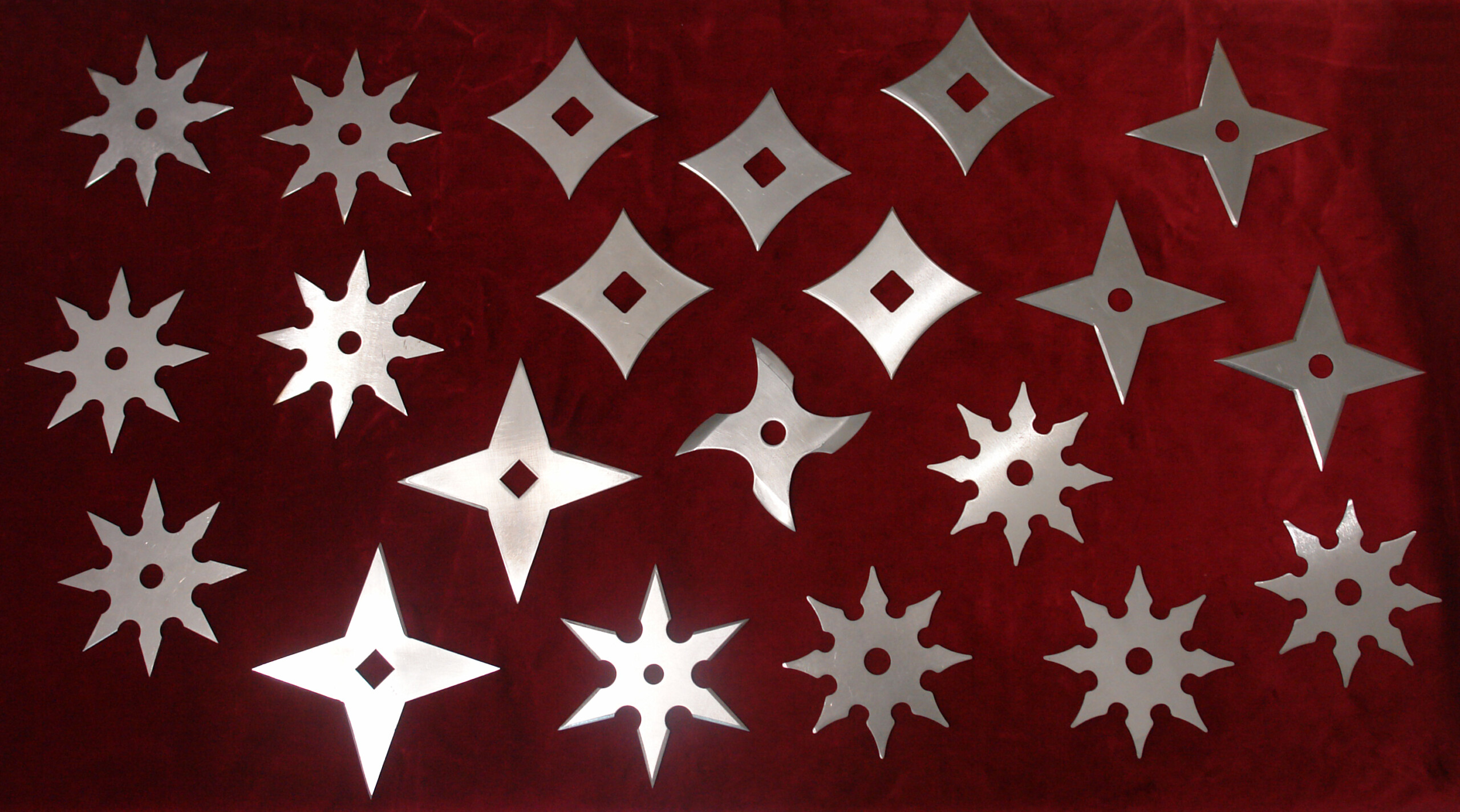
It’s like having a toolbox with just the right tool for every job. And the materials? They ranged from iron and steel to more precious metals like gold and silver, each chosen for specific tasks and targets.
The Art of Throwing: Techniques of Ninja Stars
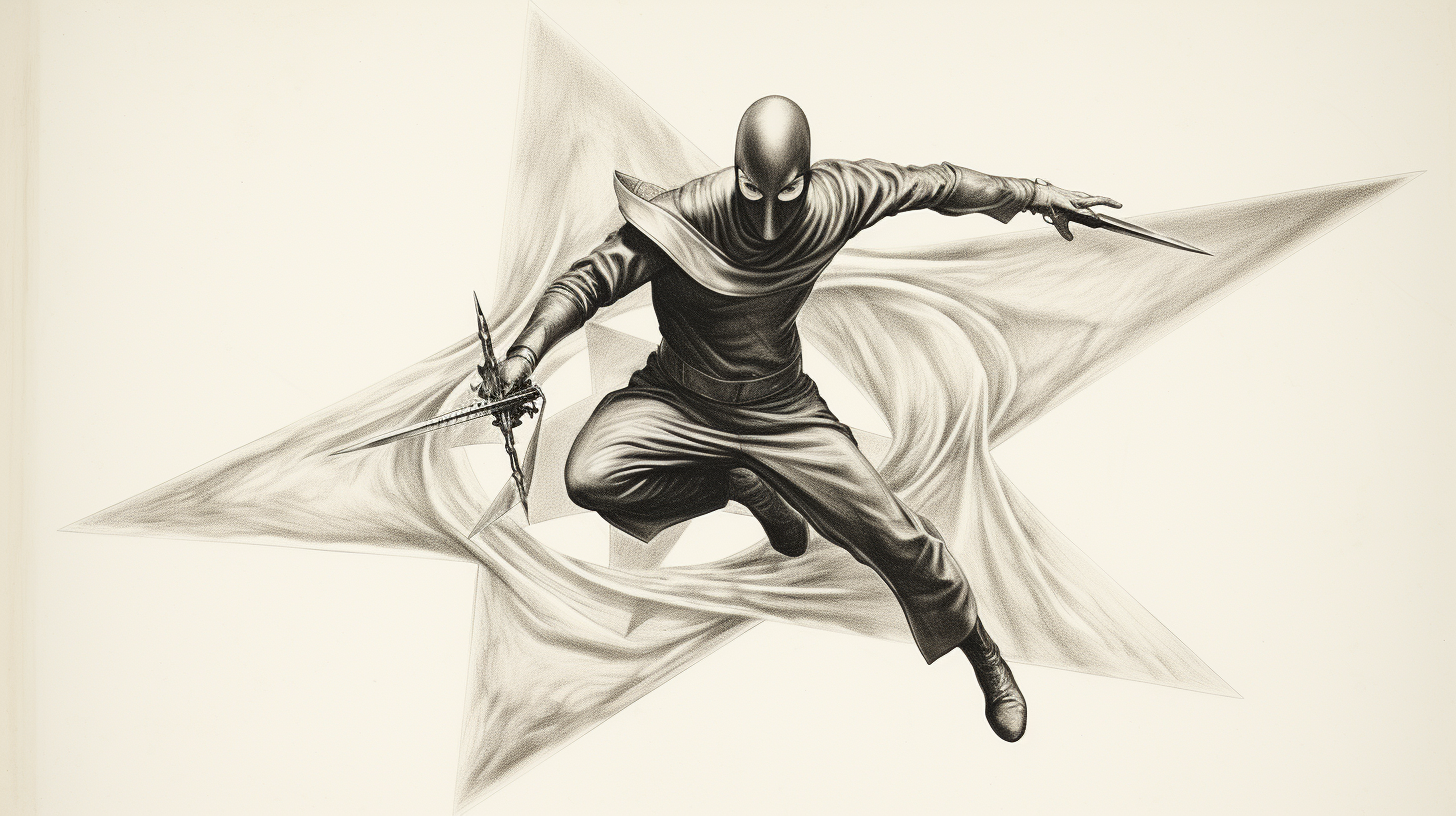
Throwing ninja stars is more complex than grabbing one and letting it fly. It’s an intricate dance, a blend of science, skill, and a little bit of that ninja magic. Let’s take a closer look at what makes this art so unique.
- The Grip: Whether it’s the “blade pinch” grip, where you hold the star by one of its sharp edges, or the “star pinch,” where you grasp it between two points, the way you hold the ninja star matters. It affects everything from the spin to the trajectory.
- The Stance: A proper stance sets the foundation for a successful throw. Ninjas would position their feet, align their bodies, and focus their minds, all to achieve that perfect balance and control.
- The Throw: Here’s where it gets exciting. Different throwing methods include the overhand, underhand, and sidearm techniques. Each one has its unique application and effect. An overhand throw might be used for power and distance, while a sidearm technique might allow for a more subtle, sneaky approach.
- The Aim: It’s not just about hitting the target; it’s about hitting it in the right spot, at the right angle, with the right amount of force. That’s where understanding physics comes into play. Trajectory, velocity, wind resistance—ninjas had to consider all this without the help of fancy gadgets or computer simulations.
- The Stealth Factor: Here’s the secret sauce of ninja throwing: doing all this without being detected. Imagine throwing a ninja star so skillfully that it hits the mark without giving away your position. That takes a different level of mastery, separating the real ninjas from the wannabes.
Ninja Stars in Modern Times: From Battlefields to Dojos
Think ninja stars are a thing of the past? Think again. These timeless tools have made their way into modern martial arts dojos, movies, and sporting events.
While traditional techniques still exist, today’s enthusiasts also experiment with new materials and designs, adapting ancient art to contemporary tastes.
Ninja stars aren’t just relics. They’re living legends, continuing to inspire and evolve.
Safety and Responsibility: Handling Ninja Stars with Care
Let’s get one thing straight: Ninja stars are not toys. Handling them requires understanding and respect for what they are and what they can do.
That’s why training under a knowledgeable instructor is so necessary. It’s not just about learning to throw; it’s about understanding the ethics, the responsibility, and the proper care of these tools.
Remember, with great power comes great responsibility, even in the world of ninja stars.
The Continuing Legacy of Ninja Stars
The journey through the world of ninja stars reveals a rich tapestry of history, design, technique, and cultural significance.
Far from being just relics of history or mere props in action movies, ninja stars continue to have a living presence and remain a source of inspiration. They are windows into a world where skill, artistry, and philosophy intertwine, capturing the imagination of those willing to explore.
The legacy of ninja stars is vibrant, inviting all to discover, learn, and perhaps even take up the art themselves.








COMMENTS