

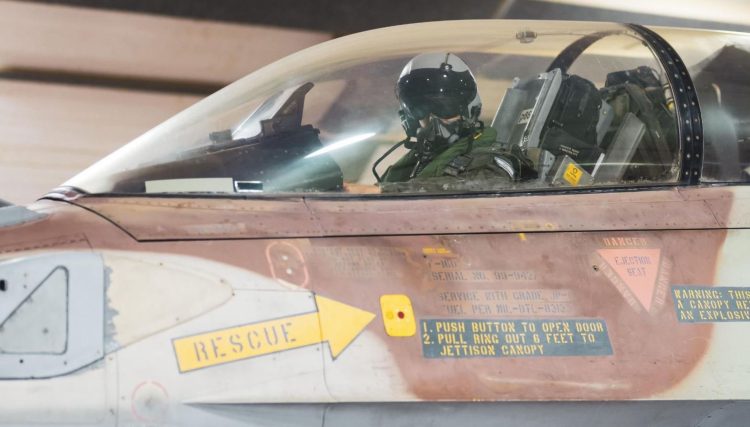
And the mission wasn’t a one-note symphony. Israeli war planners went after military installations, weapons storage sites, and even private residences belonging to key Iranian officials. These strikes caused widespread chaos, with some civilian casualties, fires, and destruction across several urban centers. Tehran, in particular, looked like it had taken a direct punch to the solar plexus—staggering but not yet collapsed.
The strategic impact? Catastrophic for Iran, at least in the short term. Natanz—crippled. Missile development—crippled. Leadership—decapitated. The IDF claims Operation Rising Lion has set back Iran’s nuclear timeline by years and thrown a wrench into their chain of command.
Iran’s proxies in Hezbollah and across Iraq and Syria are still awaiting orders—orders that may never come now that the upper echelons are either dead or digging bunkers.
As the smoke settles, one thing is certain: Israel achieved its immediate objective—to blowtorch Iran’s nuclear and military command before it could become an existential threat. In Tel Aviv, it’s seen as the most decisive military action since the Yom Kippur War. In Tehran, it’s being called an act of war. And it was…but they had it coming.
But this isn’t over—not by a long shot. Iran has already launched drones in retaliation, and while most were intercepted, the intent is clear: they’re not backing down. The region is on a razor’s edge, and everyone’s just waiting for the next trigger pull.
Strap in. The lion’s still roaring.
Iran’s Retaliation: The Drone Onslaught
Iran didn’t wait long to answer back after Israel dropped the hammer with Operation Rising Lion. Within hours of the Israeli airstrikes tearing through Iran’s nuclear and military infrastructure, the Islamic Republic fired back with a drone barrage that could be heard around the region—if not physically, then politically.
The main punch came in the form of over 100 drones, launched early Friday morning. These weren’t your garden-variety surveillance UAVs either—we’re talking Shahed-136 drones, the same explosive-laden models Iran has shipped to Russia for use in Ukraine. This time, though, they were aimed squarely at Israel. The plan was timed with military precision: Iranian officials expected the drones to enter Israeli airspace by noon local time, giving just a few hours’ window from launch to impact. It was a swift, high-stakes game of aerial chicken.
🚨 BREAKING: Iran has launched over 100 drones toward Israel in the past few hours.
The IDF confirms it is actively working to intercept the incoming drones.
Israelis are urged to stay alert as defense systems engage the threat. pic.twitter.com/mJTCR0LIRr
— ILTV Israel News (@ILTVNews) June 13, 2025
Israel saw it coming. Their air defense network—arguably one of the most layered and battle-tested in the world—kicked into high gear. Iron Dome batteries, David’s Sling, and whatever other toys they had on standby were quickly activated to intercept the incoming threats. Israeli officials made it clear: they were expecting this and were ready. And based on early reports, most, if not all, of the drones were taken out before they could do any real damage.
Iran’s leadership didn’t mince words either. Supreme Leader Ayatollah Ali Khamenei called Israel’s strikes a blatant act of war and warned the country to “await a harsh response.” That message wasn’t mere rhetoric—it was a green light for escalation. And Israel took it seriously. They declared a state of emergency, shut down Ben Gurion Airport, and mobilized tens of thousands of troops. Air raid sirens wailed across cities, and every inch of Israeli airspace was put on high alert.
Interestingly, Iran held back on launching missiles in this first retaliatory wave. That suggests either a calculated approach to escalation—or they’re saving the bigger punches for later. The drones were clearly meant as a direct reply to Israel’s targeted assassinations and facility strikes, and while no specific Israeli sites hit the news as confirmed targets, the intent was unmistakable: strike Israeli soil, fast and hard.
On the home front in Iran, civilian casualties from the Israeli strikes were already fueling rage. State media reported that children were among the dead in Tehran, and images of fire, rubble, and wounded civilians were splashed across screens to rally public support. That emotional firepower is now backing Tehran’s war machine as it considers the next steps.
The broader region isn’t exactly taking this sitting down either. Tensions have spiked from Jordan to the Gulf, and even the United States has quietly moved assets into position in case things go further off the rails. Airports are locked down, embassies are bracing for fallout, and foreign militaries are watching for signs this may spill beyond Israel and Iran.
To sum it up: Iran’s drone response to Operation Rising Lion was fast, aggressive, and heavy on symbolism. It was about hitting back fast and making a statement. And though the actual physical damage may have been limited thanks to Israeli defenses, the psychological and strategic impact has been loud and clear. This conflict’s fuse is still burning, and both sides are holding the matchbox.
The Road Ahead: Uncertain Horizons
The duration and scope of the conflict remain uncertain. War is funny that way; it doesn’t really come with an expiration date.
While Israel has declared a state of emergency and remains on high alert, Iran’s capacity for sustained retaliation is under scrutiny. Analysts suggest that while the immediate threat of large-scale conflict may be contained, the risk of proxy engagements and regional instability persists.
Iran has been warned not to touch American targets. Whether they will comply or not remains to be seen.
The international community, including the United Nations and the International Atomic Energy Agency, has expressed deep concern over the escalation.
Calls for restraint and a return to diplomatic negotiations are growing, but the path forward is fraught with uncertainty.
Keep checking back with SOFREP for the latest on the situation. This fight is nowhere near over.








COMMENTS