

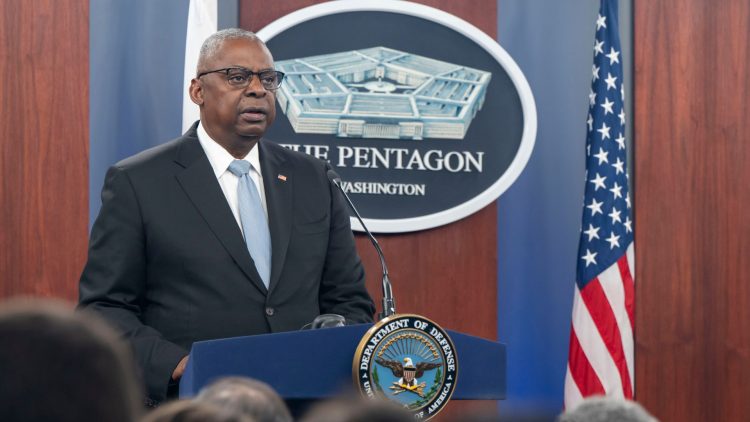
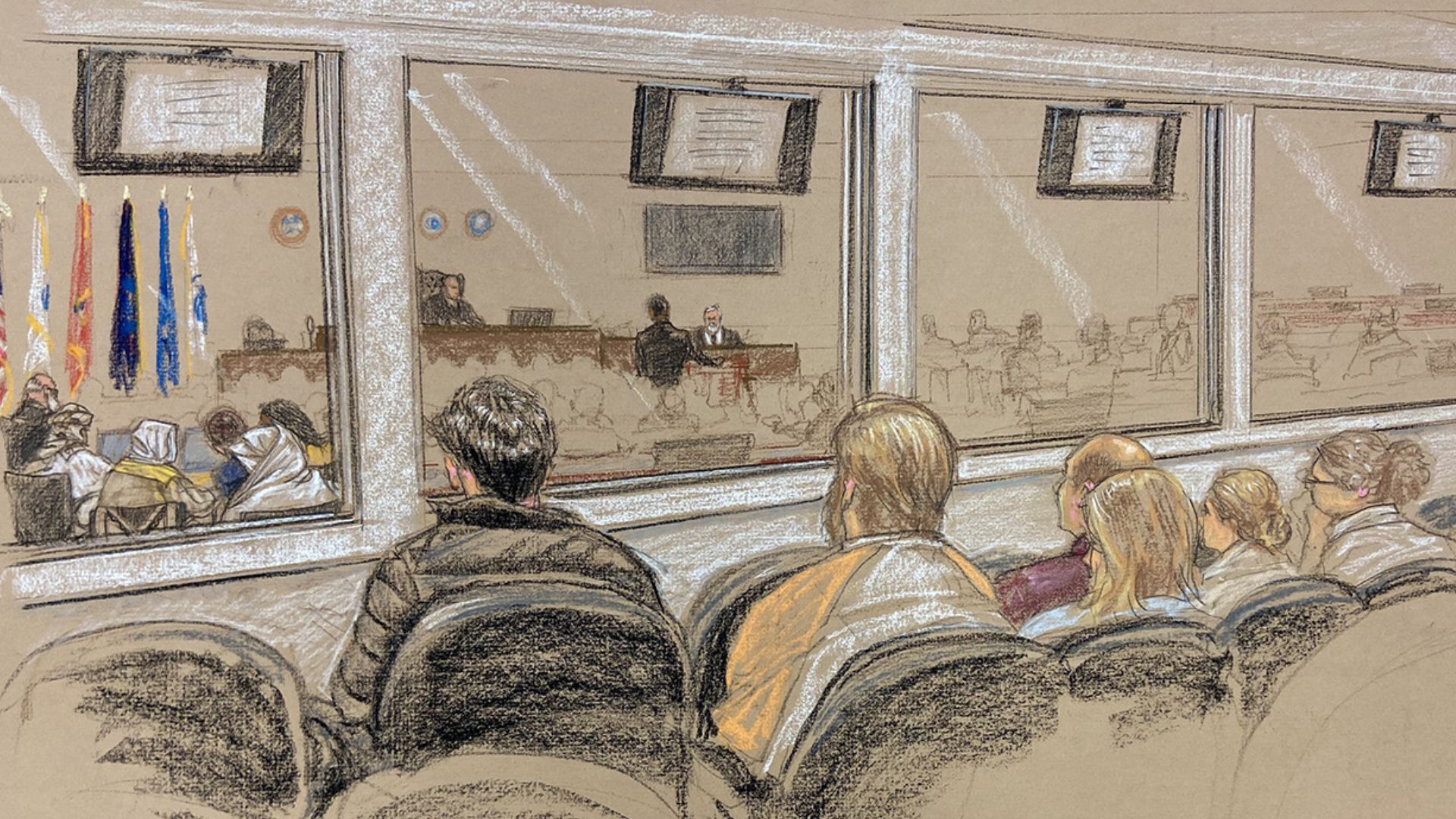
Three days later, on November 9, the Pentagon said it would appeal McCall’s decision and seek a postponement of any plea hearings.
The plea deals, negotiated by government prosecutors and approved by military commission officials, have been controversial from the start.
They offer a potential end to the long-delayed prosecution of the 9/11 defendants but come at a cost—foregoing the possibility of death sentences.
The Defense Department’s move to appeal signals a broader conflict within the US government over how to handle the case, which has been plagued by legal complexities for over two decades.
The Case Against Plea Deals
The plea agreements have sparked outrage among Republican lawmakers and some 9/11 victims’ families.
Critics argue that sparing the defendants from the death penalty undermines the pursuit of justice for the nearly 3,000 people who lost their lives on September 11, 2001.
For these families, a full trial culminating in a potential death sentence represents not just accountability but a chance to confront the men accused of orchestrating the attacks.
“This feels like a betrayal,” some family members have said, lamenting that the plea deals strip them of the opportunity for closure.
Terry Kay Rockefeller, whose sister Laura died in the attacks, expressed mixed feelings.
“I would have liked a trial of men who hadn’t been tortured, but we got handed a really poor opportunity for justice, and this is a way to verdicts and finality,” she told The Washington Post.
Her sentiment underscores a sobering reality of how the legacy of torture and legal mismanagement has left many people believing that true justice is beyond reach.
The Military Judge’s Reasoning
As earlier mentioned, McCall’s ruling centered on the limits of Austin’s authority, which, in some ways, highlighted a fundamental tension between the military commission’s independence and the Defense Department’s oversight.
The plea deals themselves reflect the troubled legal history of the 9/11 case.
The defendants’ confessions, obtained under Central Intelligence Agency (CIA) torture has led to years of pretrial hearings over the admissibility of evidence.
Legal experts argue that these complications make it unlikely the case could ever proceed to a traditional trial with a death penalty outcome.
The plea deals, while controversial, are seen by some as the only viable path to securing convictions and ending the protracted legal saga.
A Long Road to Closure
For the families of 9/11 victims, the Pentagon’s appeal raises yet another set of complex emotions.
Some see it as a necessary step to ensure justice is served, while others worry it will only prolong their pain.
The appeal process, coupled with the potential for further legal battles, could delay resolution for years.
Meanwhile, the defendants, who have been held at Guantánamo Bay for over two decades, face an uncertain future.
The stakes are high not only for the victims’ families but also for the US legal system.
The case has become a symbol of the challenges in balancing justice and due process, particularly in the context of national security and human rights.
The destruction of CIA interrogation videos, the use of “clean teams” of Federal Bureau of Investigation (FBI) agents to re-interrogate defendants, and questions about Austin’s authority all point to a deeply fraught prosecution.
What’s Next?
The Pentagon’s appeal will now move to higher courts, where judges will grapple with whether McCall’s ruling stands.
If the plea agreements are ultimately upheld, they could set a precedent for resolving other complex cases in the Guantánamo system.
If overturned, the 9/11 case could return to square one, leaving victims’ families in limbo once again.
At its core, this legal battle underscores the difficulty of delivering justice in cases marred by past mistakes. Whether the defendants face life sentences or the death penalty, the ultimate goal remains elusive: closure for the families of the victims and accountability for those responsible for one of the most heinous crimes in US history.








COMMENTS