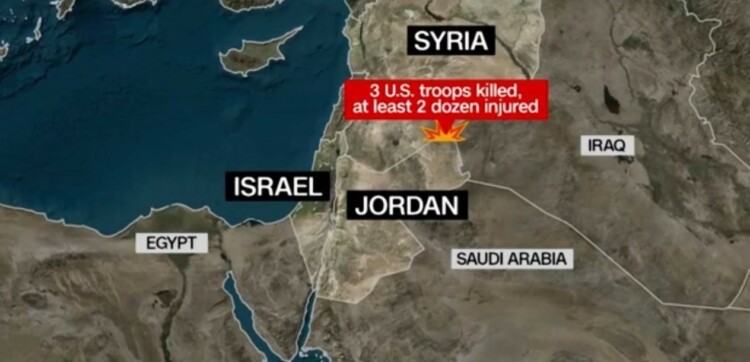
In a solemn briefing, Pentagon spokesperson Sabrina Singh unveiled the heart-wrenching human toll of a drone strike in Jordan, where three Army Reserve soldiers met their untimely demise, igniting a fervent debate among U.S. lawmakers on the path forward in a region shadowed by escalating tensions and the specter of war.
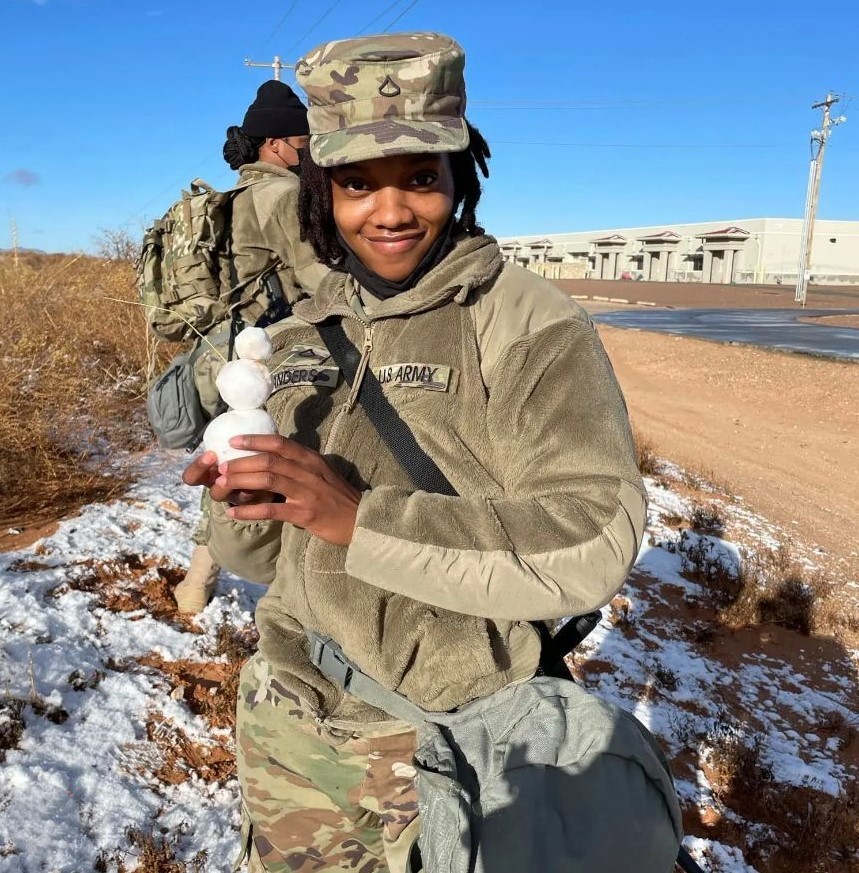
The Pentagon has released the names of the deceased following notification of their families.
The Pentagon revealed on Monday that a drone strike conducted by an Iran-affiliated militia at a logistics base in Jordan led to the tragic loss of three Army Reserve soldiers. The deceased, Sgt. William Rivers, 46, Spc. Kennedy Sanders, 24, and Spc. Breonna Moffett, 23, were all affiliated with the 718 Engineer Company based in Fort Moore, Georgia. Pentagon spokesperson Sabrina Singh disclosed this information during a media briefing about the distressing event.
Advertisement
Surge in Casualties and Medical Evacuations
Singh reported that the strike not only resulted in fatalities but also injured over 40 military personnel, marking a significant upsurge in the violence against U.S. forces in the region. The count of injured personnel has escalated, with at least 34 confirmed injuries by Sunday evening. The severity of injuries led to the evacuation of eight critical cases to the Baghdad Diplomatic Support Center in Iraq, with further plans to transport three of these individuals to the Landstuhl Regional Medical Center in Germany for specialized care.
Background: Increased Military Engagement in the Region
The attack occurred in a broader context where the U.S. has intensified its military activities, particularly against the Houthi rebels in Yemen, accused of targeting commercial shipping lanes. This has escalated the involvement of U.S. and allied forces in the region.
Advertisement
Details of the Attack and Investigation
The Jordan strike, attributed to an Iranian-backed militia, represents a significant escalation in the series of attacks that began on October 17, involving drone, mortar, and missile strikes. Reports suggest the attacking drone may have evaded detection by mimicking a U.S. drone, a detail currently under investigation by the U.S. Central Command.
Army Specialist Kennedy Ladon Sanders of Waycross, Georgia (shown here as a PFC) was one of the three soldiers killed in the attack. In a recent Facebook post announcing her death, her father wrote, “Our family would like to thank you for the respect given to Kennedy. Munchkin will be missed by many.”
Political Reactions and Calls for Retaliation
The incident has sparked a wave of reactions among U.S. lawmakers. Senator Tom Cotton vehemently stated, “The only answer to these attacks must be devastating military retaliation against Iran’s terrorist forces, both in Iran and across the Middle East.” Representatives Michael Waltz and Dan Crenshaw hinted at a forceful approach similar to the past U.S. action against Iranian Gen. Qassem Soleimani.
Advertisement
Calls for Measured Response and Congressional Approval
In contrast, key Democrats in Congress, such as Senate Foreign Relations Committee Chairman Ben Cardin and Rep. Adam Smith, advocate for a calculated and proportionate military response. Concurrently, President Biden faces pressure from within his party and anti-interventionist Republicans, demanding cautious military action and seeking explicit congressional authorization for significant military operations in the Middle East.
The attacks on American servicemembers in the region continue with no end in sight.