

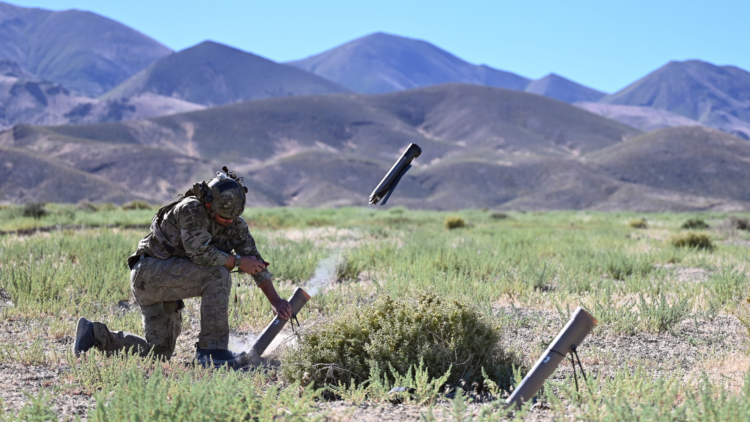
Nonetheless, the kamikaze drone initiative aims to reshape the chessboard of warfare, with logistics, command and control, and eyes in the sky (and on the ground) playing as important a role as weapons themselves.
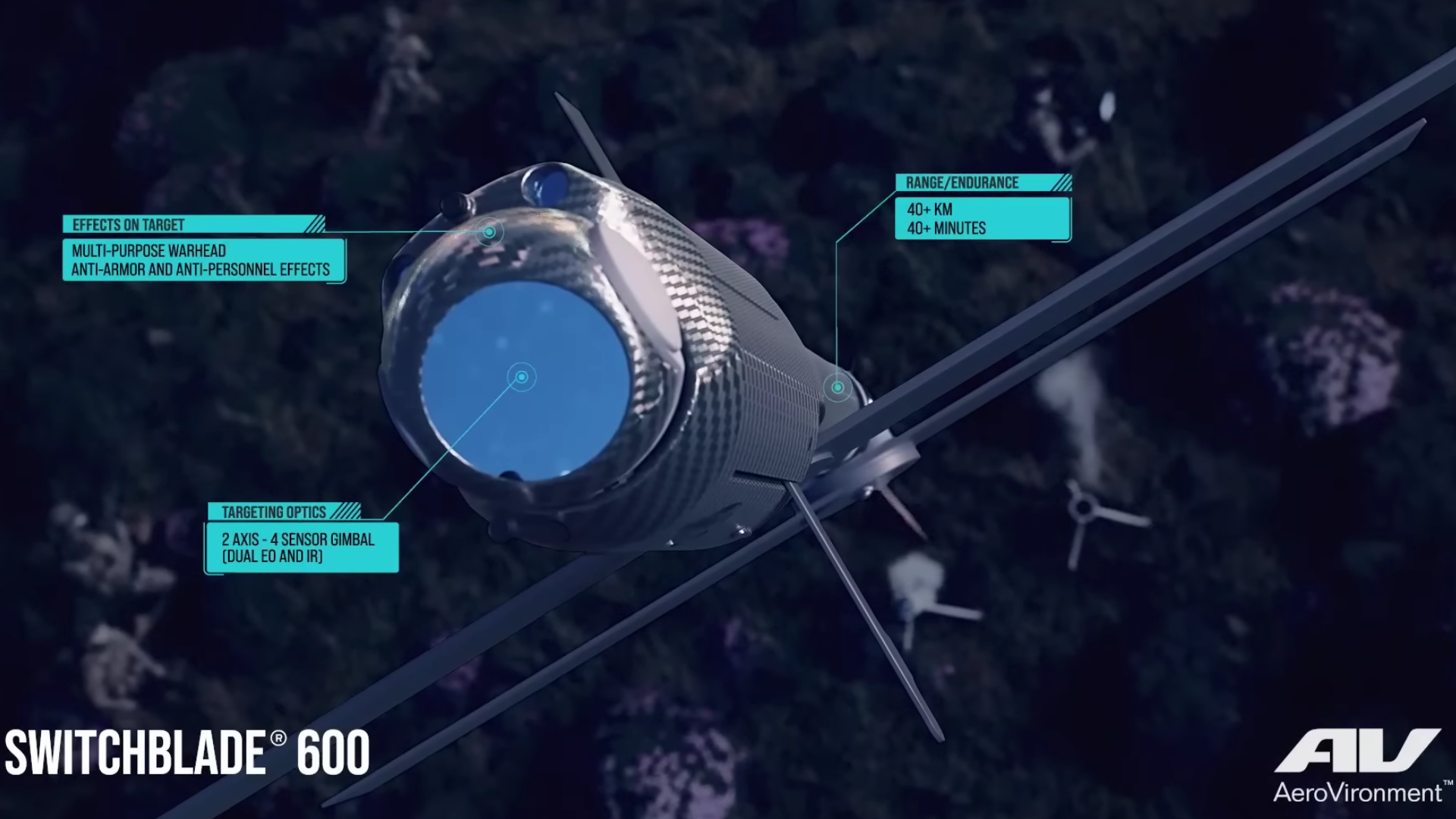
The Switchblade 600 might be the poster child for this initiative, but it’s just the beginning.
Countering China with Innovation
The Pentagon’s gaze on the Switchblade 600 as a cornerstone of the Replicator initiative isn’t just a random choice.
It’s a calculated move in the grand scheme of maintaining a step ahead of China’s burgeoning military prowess.
This initiative isn’t just about keeping up; it’s about setting the pace and pushing the boundaries of what unmanned systems can do on land, in the air, and at sea.
Swarming the Seas: Unmanned Surface Vessels Dominate
And speaking of the sea, let’s not overlook the Pentagon’s plans to unleash a swarm of unmanned surface vessels.
These aren’t your average boats; these are autonomous, agile platforms ready to dominate strategic waterways like the Strait of Taiwan.
The concept? Deploy hundreds, maybe thousands, of these unmanned “interceptor” boats under the Production-Ready, Inexpensive, Maritime Expeditionary project.
The goal is clear: to outmaneuver a numerically superior Chinese Navy with innovation and agility.
Naval analyst Bryan Clark points out the critical nature of these kinetic, lethal unmanned surface vessels.
“This is their effort to try to get some new kinetic, lethal USV fielded that can be employed probably in a western Pacific context – maybe the Strait of Taiwan,” Clark told USNI News in late January. “They want to go out to the commercial world and say, ‘Alright, what do you got in terms of kinetic, lethal USVs that can be produced at scale’.”
The idea is to field these assets rapidly, addressing the ever-present threats in the Western Pacific.
It’s about leveraging commercial expertise and the latest in tech to ensure the US maintains its edge in contested waters.
Beyond Weaponry: A Symbol of American Resolve
The Replicator initiative, with its focus on the Switchblade 600 and the envisioned swarms of unmanned surface vessels, represents a significant shift in how the Pentagon approaches warfare.
It’s not just about matching the opponent’s weapon for a weapon; it’s about reimagining the battlefield, where unmanned systems play a pivotal role in ensuring American superiority.
Adaptability and Innovation: America Playing to Win
This strategic pivot isn’t just about countering current threats; it’s a testament to the US’s commitment to innovation and adaptability in changing geopolitical landscapes.
As we stand on the brink of this new era of warfare, the Switchblade 600 and unmanned surface vessels are not just tools in our arsenal but symbols of American ingenuity and resolve.
In a world where the boundaries of warfare are constantly evolving, the United States, with its eye firmly on the future, is poised to remain a preeminent global power.
The Replicator initiative, with its blend of lethal precision and innovative unmanned systems, is more than just a response to the challenges posed by rivals like China.
It’s a bold statement of intent, a declaration that America is playing to win in the game of power.








COMMENTS