We armed a ghost army and when it vanished the keys and the guns stayed, so now our beige beasts roll under a foreign flag toward Pakistan as a seven billion dollar punchline to a war that ended with a mad scramble to the runway.
Read the full article for more on:
Important insights and detailed analysis
Expert commentary on current events
Breaking developments and updates
Updating summary...
Pic of the Day: Afghan Taliban Heading to Pakistan Border in American M1117 Guardian Vehicles
Guy D. McCardle
Speed
1x
Listen
COMMENTS
We armed a ghost army and when it vanished the keys and the guns stayed, so now our beige beasts roll under a foreign flag toward Pakistan as a seven billion dollar punchline to a war that ended with a mad scramble to the runway.
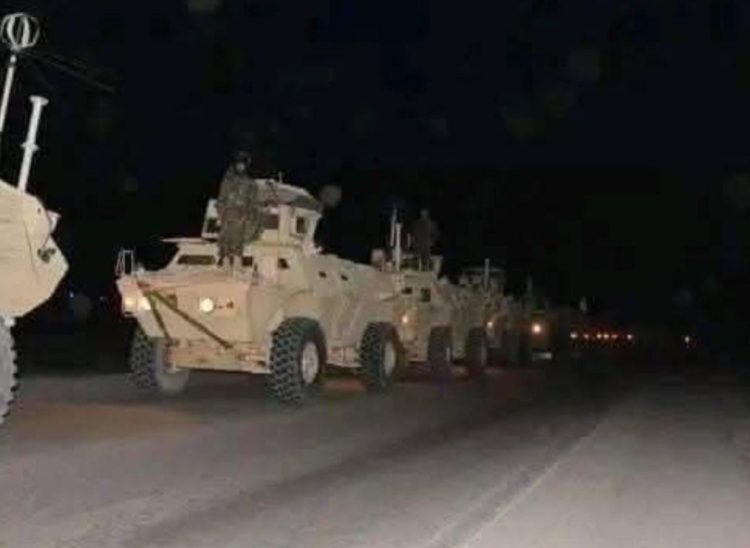
Taliban fighters drive abandoned American M1117 armored vehicles toward Pakistan—a seven-billion-dollar reminder of what we left behind. Image Credit: Reddit
Would someone please tell me why we didn’t deny the enemy and destroy all of our military equipment when the powers that be decided to “pop smoke” and leave Afghanistan?
Advertisement
Anyone? Anyone?
Yeah, I have no clue either.
But it does give us a photo opportunity. Today, we have a photo of what appears to be several American M1117 armored security vehicles heading toward the border of Pakistan to continue their ongoing border skirmishes.
Advertisement
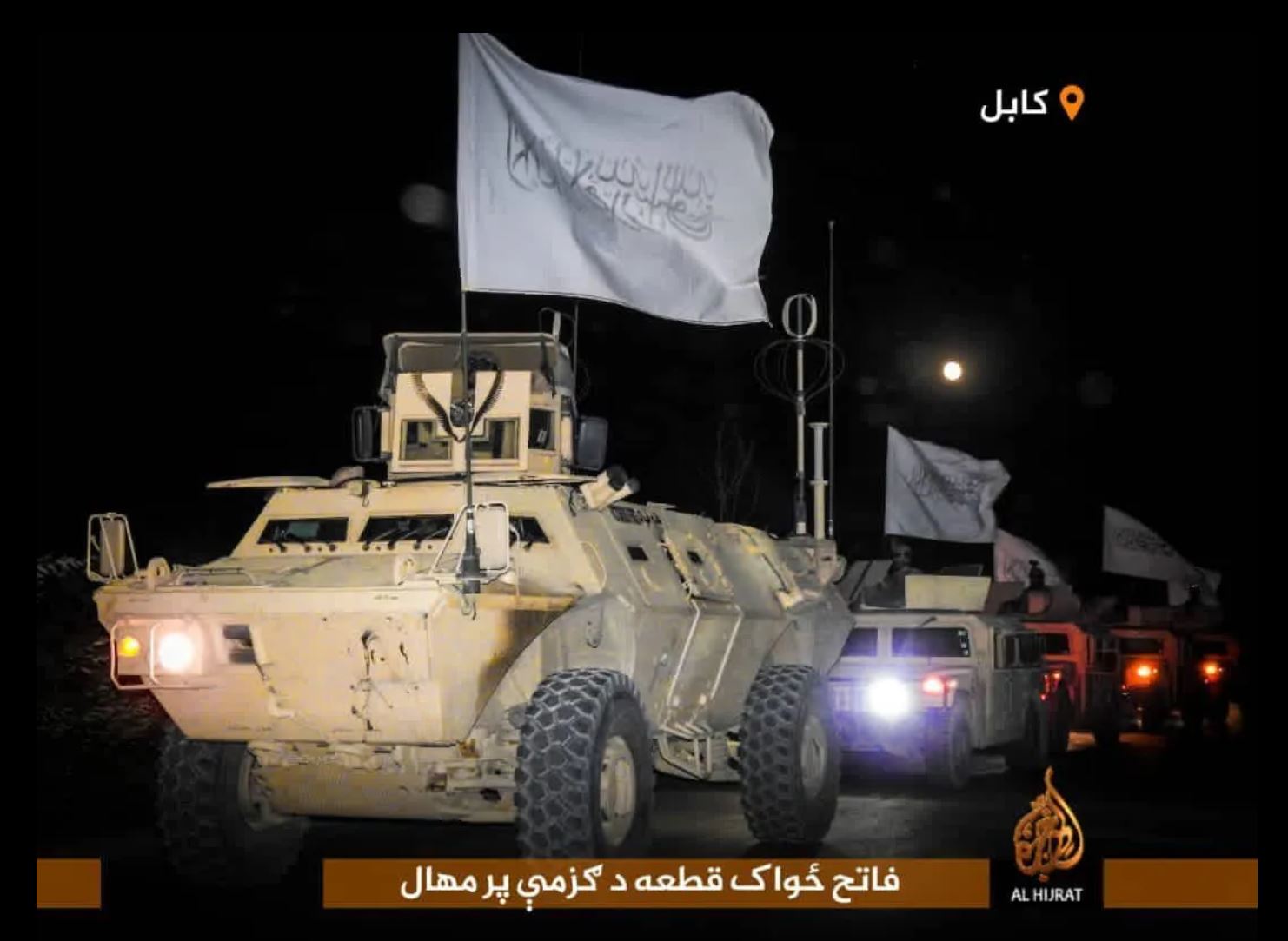
Flying the white Taliban Flag. Image Credit: The US Sun
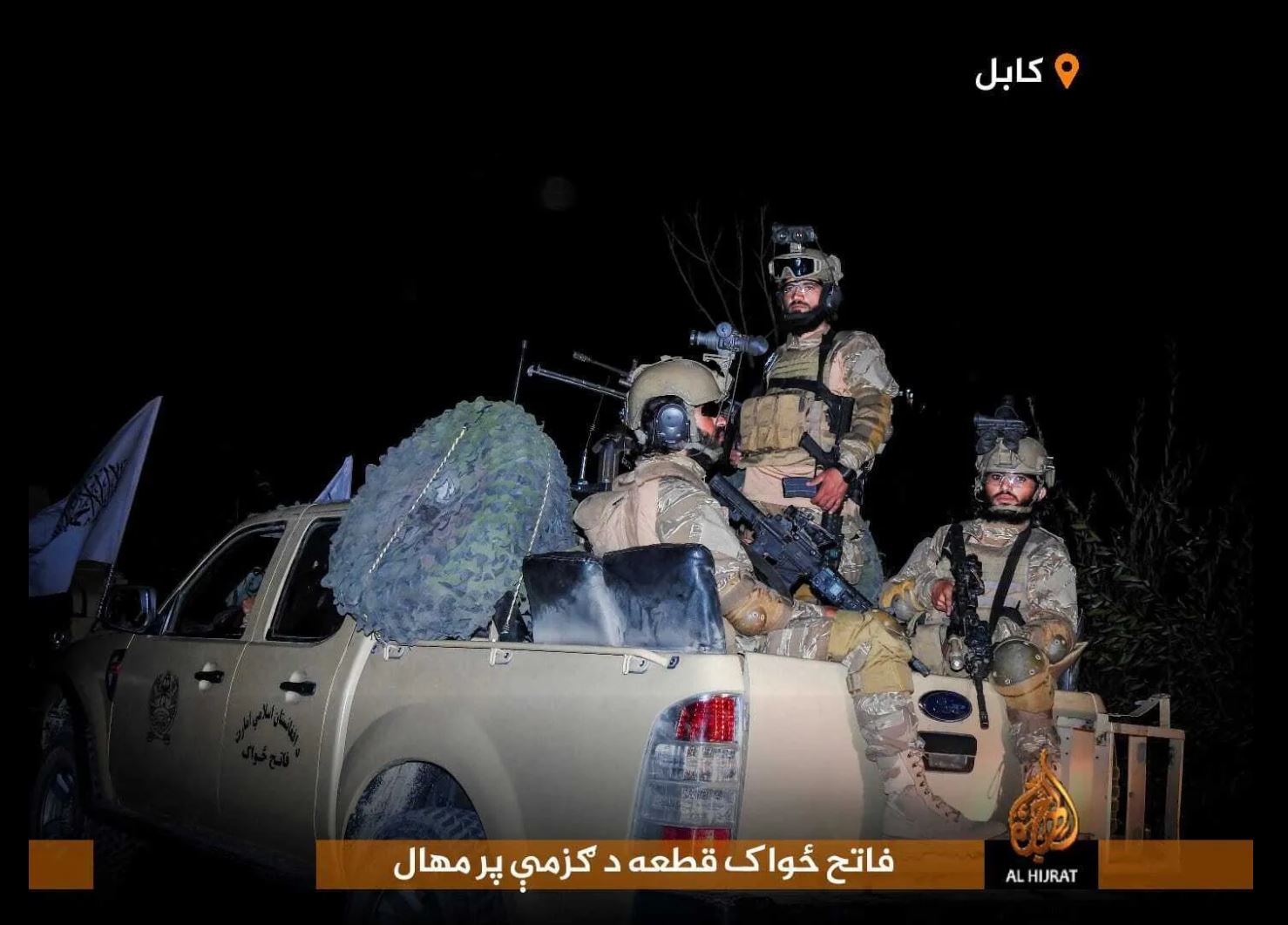
Taliban in an American pickup trying hard to look like us. Image Credit: The US Sun
Advertisement
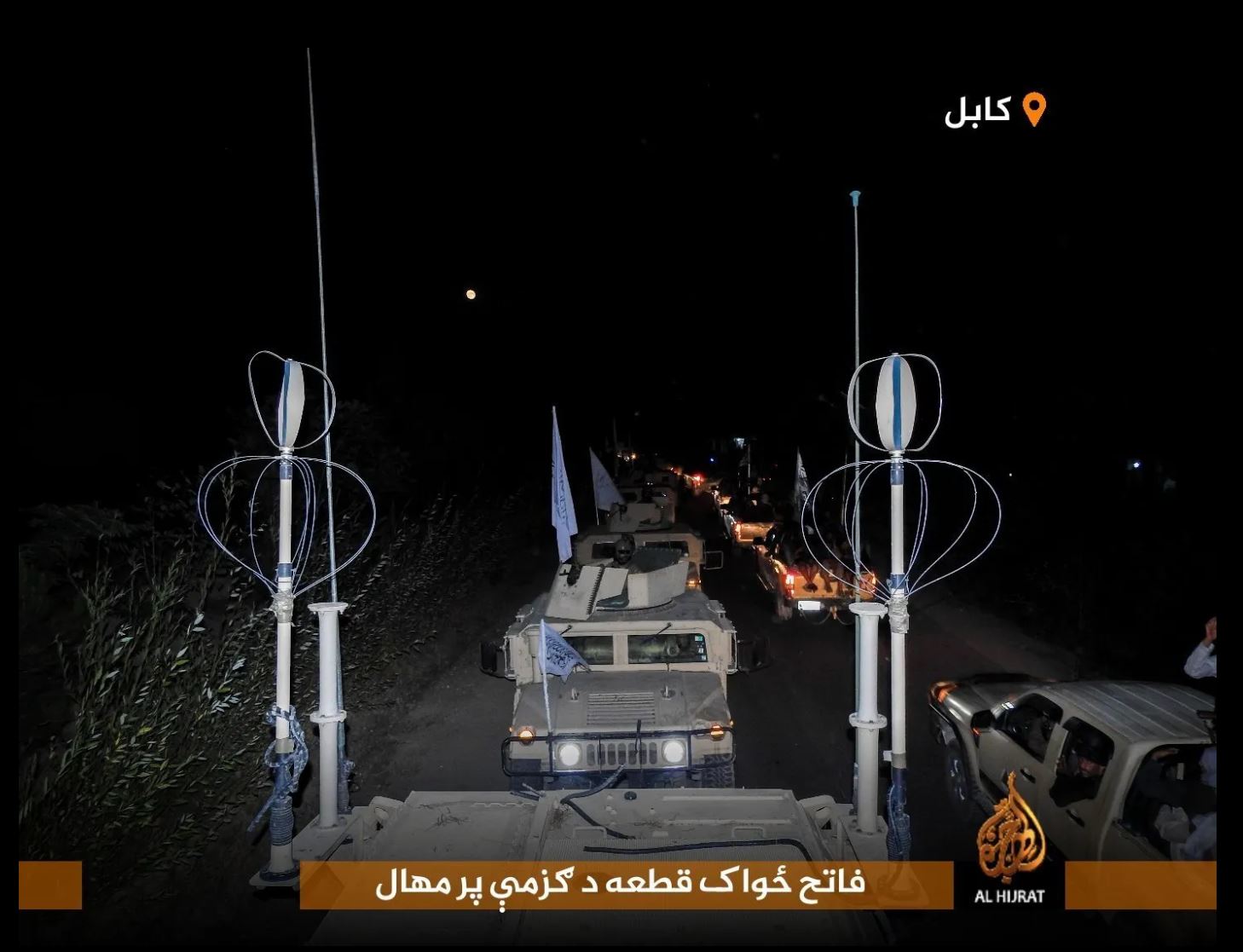
A parade of American Humvees driven by the Taliban. You get the point. Image Credit: The US Sun
The Arsenal We Left Behind
The featured photo tells a blunt story. Taliban fighters cruising an Afghan highway in American M1117 Guardian armored vehicles. The same beige boxes built to keep U.S. troops alive now carry Afghan Taliban troops in a spectacle that is part victory parade, part war souvenir. The question is not whether gear and equipment were left. It is how much, what kind, and why we did not torch the lot on the way out.
What Was Left
By the Pentagon’s own watchdog accounting, about 7.12 billion dollars’ worth of U.S. funded military equipment remained in Afghanistan when the Afghan government collapsed in August 2021. That sum came from gear previously transferred to Afghan forces over many years. When Kabul fell, it stayed put, and much of it ended up in Taliban hands.
The list reads like a mid-sized nation’s order of battle. A 2022 Defense Department report tallied 78 aircraft, about 40,000 military vehicles, and more than 300,000 individual weapons still in country. That haul spanned Humvees and MRAPs, cargo trucks, and armored vehicles like the M1117 Guardian. It included rifles and machine guns, along with night-vision and communications gear that give fighters an edge after dark.
Advertisement
SIGAR, the government’s Afghanistan watchdog, corroborated the picture and added color. U.S. and allied troops destroyed or disabled some gear in ad hoc scrapping runs at the Kabul airport and the U.S. Embassy compound in the final days, but vast stocks remained scattered on bases and in depots once the Afghan forces stopped showing up for work.
Much of the fleet was always going to be hard to keep running without U.S. contractor maintenance. The watchdogs warned operability would decay fast. Still, the Taliban have managed to keep a visible share of vehicles and weapons rolling, and some of those arms have turned up across the border markets that feed insurgents in Pakistan.
First, ownership. Most of the equipment had been formally transferred to Afghan security forces over two decades. It was not technically American property on paper by the end, which shaped both planning and options. The policy through summer 2021 still bet on an Afghan army that could hold major cities, so the United States kept supplying it and did not pre-emptively strip its kit.
Second, time and risk. Once the collapse began, the mission pivoted to evacuating people. Troops removed or destroyed nearly all major U.S.-used equipment, then focused on flights and perimeter defense. There was not enough bandwidth to crisscross Afghanistan, spiking every vehicle and warehouse. On the ground in Kabul, demolition had to be selective to avoid creating hazards around a civilian airport jammed with evacuees.
Third, feasibility. Scrapping an army’s worth of gear is not a Hollywood montage. Many items were spread across remote bases that had already fallen. Some aircraft were flown out to neighboring countries by Afghan pilots; others were rendered inoperable where they sat. Even then, disabling is a spectrum. A depot can be “deadlined” for lack of parts and still yield rifles and truckloads to a new owner.
The Picture Today
The result is the world we can see. Taliban columns of American armor that once patrolled the same valleys in the other direction. M1117 Guardians, built for U.S. military police, are now the Taliban’s highway escorts of choice. Weapons and optics have seeped into Pakistan’s conflict zones, where militants enjoy a sharper night bite than before.
It is a seven-billion dollar lesson in how wars end. You can load planes with people or pallets, but not both at the same time. You can hand a partner an arsenal, but you cannot guarantee who holds the keys when the music stops.
Advertisement
What readers are saying
Generating a quick summary of the conversation...
This summary is AI-generated. AI can make mistakes and this summary is not a replacement for reading the comments.










COMMENTS