

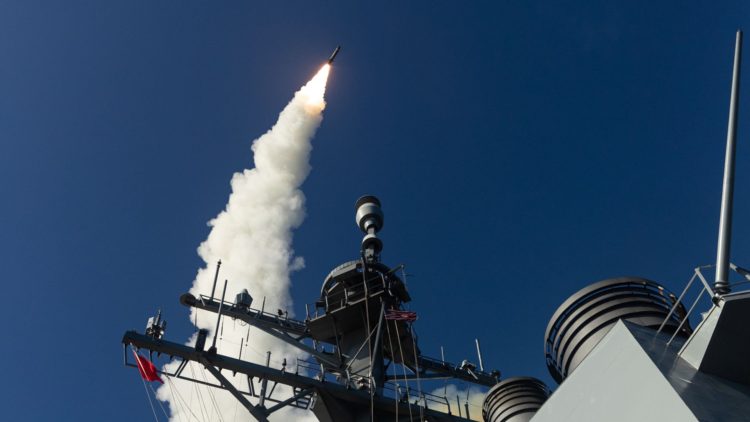
With a range of 1,200 kilometers (745 miles) and a flight ceiling of up to 1,050 kilometers (652 miles), the SM-3 Block IIA significantly expands the defensive reach of the Aegis system.
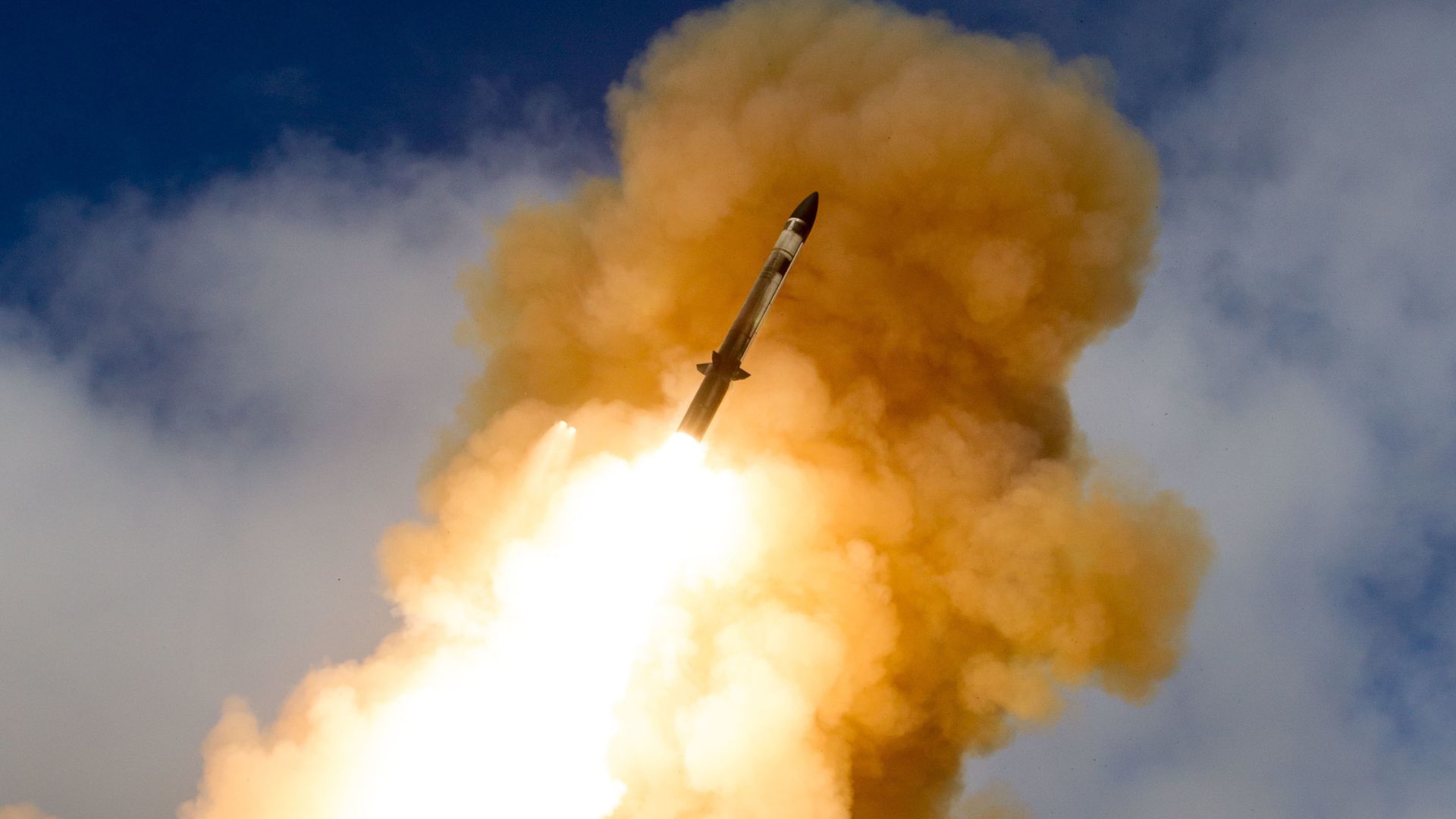
Full-Rate Production: What It Means
Entering full-rate production is a major step forward for any defense program, indicating that the SM-3 Block IIA has achieved design maturity and operational reliability.
For the MDA and JMoD, this milestone represents a validation of the missile’s readiness for large-scale deployment. It confirms that there are no elevated design or manufacturing risks, allowing for streamlined production and cost efficiencies.
“This milestone indicates that the team has achieved full maturity in the missile’s design which leads to greater efficiencies throughout the program.”
—Barbara Borgonovi, President of Naval Power at Raytheon
The $1.9 billion contract awarded to Raytheon in July 2024 will see these advanced interceptors produced for both US and Japanese defense forces, underscoring the growing global demand for robust missile defense systems amid ongoing conflicts in regions like Eastern Europe and the Middle East.
The operational debut of the SM-3 Block IIA in April, when it was used by the US Navy to intercept Iranian ballistic missiles targeting Israel, demonstrated its real-world effectiveness and contributed to the rising interest in the system.
The SM-3 Block IIA’s Path Forward
The full-rate production of the SM-3 Block IIA is not just about meeting current defense needs; it’s also about preparing for the evolving threats of tomorrow.
As missile technology advances, so too must defense systems.
The Block IIA’s capabilities ensure that the US, Japan, and their allies are better equipped to handle a wide range of ballistic missile threats, including those posed by adversaries with increasingly sophisticated missile technology.
The ongoing production work, to be carried out at Raytheon facilities in Tucson, Arizona, and Huntsville, Alabama, will continue until February 2031, cementing the SM-3 Block IIA as a cornerstone of missile defense strategy for years to come.
The partnership with Japan also strengthens defense ties between the two nations, setting a precedent for future cooperative development programs.
Connecting the Dots in Global Defense
As global tensions rise, the need for reliable missile defense has never been more urgent. With conflicts simmering in multiple regions, the SM-3 Block IIA’s development and deployment come at a critical time.
Its expanded capabilities offer a robust defense against emerging threats, providing a technological edge that may very well deter potential adversaries from launching missile attacks.
The shift to full-rate production is more than just a technical achievement; it’s a message to the world that missile defense systems are advancing to keep pace with modern threats.
For nations like the US and Japan, it offers a strategic advantage, ensuring that they remain at the forefront of global defense innovation.
As we look toward the future, the SM-3 Block IIA will play a vital role in protecting not just military assets but also civilian populations from the dangers posed by ballistic missile threats.
—
Disclaimer: SOFREP utilizes AI for image generation and article research. Occasionally, it’s like handing a chimpanzee the keys to your liquor cabinet. It’s not always perfect and if a mistake is made, we own up to it full stop. In a world where information comes at us in tidal waves, it is an important tool that helps us sift through the brass for live rounds.








COMMENTS