

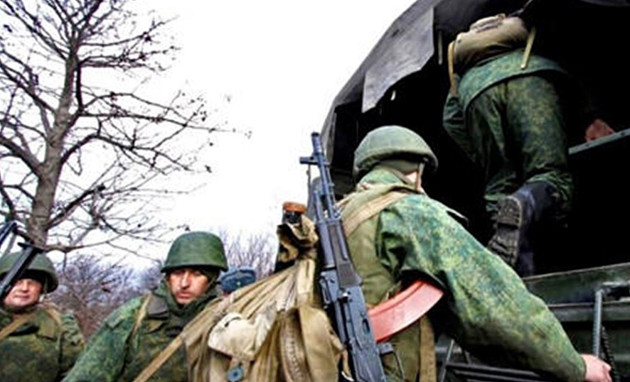
“Our reconnaissance is recording the abandonment of positions on Oleksiivskyi Island. This occurred as a result of active actions by Ukraine’s Defense Forces, and the low morale and psychological state of the (Russian) servicemen who had been holding those positions. We are striking them so that they approach the area less frequently.” — Vladyslav Voloshyn, spokesperson for Ukraine’s Southern Defense Forces.
On January 26, 2026, Ukraine’s Southern Defense Forces reported that Russian military units had partially withdrawn from Oleksiivskyi Island near Oleshky, Ukraine, in the Kherson region, along the Dnieper/Dnipro River. The riverside city previously had 24,000 Ukrainian residents, but it has been occupied by Russian Federation forces since March 2022, in a strategic location directly opposite the major Ukrainian city of Kherson, and has remained at the very front lines of battle since the Russian invasion began.
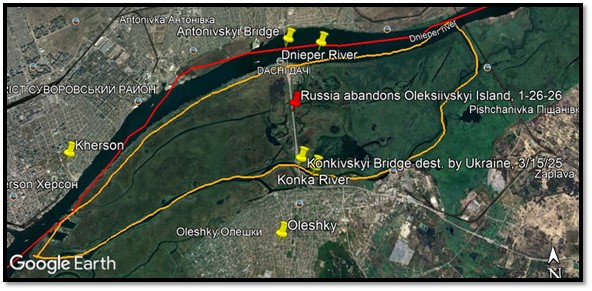
Over the past few days before this unusual withdrawal, Russian troops made an unsuccessful attempt to advance along the riverfront, attacked Ukrainian positions near the Antonivskyi road bridge over the Dnieper River, and conducted small-unit reconnaissance patrols along the river and its various channels, striking identified targets and settlements on the far side. However, they were unable to maintain their observation posts on the island due to an increased tempo of Ukrainian artillery and drone assaults.
Vladyslav Voloshyn, spokesperson for Ukraine’s Southern Defense Forces, remarked that, “On Oleksiivskyi Island, our intelligence records the abandonment of positions…The enemy cannot bring its observers there now…From the Kherson direction, the enemy is currently regrouping and withdrawing airborne assault units, redeploying them to the Orikhiv direction to maintain the tempo of assault operations.”
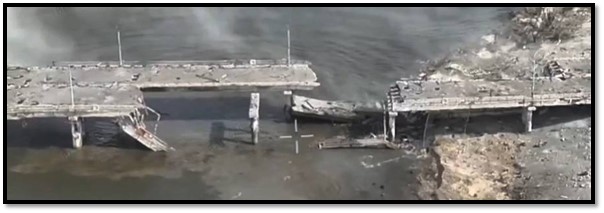
On March 15, 2025, Ukrainian forces destroyed the Konkivskyi bridge just north of Oleshky, limiting any Russian advances toward Antonivka on the Ukrainian side: “Today around midday, the bridge ceased to exist,” it was announced.
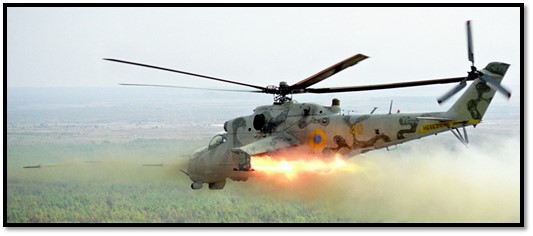
Positioned just eight miles west of the island is Kherson/Chornobaikva Air Base, housing the Ukrainian 11th Separate Army Aviation Regiment, flying two squadrons of Mi-8T Hip-C/Mi-8MTV-2 Hip-H transport helicopters, and Mi-24V/P Hind-E/F helicopter gunships.
Nearby, located just 10 miles east of Oleshky, is the remarkable, Oleshky Sands National Nature Park, the second-largest desert (after the Oltenian Sahara Desert in Romania), and greatest expanse of sand in all of in Europe, which is part of the overall, Oleshky Sands region, 622 square miles of sand dunes up to 16 feet high, with sparse vegetation in the form of man-made, pine and birch forests (only 12 percent of the landmass) to prevent the dunes from shifting in the wind.
Researchers are still uncertain regarding the original cause of the sand dunes, with one theory proposing that the land is a dried riverbed of the Dnieper River, and another theory suggesting that millions of sheep that were pastured here in the 18th and 19th centuries, leading to degradation of the soil, later sustained by wildfires (most recently in May 2018), sandstorms, and wind erosion.
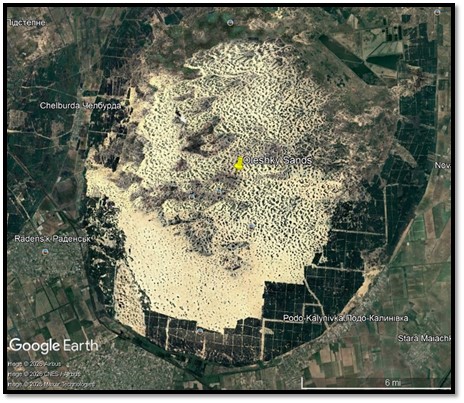
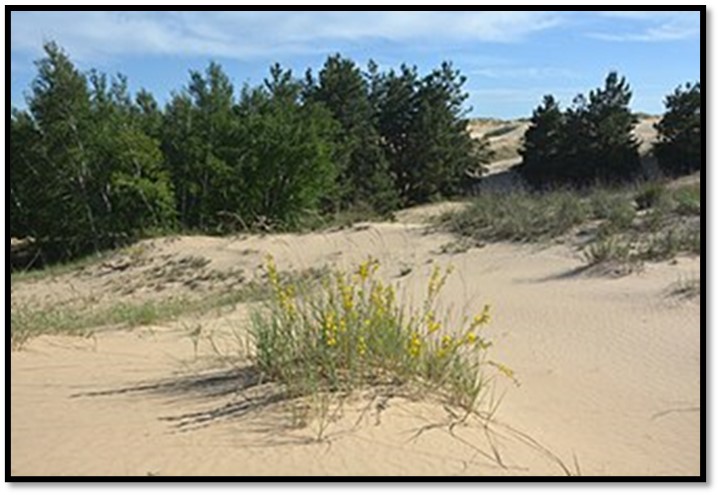
During the Soviet era, Oleshky Sands was used as a bombing and gunnery range by Warsaw Pact nations, so there is a possibility of accidentally discovering some unexploded ordinance, and visits to the park were officially prohibited, although thousands of residents arrived anyway. More recently, the Ukrainian armed forces had a military testing area nearby, and since the Russian invasion and occupation of February 2022, Russian forces have used Oleshky Sands as a staging and resupply area.
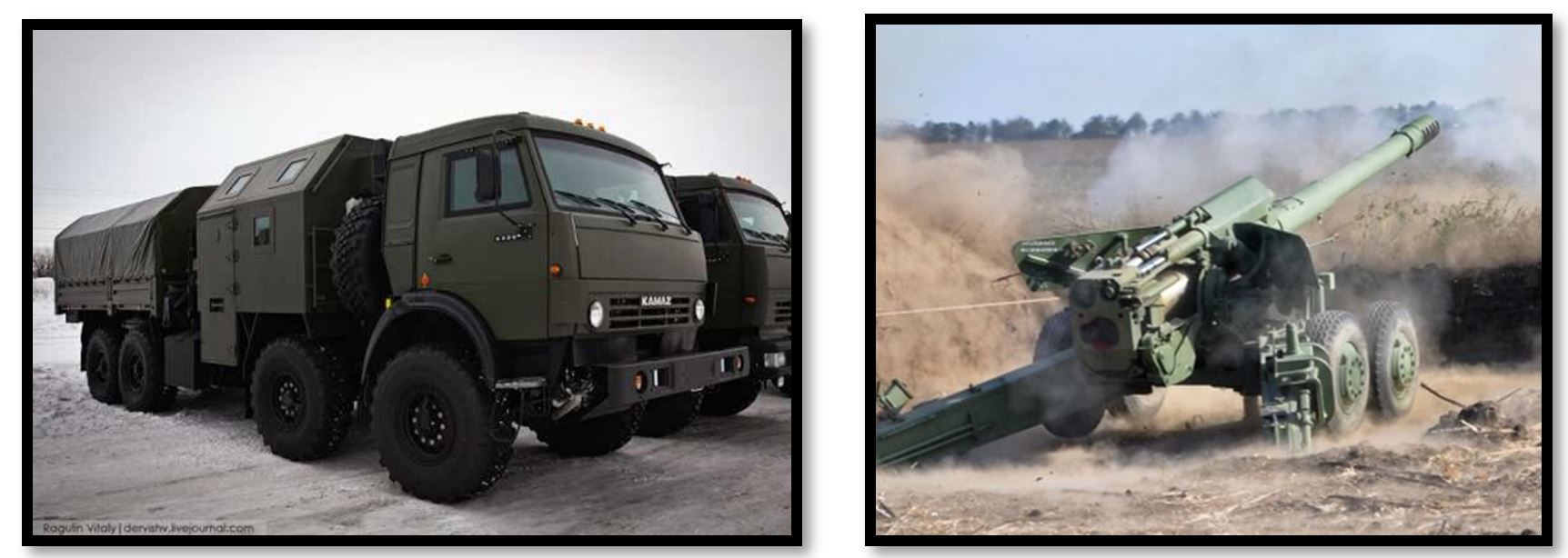
Ukrainian troops from the 406th Artillery Brigade successfully hit a Russian artillery position in the sandy region in 2023 with counterbattery fire, destroying a KamAZ-63501AT truck and a 2A36 Giatsint-B (“Hyacinth-B”) 152mm field howitzer, with a range of up to 25 miles, the longest range of any Russian field artillery in that caliber.
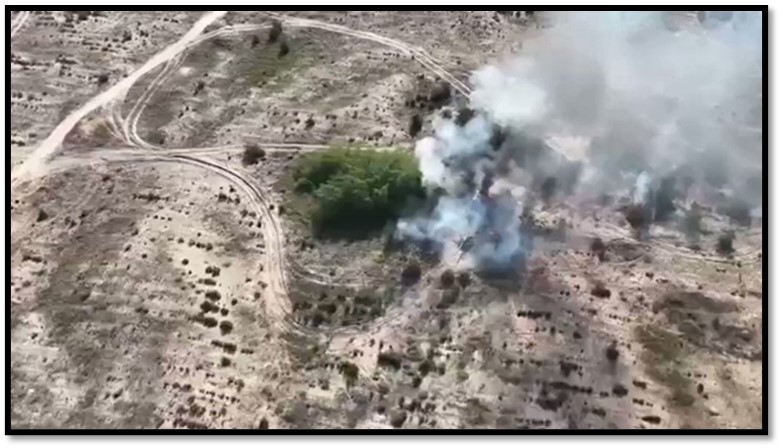
Later, Ukrainian Air Force aircraft destroyed a Russian special forces (810th Marine Brigade) command post near Oleshky Sands with aerial bombs, to disrupt Russian command and control capabilities near the front lines.
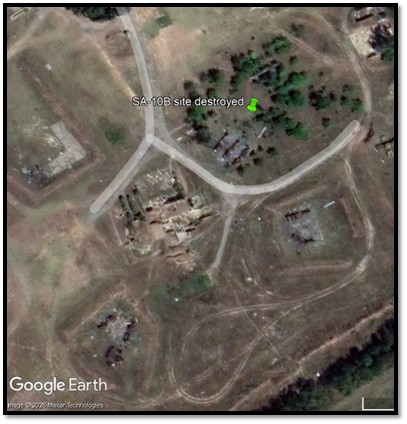
Finally, only 15 miles northeast of Oleshky Sands, and 2.5 miles from the Dnieper River, on the Russian-held side, is a former-Ukrainian SA-10B Grumble (S-300PS) surface-to-air missile battery, destroyed by advancing Russian forces in early 2022, and still clearly visible on satellite imagery.
Russian troop morale is so low, and exhaustion along the front lines of battle so severe, that a very recent Ukrainian Defense Intelligence report states that many Russians are now using drugs to cope with the stress and harsh conditions. For example, one radio intercept recorded a Russian soldier asking another, “Do you happen to have any hidden stash, like trimethyl fentanyl, phenadone, dolophine? To, you know, make these war days lighter, since it is all, psychologically, terrifying.”
The Ukrainian report concludes that, “It is obvious that the constant fire from Ukrainian Defense Forces, catastrophic losses, commanders’ arbitrariness, and total absence of prospects can only be ‘smoothed over’ through drug use. Propaganda alone no longer fulfills its purpose.”
British retired Colonel Hamish de Bretton Gordon adds that, “The Russian Armed Forces are in a state of profound decay. Reports now confirm that wounded convicts, many missing limbs, are being forced back to the front line to fill critical manpower gaps. Some have not even been provided prosthetics and are expected to return to combat on crutches. This is not resilience; it is desperation.
“After suffering well over 1.5 million casualties in Ukraine, Putin has been scraping the bottom of the barrel for manpower…the Russian Army is simply cannon fodder…This is attritional warfare at its most brutal.”
These are just a few of the highlights of the never-ending, Russo-Ukrainian war in the critical Kherson-Oleshky region, with opposing forces facing off across the broad Dnieper River, in a dynamic, back-and-forth flow of unpredictable advances and withdrawals, with the Russian pullout from Oleksiivskyi Island standing as the latest example after four long years of unrelenting warfare.








COMMENTS