
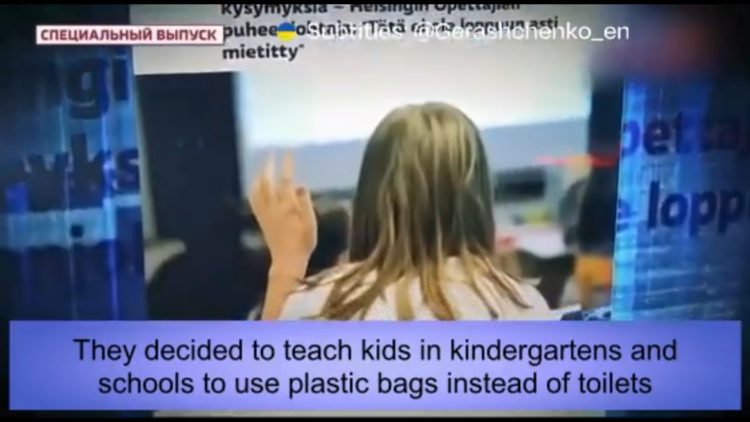
Russia’s Problematic Propaganda Media
Russian media outlets have resorted to extreme tactics to further bolster this narrative. However, international observers widely criticized their tactics, with some arguing that it was an attempt at manipulating public opinion by highlighting the economic devastation caused by war while simultaneously glorifying Russia’s capabilities.
Russian propaganda has also been heavily focused on demonizing Ukraine and its government officials, with numerous reports attempting to link them to fascism or Nazism. For instance, before the war, Russian media aired several segments which accused Ukrainian officials of allegedly “glorifying Nazi collaborators” and attempting “to rewrite history .”These types of narratives have been used as justification for the annexation of Crimea in 2014 and the ongoing conflict between Moscow-backed separatists and Kyiv forces in eastern Ukraine.
“This rhetoric is factually wrong, morally repugnant and deeply offensive,” scholars of genocide and Nazism from around the world said in an open letter after Putin invaded. While Ukraine has far-right groups, they said, “none of this justifies the Russian aggression and the gross mischaracterization of Ukraine.”
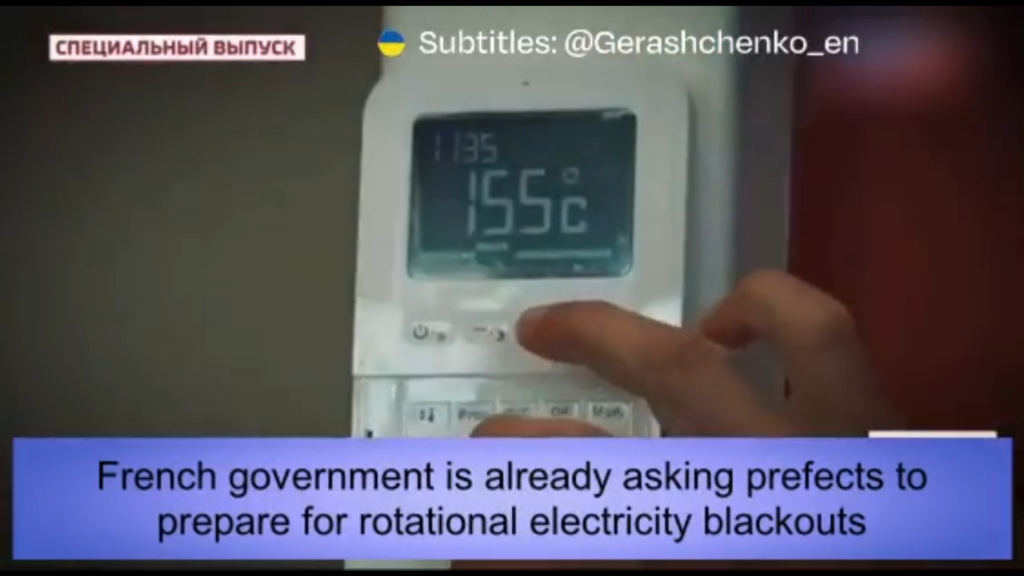
Furthermore, these outlets have consistently portrayed Ukraine as chaotic and unstable, ignoring any positive developments that might challenge their narrative about the country being torn apart by civil war and unrest. This type of reporting has shaped public perception across Europe as many people remain unaware of what is happening on the ground or even how much influence Russia has had in shaping events there since 2014.
Ultimately, Russian propaganda media outlets have proven extremely successful at influencing public opinion regarding the war in Ukraine, not only through their portrayal of events but also through their use of manipulative tactics such as exploiting poverty or painting Ukrainian officials as fascists or Nazis. It is thus essential for researchers, journalists, and policymakers alike to remain aware of how Russian media influence public sentiment across Europe so that they can counter misinformation effectively.
“President Putin and his disinformation and propaganda apparatus exploit the historical memory of the Soviet fight against Nazi Germany to fabricate a pretext for their unprovoked brutal war against Ukraine. To serve its predatory ends, the Kremlin is exploiting the suffering and sacrifice of all those who lived through World War II and survived the Holocaust. In the process, the Kremlin is detracting from critically important global efforts to combat antisemitism and is instead propagating one of antisemitism’s most insidious forms, Holocaust distortion. With antisemitism on the rise around the world, it is imperative for all to call out this particularly pernicious kind of Russian disinformation,” the US Department of State wrote.








COMMENTS