

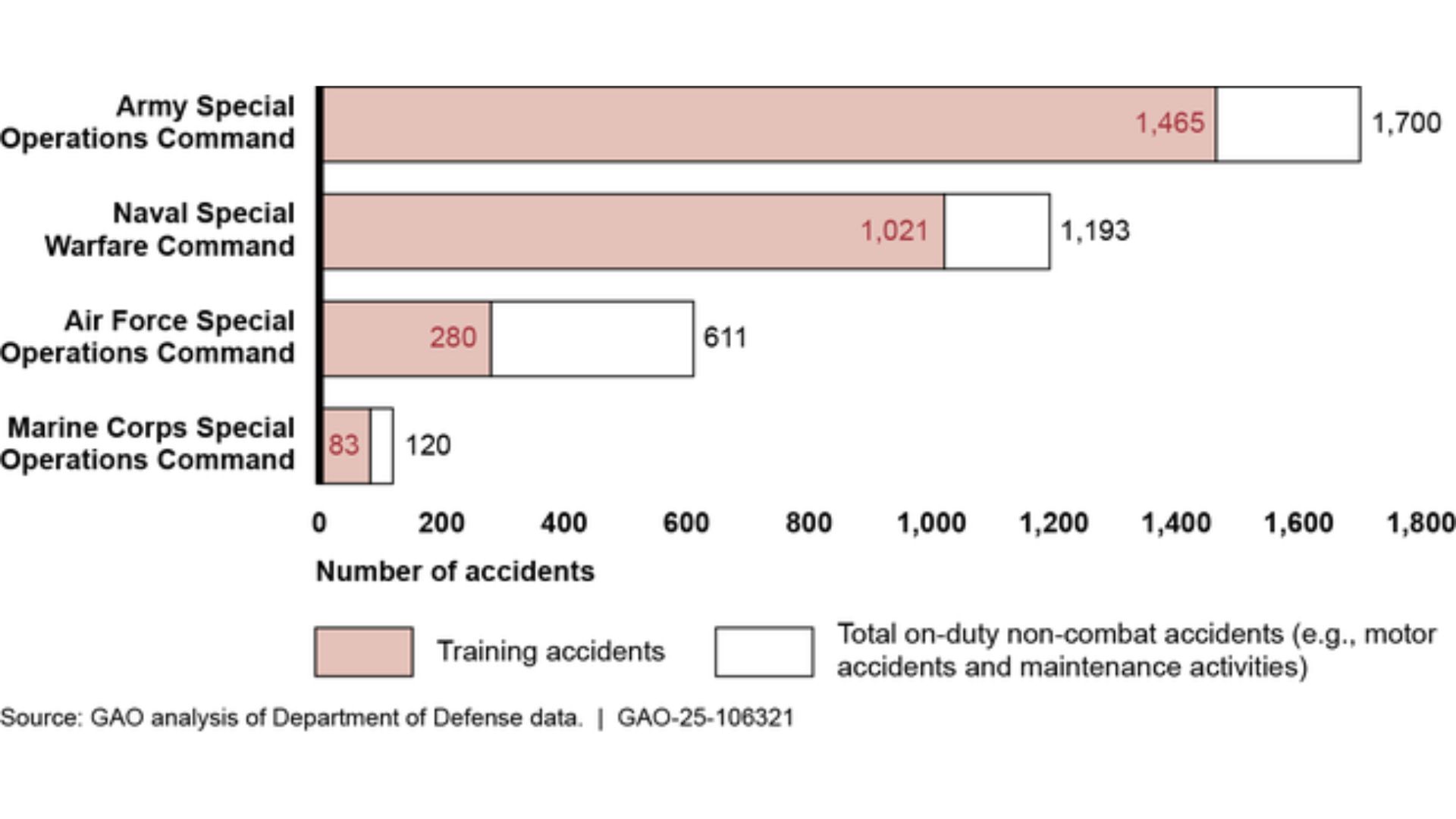
For starters, SOCOM hasn’t analyzed accident trends in these high-risk areas—or looked for other potentially dangerous activities that should be on their radar.
Without this data-driven approach, there’s a risk of missing safety issues before they escalate.
On top of that, SOCOM hasn’t fully implemented its oversight program across the board.
Expanding the program to cover all high-risk activities sounds good in theory, but the command hasn’t reevaluated whether it has the resources to make that happen.
Inconsistent Safety Standards
One of the report’s more eye-opening findings is the variation in how SOF service components—like the Army, Navy, Air Force, and Marine Corps—implement SOCOM’s safety requirements.
None of them fully addressed all seven oversight requirements for high-risk training, and none had clear timelines for when they would.
Without standardized policies and milestones, it’s hard to ensure everyone is on the same page when it comes to safety.
And for missions where trust and coordination are everything, that’s a problem.
Why It Matters
Let’s be clear: high-risk training isn’t optional for SOF personnel. It’s how they prepare for the extreme challenges they’ll face in the field.
But as the GAO points out, serious accidents during training raise questions about whether the risks are being managed as effectively as they could be.
The stakes couldn’t be higher. These are the nation’s top operators—people we rely on to carry out critical missions. Ensuring their safety during training isn’t just about protecting lives; it’s about preserving the capabilities of an entire force.
GAO Recommendation Moving Forward
Now, GAO didn’t just highlight these problems. It also provided a clear roadmap to address them. These six recommendations aim to improve safety oversight, standardize policies, and ensure that training risks are properly managed across all branches of SOF. Let’s break them down.
1 | Analyze Safety Data to Identify High-Risk Training Areas
SOCOM currently monitors seven designated high-risk training areas, but the GAO report highlights a critical oversight: accident trends haven’t been analyzed to identify potential risks in other areas.
Why It Matters: By analyzing comprehensive safety data, SOCOM can spot trends, flag emerging issues, and adapt its oversight to cover training programs that might not initially seem high-risk but could pose significant dangers over time.
2 | Reevaluate SOCOM’s Training Assessment Program
SOCOM has plans to expand its oversight program, but the GAO recommends reassessing whether the command has the resources and capacity to handle this expansion effectively.
Why It Matters: Without a realistic evaluation, expanding the program could stretch resources too thin, making it harder to ensure meaningful oversight and risking further safety issues.
3 | Establish Milestones for SOF Service Components
None of the four SOF service components (Army, Navy, Air Force, and Marine Corps) fully addressed SOCOM’s seven oversight requirements for high-risk training.
The GAO recommends setting specific milestones for each service component to meet these standards.
Why It Matters: Clear milestones create accountability and a timeline for progress, ensuring that all service components align with standardized safety practices and oversight requirements.
4 | Standardize Policies Across SOF Service Components
The GAO found significant variation in how each service component implements SOCOM’s safety requirements. It recommends creating a consistent approach to safety policies to ensure uniform standards across the board.
Why It Matters: Consistency is key to minimizing risks. A standardized approach ensures that every service component operates with the same high safety standards, regardless of branch or mission.
5 | Expand Risk Mitigation Beyond Designated High-Risk Areas
While SOCOM has identified seven high-risk training areas, the report emphasizes the need to assess and address risks in other training activities as well.
Why It Matters: Limiting oversight to pre-designated areas could leave gaps in safety protocols, especially in activities that evolve over time or pose new, unforeseen risks.
6 | Develop a Long-Term Strategy for Resources and Implementation
The GAO urges SOCOM to develop a sustainable strategy for allocating resources and ensuring the program’s long-term success.
Why It Matters: Modernizing and expanding oversight isn’t a one-time fix—it requires ongoing investment, planning, and adaptation to address the ever-changing landscape of SOF training risks.
The Department of Defense (DOD) has already agreed with these recommendations, which is a promising step. However, as with any large-scale initiative, the challenge will be turning plans into action.
Final Thoughts
The GAO report is a wake-up call for SOCOM and the broader defense community. While high-risk training will always come with dangers, there’s a responsibility to minimize those risks wherever possible.
Better oversight, standardized policies, and a commitment to analyzing data can go a long way in making sure SOF personnel get the preparation they need—without unnecessary accidents.
In the end, keeping our special operators safe isn’t just the right thing to do—it’s essential for ensuring they can continue to do their jobs. Let’s hope this report sparks the changes needed to make that happen.








COMMENTS