

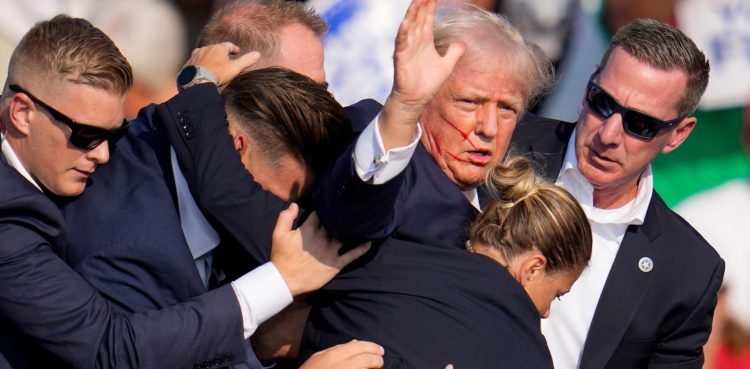
Meanwhile, some higher-ups who were arguably just as responsible have skated by untouched—one or two even managed to get promoted. The Secret Service, true to form, won’t release the names or assignments of those involved, leaving the public to guess who’s actually being held accountable.
Reforms Implemented to Prevent Future Incidents
In response to the Butler incident, the Secret Service has undertaken several reforms to enhance its protective capabilities:
- Technological Upgrades: The agency has acquired a new fleet of military-grade drones and mobile command centers to improve surveillance and coordination with local law enforcement.
- Enhanced Communication Protocols: Efforts have been made to establish clearer lines of communication between federal agents and local authorities, including mandatory recording of all radio transmissions and operational logs.
- Leadership Changes: Following the resignation of Director Kimberly Cheatle, Sean Curran, the head of Trump’s security detail, who demonstrated valor during the attack, was appointed as the new director of the Secret Service. His firsthand experience is expected to drive meaningful reforms within the agency.
- Training and Protocol Revisions: The agency is revising its training programs to better prepare agents for high-pressure situations and is implementing new protocols to ensure more effective threat assessment and response.
These measures aim to address the systemic shortcomings that were exposed during the Butler rally and to restore public confidence in the Secret Service’s ability to protect national leaders. Let’s hope they work, because faith in the ability of the Secret Servicce to protect the President hasn’t been this low since immediately following the JFK assassination.
Update on the Shooter
As the dust settled after the attempt on Trump’s life, the picture of Thomas Matthew Crooks got a lot darker—and a lot more calculated. This wasn’t some spur-of-the-moment act by a disaffected loner. The FBI found homemade bombs at his house and in his car, plus a remote transmitter in his pocket and a backpack, the contents of which the FBI is not disclosing.
The guy brought a drone and flew it near the rally site two hours before shots rang out, casing the joint in near real time. He used a Panther Arms rifle—legally bought by his dad—and fired from a rooftop like he’d studied a playbook. And maybe he had. A week before the attack, Crooks Googled “how far was Oswald away from Kennedy.” That same day, he registered for Trump’s rally.
For the record, Oswald was only 81 meters from Kennedy when he fired his fatal shot. Crooks was about 122 meters from Trump when he took his shots. A two-foot putt for a skilled shooter.
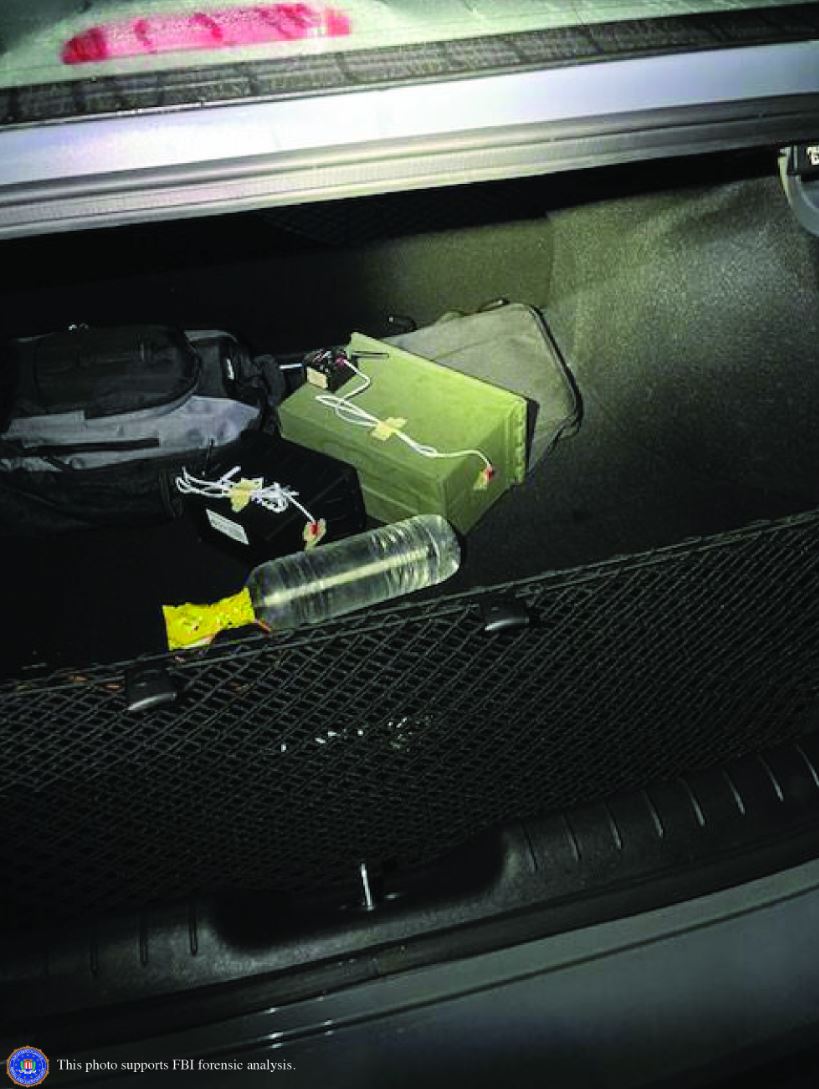
Looking at digital trail, it is equally disturbing. Forensics show he’d been scouring the internet for pictures of Trump, Biden, and other high-profile figures. He even searched for Trump rally dates and the Democratic National Convention. Back in April, he looked up information about major depressive disorder, suggesting some internal struggle—but nothing that clearly explains why he’d turn a political event into a war zone.
He was no dropout either. Crooks graduated from high school in 2022, finished an associate degree in engineering science by May 2024, and had plans to attend Robert Morris University. He worked as a dietary aide at a nursing home and was known as a quiet, brainy kid. Maybe a bit awkward, but nobody’s red flag.
What we don’t have is a motive. No manifesto. No ties to foreign terrorists. No official diagnosis of mental illness. No smoking gun in his social media feeds. He was a registered Republican, yet gave money to a Democratic group—go figure. As of now, the feds say he acted alone, and his family’s been fully cooperative. But if this was a one-man op, it was one hell of a methodical one. Crooks wasn’t simply disturbed—he was deliberate. And that should scare the hell out of anyone who thinks this was a fluke.
Wrapping Up
The fact that six agents botched their mission and still haven’t served their suspensions a year later tells you everything you need to know: the Secret Service needs a gut renovation, not simply a fresh coat of paint. If this agency can’t keep a former president safe at a campaign rally in small-town Pennsylvania, what confidence should the public have in its ability to secure more complex, high-risk environments?
Accountability shouldn’t stop at sidelining a few mid-level agents. With Sean Curran now at the helm, it’s time for the Secret Service to stop protecting its own image and start rebuilding its reputation as a world-class protection agency.
The next would-be assassin won’t wait for them to get their act together.








COMMENTS