

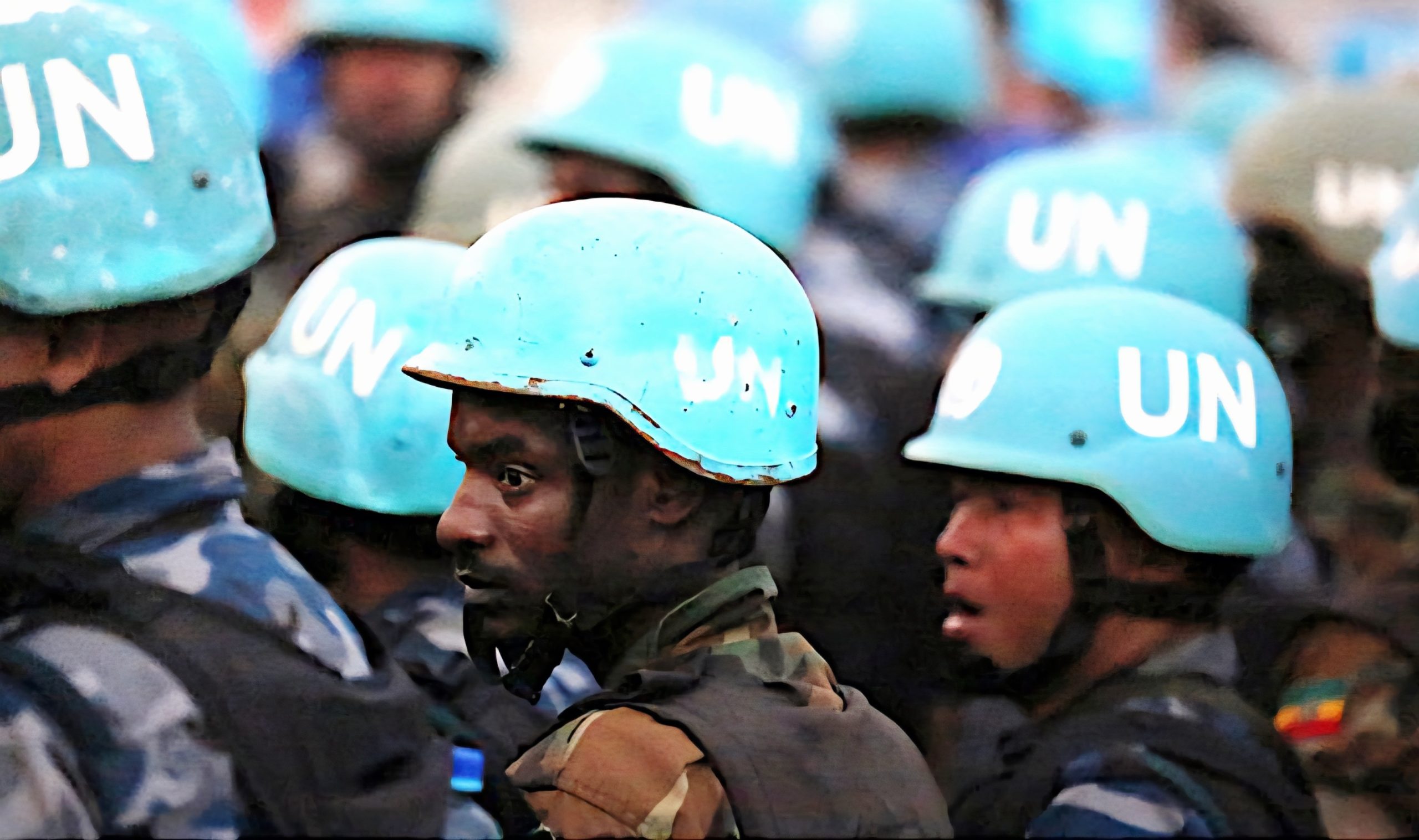
U.N. spokesman Stéphane Dujarric said the U.N. flag and emblem “no longer offers the protection that it should” in many conflict zones, as peacekeepers, humanitarian workers, and other staff face rising threats.
The deadliest incident occurred in Sudan’s South Kordofan region, where the U.N. said a drone struck a U.N. logistics base, killing six Bangladeshi peacekeepers and injuring nine others. The U.N. Security Council condemned the strike, calling it a violation of international law and urging accountability.
In South Sudan, the U.N. said Bol Roch Mayol, a South Sudanese national who had served as a language assistant with the U.N. Mission in South Sudan (UNMISS) since 2011, was abducted by soldiers and later found dead. U.N. officials said a UNMISS vehicle stopped near Wau after a flat tire when soldiers removed Mayol from the vehicle. South Sudanese authorities later arrested an army officer and two soldiers in connection with the killing, the U.N. said.
Separately, Yemen’s Houthi de facto authorities detained 10 more U.N. staff members, bringing the total number of U.N. personnel held in Yemen to 69, the U.N. said. Secretary-General António Guterres condemned the detentions and called for the immediate and unconditional release of those held.
Guterres also demanded that charges be dropped against three U.N. staff members referred to a Houthi special criminal court. The United Nations has rejected Houthi accusations that its employees were involved in espionage.
U.N. officials said the detentions are limiting the organization’s ability to deliver humanitarian assistance in Houthi-controlled areas, where millions rely on aid and life-saving services.
Dujarric said the week’s deaths and detentions, spanning multiple operating environments, underscore deteriorating security for peacekeepers and civilian staff working amid armed groups, contested territory and weak state control. He said the trend is forcing missions to reassess movement and protection while continuing to press for investigations and accountability.
US Seizes Second Venezuelan Oil Tanker as Maritime Blockade Intensifies
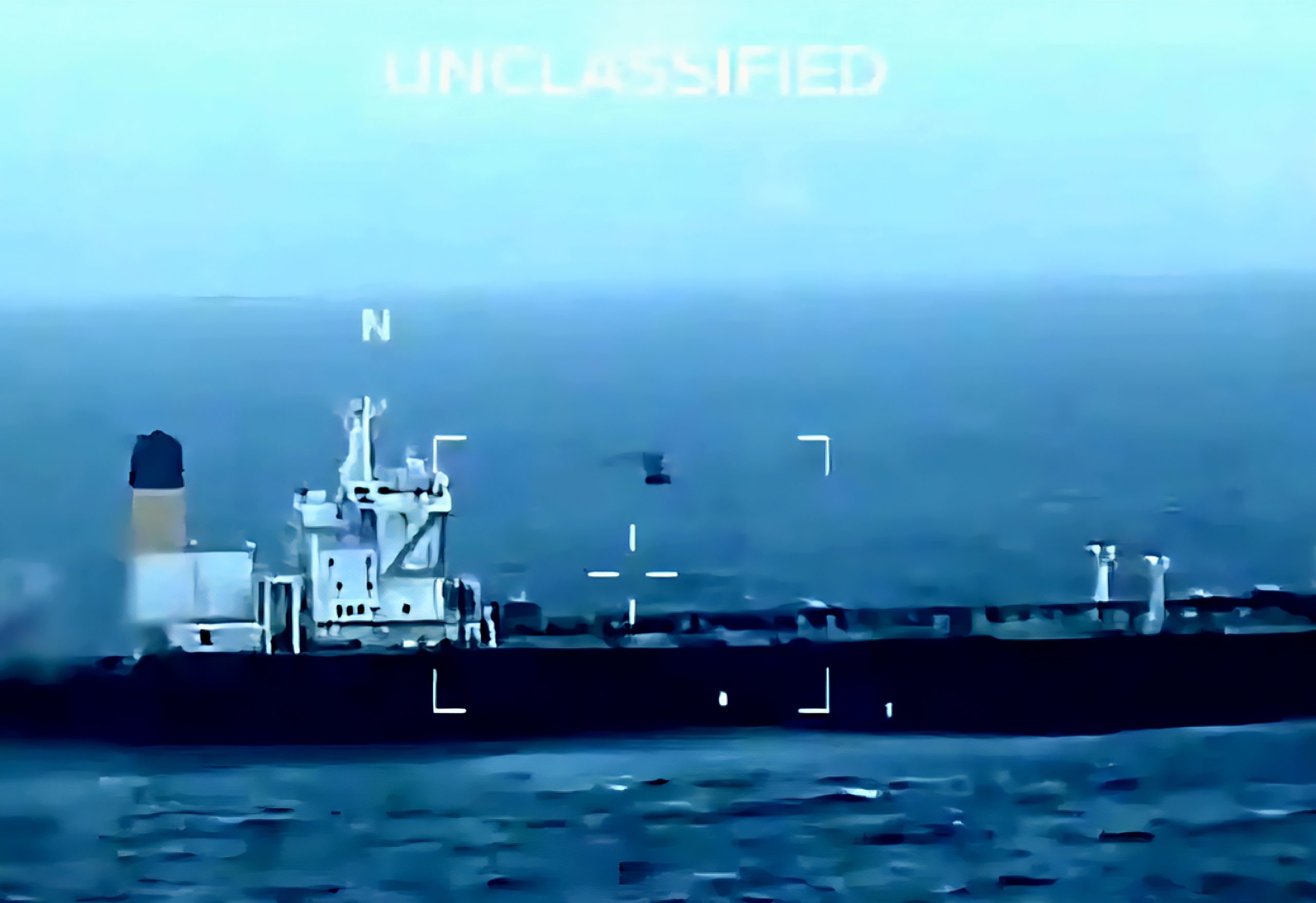
U.S. forces seized a second oil tanker linked to Venezuela in international waters on Friday, escalating maritime tensions near the country’s coast and marking the latest enforcement action under President Donald Trump’s newly announced blockade targeting sanctioned oil shipments.
According to U.S. officials, the operation involved a Coast Guard-led boarding of a Panamanian-flagged tanker carrying Venezuelan crude. The boarding was described as “consented,” and the vessel was diverted for further inspection and disposition. The seizure occurred near Venezuelan waters and comes just 10 days after a similar interdiction, signaling an accelerated tempo of maritime enforcement in the region.
The latest seizure follows an earlier operation on Dec. 10, when U.S. forces boarded the tanker Skipper, which was carrying more than one million barrels of Venezuelan heavy crude loaded at the Jose terminal. U.S. officials said the vessel was part of a sanctions evasion network tied to Iran and other foreign intermediaries. Venezuelan authorities condemned that action as an act of piracy and accused Washington of violating international law.
On Dec. 16, President Trump announced what he called a “total and complete blockade” of sanctioned oil tankers entering or leaving Venezuela. In public remarks, Trump said the order was aimed at cutting off revenue streams tied to drug trafficking, terrorism, and what he described as stolen U.S. assets. He also pointed to a broader maritime campaign that has included more than 20 U.S. counter-narcotics strikes since September, which officials say resulted in over 100 suspected traffickers killed during interdictions in the Caribbean and Pacific.
U.S. officials say the tanker seizures are part of a wider naval buildup in the region. Trump has described the deployment as the largest U.S. maritime presence in South America in recent history, involving Navy, Coast Guard, and joint task force assets operating under expanded authorities.
Analysts say the operations blur traditional lines between counter-narcotics enforcement, sanctions implementation, and direct pressure on Venezuelan President Nicolás Maduro’s inner network. The focus on oil shipments reflects the regime’s continued reliance on maritime routes to generate revenue amid economic collapse and international isolation.
Venezuela has warned that continued interdictions could provoke further confrontation, while U.S. officials have signaled that additional seizures are possible. With tanker traffic under increased scrutiny and naval forces operating closer to contested waters, the situation highlights the growing role of maritime interdiction in modern economic and security conflicts.
—
** Editor’s Note: Thinking about subscribing to SOFREP? You can support Veteran Journalism & do it now for only $1 for your first year. Pull the trigger on this amazing offer HERE. There is still time, but not much. – GDM








COMMENTS