

U.S. and China Strike New Trade Deal: Rare Earths, Tariff Cuts, and a Thaw in Tensions
President Trump and Commerce Secretary Howard Lutnick announced a fresh trade agreement with China this week, aimed at cooling tensions and easing pressure on American manufacturers. At the heart of the deal is a move to secure more reliable access to rare earth minerals—materials that are vital for everything from electric vehicles to advanced weapons systems.
China has agreed to fast-track approvals and exports of these rare earth elements and magnets, a big win for U.S. industries that rely heavily on these hard-to-source materials. Washington has long complained that Beijing uses these exports as leverage, and this agreement marks a shift—at least for now.
Tariffs are getting a haircut, too. Both countries agreed to lower their standard tariff rates to 10%, a welcome drop from the trade war highs that once soared to 145%. That said, the real-world impact is a bit more complicated. Due to overlapping duties—like those tied to fentanyl control and longstanding Section 301 penalties—the average tariff on Chinese goods coming into the U.S. still sits north of 30%.
Beijing will also suspend or eliminate a range of retaliatory tariffs it slapped on American exports since April. These measures had hit U.S. farmers and manufacturers hard, and their removal opens the door for some relief. As for opening up the Chinese market to more American goods, the two sides agreed to keep talking—though there’s no hard timeline or specific sectors named just yet.
The new measures will start rolling out by mid-July, with China’s commerce ministry already approving licenses for rare earth exports.
This deal doesn’t solve all the problems—technology transfers, intellectual property theft, and deeper market barriers are still sticking points—but it’s a notable de-escalation. For now, it gives U.S. companies a bit of breathing room and stabilizes a relationship that had been veering toward the economic equivalent of a fistfight.
Oh the TDS unhinged libs are going to lose their minds. Trump signed a trade deal with china. @POTUS is having an amazing week!!
— 🇺🇸 MAGA Michelle S 🇺🇸 (@MAGAMichelleS69) June 26, 2025
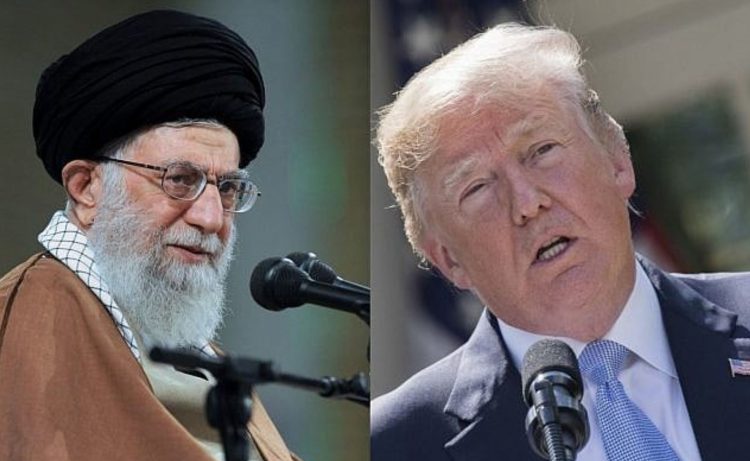
Senate Rejects Effort to Rein in Trump’s War Powers on Iran
The Senate has voted down a resolution that would have forced President Trump to get Congress’s permission before launching any new military strikes against Iran. The measure, led by Senator Tim Kaine of Virginia, failed in a 53–47 vote on Friday, with most Republicans lining up against it and most Democrats backing it. Only one Republican, Rand Paul, crossed the aisle to support it, while Democrat John Fetterman voted no.
Kaine’s proposal was built on the War Powers Act of 1973, and it came in direct response to Trump’s recent order to bomb three Iranian nuclear facilities—an action he took without notifying Congress. Kaine emphasized that the resolution wouldn’t tie the president’s hands when it came to self-defense or helping Israel, but he made it clear that decisions about war shouldn’t be made by one person acting alone.
Supporters of the resolution argued that Congress had been shut out of key decisions and warned against unchecked presidential power. Opponents fired back, saying the president needs the ability to move quickly, especially when nuclear threats are on the table.
With the resolution defeated, Trump keeps the authority to take further military action against Iran without needing to check in with Capitol Hill. Kaine, for his part, isn’t giving up—he said he’ll keep pushing to restore Congress’s role in authorizing military action. This vote lays bare the deep partisan divide over who should control the country’s war-making powers, especially with U.S.-Iran tensions still running high.
US Senate rejects war powers resolution meant to restrict Trump’s authority on military action against Iran.
John Fetterman (D) joined all Republicans voting no.
Rand Paul (R) joined all Democrats voting yes. pic.twitter.com/vDH14HKrSN
— Politics & Poll Tracker 📡 (@PollTracker2024) June 27, 2025








COMMENTS