

The attack was about more than simple damage—it disrupted everything. Air traffic, roadways, and rail lines around Ben Gurion Airport were all shut down temporarily. Flights were suspended for about an hour, and some international airlines canceled the day’s flights entirely. Though airport operations resumed quickly, the ripple effect caused delays and cancellations that lingered.
One of the most troubling aspects of this attack was the failure of Israel’s usually reliable missile defense systems. Despite deploying Iron Dome and even THAAD batteries, the missile got through. That’s now under investigation by the Israeli Air Force. Meanwhile, the Houthis claimed responsibility, with their spokesman warning that Ben Gurion is “no longer safe for air travel.” They’ve been blunt about their motivations: retaliation for Israel’s actions in Gaza and the humanitarian blockade.
This strike marked one of the few times a Houthi missile managed to slip past Israeli defenses and hit such a high-profile target. Since mid-March, the Houthis have launched at least 27 ballistic missiles and numerous drones toward Israel. Most were intercepted or missed their mark, but this one hit home.
The political fallout is already brewing. Israel’s Defense Minister, Israel Katz, issued a stark warning: “Whoever harms us, we will strike them sevenfold.” But there’s division inside Israel’s leadership. Some want to strike directly at Houthi positions in Yemen, while others believe the blame—and retaliation—should be aimed at Iran for enabling these attacks.
This incident also puts pressure on ongoing U.S. and U.K. efforts to weaken the Houthis’ missile and drone capabilities through airstrikes in Yemen. Footage from the scene—showing plumes of smoke and debris near Israel’s busiest airport—spread fast online, underscoring just how dangerous this moment was.
Bottom line: The Houthis just showed they can reach deep into Israel and hit where it hurts. Israel’s air defense, usually a point of pride, has a glaring vulnerability. And this one attack could push an already volatile region one step closer to a wider conflict.
Elon Musk’s Starbase Set to Become an Official City After Overwhelming Vote
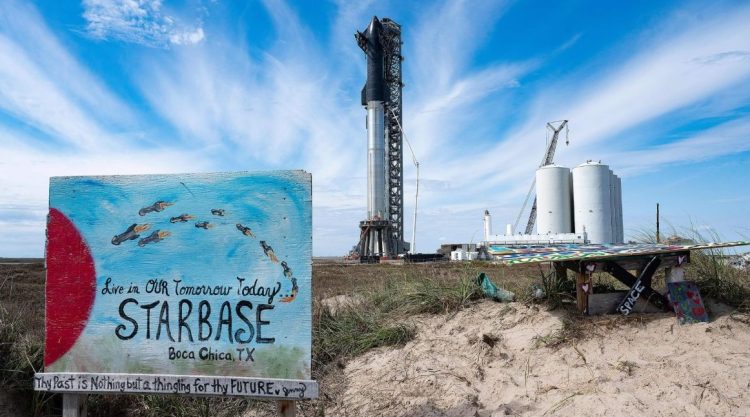
Elon Musk’s plan to turn SpaceX’s Starbase facility in South Texas into its own city is now all but official. On May 3, 2025, residents living within the proposed city limits—most of them SpaceX employees—voted overwhelmingly to approve the incorporation of Starbase as a municipality. The final tally? 212 votes in favor, just 6 against. That result easily cleared the 143 votes needed to pass the measure.
Starbase covers about 1.5 square miles at the southern tip of Texas near the Mexican border. It’s home to SpaceX’s key launch and manufacturing operations for its massive Starship rockets. These rockets are central to high-profile contracts with NASA and the Pentagon, supporting missions aimed at getting us to the Moon, Mars, and beyond.
Out of 283 eligible voters, almost all are tied to SpaceX, and the ballot included not just the incorporation vote but the election of the city’s first leaders. Unsurprisingly, every candidate—current or former SpaceX employees—ran unopposed. Once the results are certified by county officials and a judge signs off, Starbase will officially join the list of Texas cities right up there with Austin and China Grove.
This move turns Starbase into what amounts to a modern-day company town, complete with a huge bust of their spiritual leader, Elon Musk.

With city status, SpaceX and Musk will have considerable influence over local governance. That means fewer bureaucratic hurdles for rocket launches, construction projects, and possibly even the power to close public beaches during launches without needing county approval.
The local economic impact is expected to grow, and backers of the plan say the new city will help cement the area as a space industry powerhouse. But critics are raising red flags, arguing that giving a private company this kind of authority could reduce public oversight and increase the risk of environmental damage. Others worry about how much control one man—Musk—will now have over a functioning city.
Still, being an official city means Starbase will have to follow Texas transparency laws, including open meetings and public records requirements. That could offer the public more insight into SpaceX operations, something that’s been lacking up to now.
Bottom line: Elon Musk just got the green light to build his own city around his space program. It’s a bold step that gives SpaceX a huge advantage in running its operations with fewer outside roadblocks. And it sets a new precedent in the U.S.—a private company turning its headquarters into a city, with its own government, its own rules, and its own vision for the future.








COMMENTS