

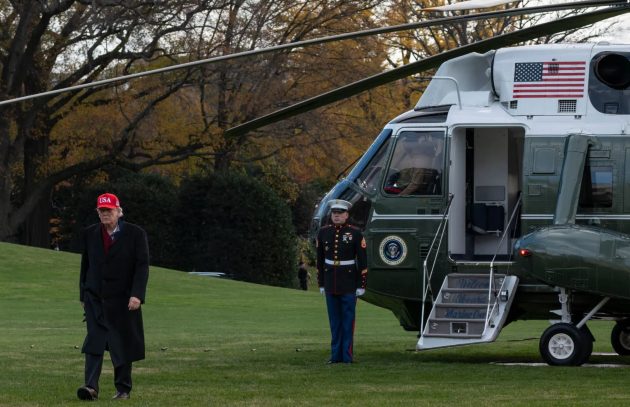
On Truth Social, Trump wrote in all caps that “UKRAINE ‘LEADERSHIP’ HAS EXPRESSED ZERO GRATITUDE FOR OUR EFFORTS, AND EUROPE CONTINUES TO BUY OIL FROM RUSSIA.” It is the latest in a series of shots he has taken at President Volodymyr Zelensky and his government since returning to office, framing Ukraine as ungrateful and Europe as freeloading off US security guarantees while still feeding Moscow’s energy revenues.
The timing was no accident. In Geneva, US, Ukrainian, and European officials gathered around a 28-point peace proposal that reads like a checklist of Moscow’s strategic demands. The plan would require Ukraine to give up some of the territory it fought to win back, cap its own military strength, and shelve its NATO ambitions. Ukrainian leaders have described it as one of the hardest moments since Russia’s full-scale invasion, saying that signing on would feel like trading away the country’s dignity for a fragile pause in the fighting.
Trump, for his part, went back to a familiar line, claiming the war never would have happened if he had stayed in office and if there had been what he calls “strong and proper” leadership in both Washington and Kyiv. He continues to cast the conflict as avoidable and pins blame squarely on Joe Biden, using Ukraine policy as a live-fire talking point in his running political battle with the current administration.
Kyiv is walking a tightrope. Despite Trump’s broadside, Zelensky publicly thanked the former president for US security support, an attempt to keep channels open with a Washington that is divided over how long and how far to back Ukraine. His team has signaled it will keep working with American counterparts on the details of the Geneva plan even as they bristle at its terms.
Across the table, key European allies like Britain, France, and Germany are wary. They worry that a deal on these terms would hollow out Ukraine’s sovereignty and leave it exposed to the next round of pressure from Moscow. For now, Trump’s narrative of Ukrainian ingratitude clashes directly with Kyiv’s repeated public thanks and the harsh reality that the price for peace being floated in Geneva looks a lot like retreat.
Trump is back to the “Ukrainian leadership is ungrateful with us” speech, this is the 4th time this year, he’s trying to increase the pressure on Ukrainians to make them accept the peace plan (it will work wonderfully). pic.twitter.com/kdpmt69IWf
— Eternal Glory (@EternalGlory0) November 23, 2025
HMS Severn Shadows Russian Warships As Channel Tensions Climb
Two Russian ships tried to slip through the English Channel, but the Royal Navy was waiting. Over the past two weeks, the River class offshore patrol vessel HMS Severn intercepted and shadowed the Russian corvette RFN Stoikiy and the tanker Yelnya as they pushed west through the Dover Strait and into one of the most tightly watched stretches of water on the planet.
The mission was textbook presence and deterrence. Severn stayed close while the pair moved down the Channel, reporting their movements, checking behavior against expected patterns, and making sure there were no surprises. Off Brittany, a NATO ally took over the close escort, but Severn did not simply peel away. She remained in the wider area, ready to move back in if the Russians tried anything clever.
This was not an isolated blip. The UK Ministry of Defence says Russian naval activity around British waters has jumped about 30 percent in the last two years, a trend line that points in one direction: more contact, more friction, and more chances for something to go wrong. A lot of that traffic is not innocent passage. Moscow has been pushing intelligence collectors and dual use ships around critical sea lanes and undersea infrastructure, looking for weak seams in NATO’s defenses.
One of the clearest examples is the Russian spy ship Yantar. Recently, RAF crews monitoring Yantar off Scotland reported that the vessel used lasers against their aircraft, an act London slammed as reckless and dangerous. You do not aim lasers at aircrews by accident. That is a message, and not a subtle one.
London’s response is to widen the surveillance net. Alongside ships like Severn on home waters, the UK has pushed three RAF P 8 Poseidon maritime patrol aircraft to Iceland to help NATO watch Russian ships and submarines moving through the North Atlantic and into the Arctic. The intent is clear: from the English Channel to the High North, the alliance wants eyes on hull numbers and hull habits, every day.
For the Royal Navy, this kind of escort and shadow work is not a photo op. Patrol vessels like Severn may not carry big missiles, but they buy time, information, and political breathing room. Every time a Russian warship passes under a Royal Navy bridge wing instead of cruising unobserved, the message is the same. The Channel is watched, the approaches are guarded, and if Moscow wants to probe, someone in grey paint will be there to meet them.
BREAKING:
The Royal Navy has intercepted 2 Russian warships in the English Channel.
HMS Severn headed off the RFN Stoikiy, a corvette and Yelnya, a tanker, as they sailed west through the Dover Strait into the English Channel in the past fortnight pic.twitter.com/A75s5zRIkn
— Visegrád 24 (@visegrad24) November 23, 2025








COMMENTS