

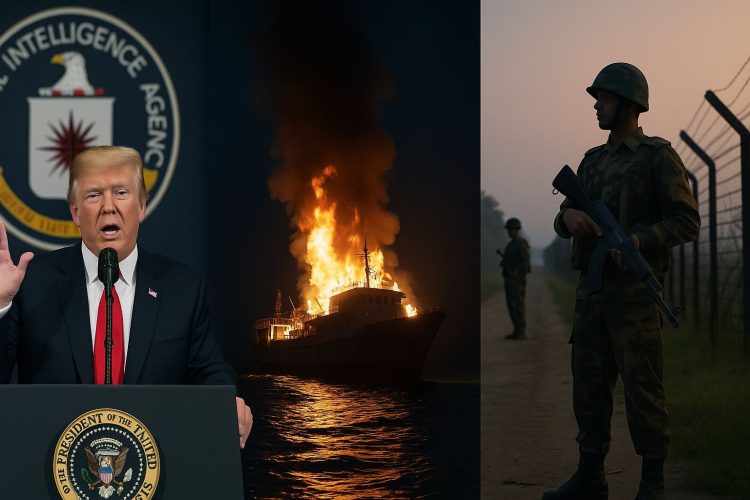
Drone Strike Hits Gaza-Bound Aid Ship in International Waters
A humanitarian aid ship bound for Gaza was struck by armed drones in the early hours of Friday, May 2, in international waters off the coast of Malta. The vessel, named Conscience, was part of an initiative organized by the Freedom Flotilla Coalition and was carrying activists and supplies intended to challenge Israel’s ongoing blockade of the Gaza Strip.
According to the group, the ship was hit twice shortly after midnight. The drone strikes ignited a fire and left visible damage to the hull. Video shared by the coalition showed flames licking the deck and thick smoke billowing into the night. In response, the vessel issued an SOS distress call. Maltese authorities confirmed the incident and said that all 16 people onboard—12 crew members and four civilian passengers—were unharmed. The fire was eventually extinguished.
While the Freedom Flotilla Coalition was quick to point the finger at Israel, no hard evidence has been presented. The Israeli military has made no comment, and Maltese officials have not assigned blame. It’s worth noting, however, that the Israeli government has maintained a firm stance on enforcing its blockade of Gaza, a policy that has drawn increasing international scrutiny, especially since it tightened restrictions further two months ago, effectively halting humanitarian deliveries.
The Conscience was the latest in a series of attempts to break that blockade. This incident bears uncomfortable resemblance to the 2010 raid on the Mavi Marmara, where Israeli forces boarded a similar flotilla, resulting in the deaths of ten activists. While no lives were lost this time, the use of drone strikes—if confirmed—marks an escalation in tactics against such missions.
The attack took place in international waters, well outside of Israeli jurisdiction, which raises serious legal questions and could prompt diplomatic fallout if responsibility is eventually assigned. For now, the Conscience remains damaged but afloat, and the political ramifications of this latest flashpoint are just beginning to unfold.
India and Pakistan Face Ongoing Tensions
Tensions between India and Pakistan have taken a serious turn for the worse after a militant attack in Indian-administered Kashmir left 26 Hindu tourists dead. The attack happened on April 22 in the popular Pahalgam resort area. India was quick to blame Pakistan for supporting the militants responsible. Pakistan flatly denied the accusation and instead called for a neutral investigation. That did little to cool things down.
Since the attack, both countries have been in a downward spiral. Diplomats have been expelled, visas revoked, and the only land border crossing between the two has been closed. India went a step further and suspended the Indus Waters Treaty—a key agreement on shared rivers that’s been in place since 1960. They’ve even restricted each other’s airspace. These aren’t small gestures. They’re warning shots.
The military situation is heating up as well. There have been nightly exchanges of fire along the Line of Control, with both sides pointing fingers over ceasefire violations. Pakistan has beefed up its forces on the border, while India has reportedly given its military leaders the green light to choose the time and method of any response. In other words, things could pop off at any moment.
On top of that, the rhetoric is turning ugly. Pakistan’s defense minister claims an Indian strike is “imminent,” and Indian officials are strongly hinting that payback is coming. Neither side is backing down, and both governments are under heavy domestic pressure—India to hit back hard, and Pakistan to stand firm.
The international response has been cautious. The U.S. and other global powers have called for calm, but they haven’t played much of a role in trying to mediate the crisis. This is shaping up to be the most serious standoff since the 2019 Pulwama incident, and with the breakdown of critical agreements and communication channels, the risk of miscalculation is sky-high.
Both countries are armed to the teeth and sitting on nuclear stockpiles. That’s not something the world can afford to ignore. The situation is unstable, the stakes are massive, and unless cooler heads prevail soon, this could turn into something much worse.
🚨INDIA-PAKISTAN TENSIONS FLARE: LoC firing erupts in Kupwara, Uri, and Akhnoor as India hunts Pahalgam attackers. 1,500 detained in Kashmir, homes razed, while U.S. urges calm but won’t mediate. Airspace bans deepen the rift—nuclear war fears mount! #IndiaPakistanCrisis… pic.twitter.com/OWIs70beoG
— X International News (@XIntlNews) May 1, 2025








COMMENTS