In Darfur — where al-Fashir’s fall has tightened the RSF’s chokehold — women are being hunted, starved, and silenced as systematic rape and engineered famine are wielded as weapons while the world looks away.
Read the full article for more on:
Important insights and detailed analysis
Expert commentary on current events
Breaking developments and updates
Updating summary...
Sudan: Women Bear the Brunt as Darfur’s Crisis Reaches Breaking Point
Galen Fries
Speed
1x
Listen
COMMENTS
In Darfur — where al-Fashir’s fall has tightened the RSF’s chokehold — women are being hunted, starved, and silenced as systematic rape and engineered famine are wielded as weapons while the world looks away.
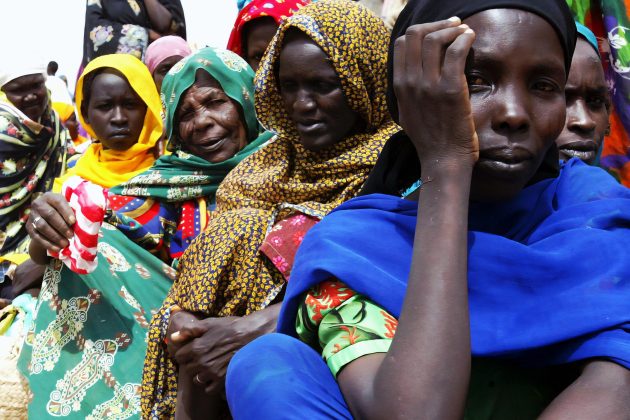
Displaced women wait in a line for food to be distributed by World Vision in the Seraif camp in southern Darfur. Image Credit: Reuters
BLUF (Bottom Line Up Front): In Darfur, women are being hunted, starved, and silenced as Sudan’s civil war descends into a campaign of systematic rape and famine. With al-Fashir under RSF control, survival itself has become a daily act of defiance.
Advertisement
In Sudan’s North Darfur region, women are facing unimaginable conditions following the Rapid Support Forces (RSF) takeover of al-Fashir on October 26. The city’s fall tightened the RSF’s control across Darfur, plunging civilians – particularly women and girls – into a spiral of violence, hunger, and sexual assault that U.N. officials describe as systematic and deliberate.
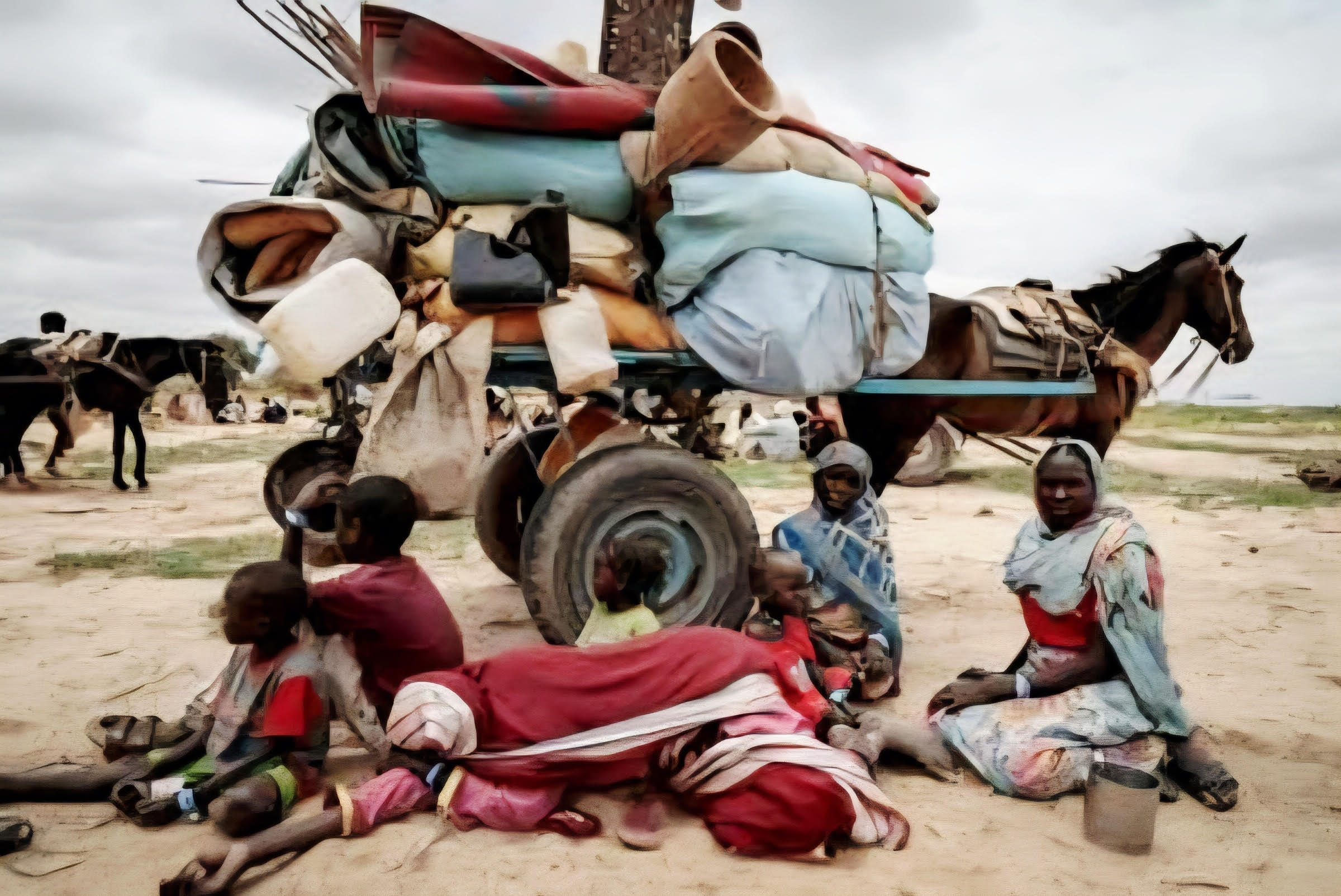
A Sudanese family who fled the conflict in Sudan’s Darfur region. Image Credit: inkl
Systematic Sexual Violence
Reports from women who escaped al-Fashir describe gang rapes, abductions, and disappearances of children during and after the RSF’s assault. Survivors recount being targeted in their homes, in the streets, and even while fleeing.
Anna Mutavati, U.N. Women’s Regional Director for East and Southern Africa, says there is “mounting evidence that rape is being deliberately and systematically used as a weapon of war.” The accounts echo patterns seen in previous Darfur conflicts – sexual violence used not only to terrorize, but to permanently fracture communities.
Advertisement
With law enforcement and humanitarian presence erased, women are effectively unprotected, facing the dual threat of armed men and starvation. Some are being forced into “marriages” with fighters to survive, while others are assaulted as they attempt to find food or water.
Starvation as a Second Weapon
The humanitarian collapse compounds the terror.
Advertisement
Darfur’s food systems have completely broken down, leaving 11 million women and girls in famine conditions.
In Al-Fashir and surrounding towns, survivors describe boiling wild leaves and unripe berries just to stay alive. Every trip to gather food or water means venturing into areas controlled by militias or bandits – a risk that has already claimed countless lives.
For many, starvation and sexual violence are now inseparable weapons of war. Aid agencies report that women are targeted along known foraging routes, and that looted aid convoys have left entire camps without grain or medical supplies.
Trapped and Forgotten
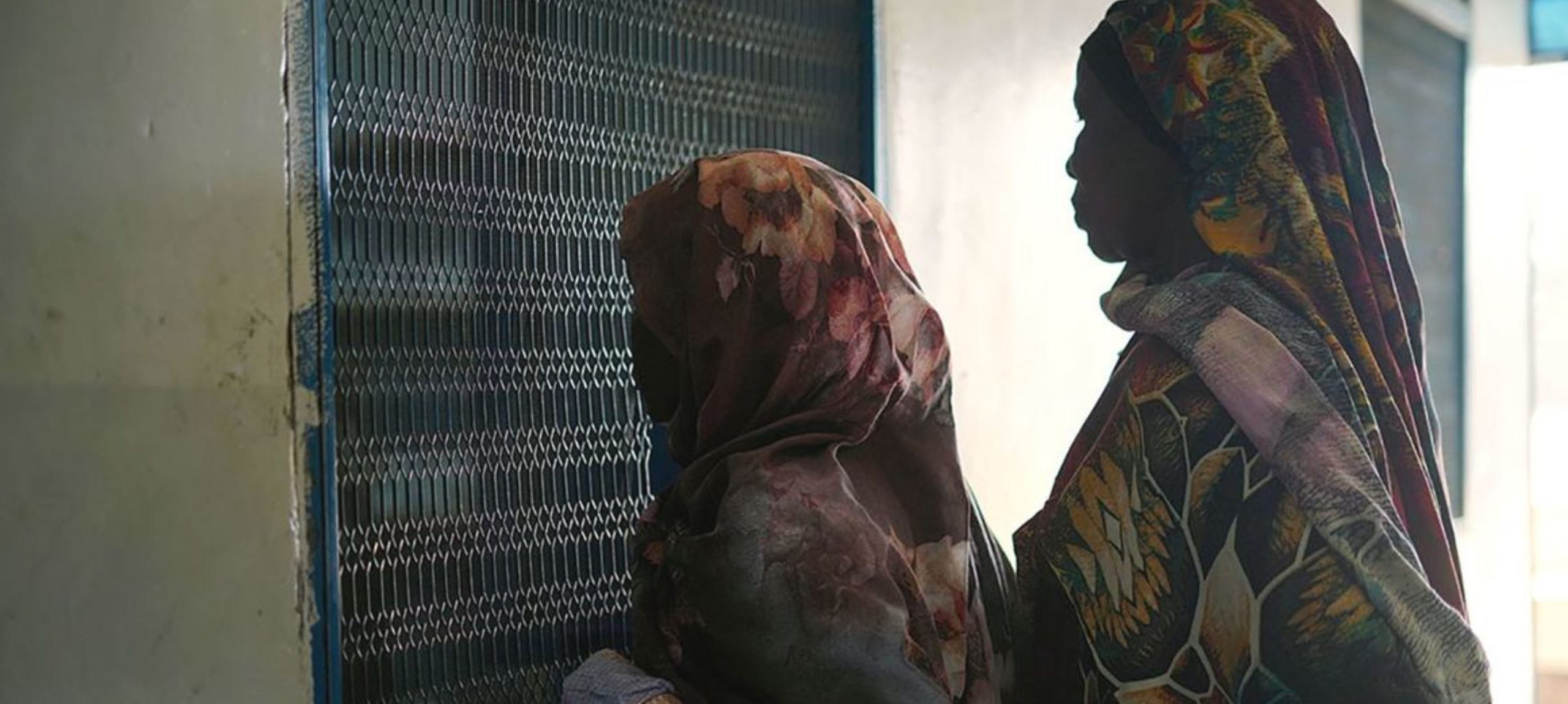
Sudanese women impacted by war. Image Credit: UNICEF / Mohamed Zakaria
Since the RSF takeover of al-Fashir, 82,000 people have managed to flee the city. Another 200,000 remain trapped, unable to move through checkpoints.
Al-Fashir once held a population slightly larger than San Francisco – about 900,000 people.
Since 2023, an estimated 700,000 have been displaced – roughly the size of Seattle, Washington.
Another 82,000 fled last month alone – more than the population of Missoula, Montana.
And now, an estimated 200,000 civilians remain trapped – about the population of Columbus, Georgia – all enduring starvation, rape, and murder.
Do those numbers make this crisis hit home?
The U.N. Human Rights Chief warns of “ethnically motivated violence” continuing inside al-Fashir, including summary executions and the targeting of women from specific communities.
Calls for Urgent Action
The U.N. Secretary-General has urged an immediate surge in humanitarian access and international pressure to stop the violence. But with both warring factions obstructing aid and no secure routes into Darfur, agencies describe it as a “blackout zone” for relief operations.
As one aid official put it, “Women are starving, assaulted, and silenced – and the world still hasn’t looked long enough to see them.”
Advertisement
What readers are saying
Generating a quick summary of the conversation...
This summary is AI-generated. AI can make mistakes and this summary is not a replacement for reading the comments.









COMMENTS